
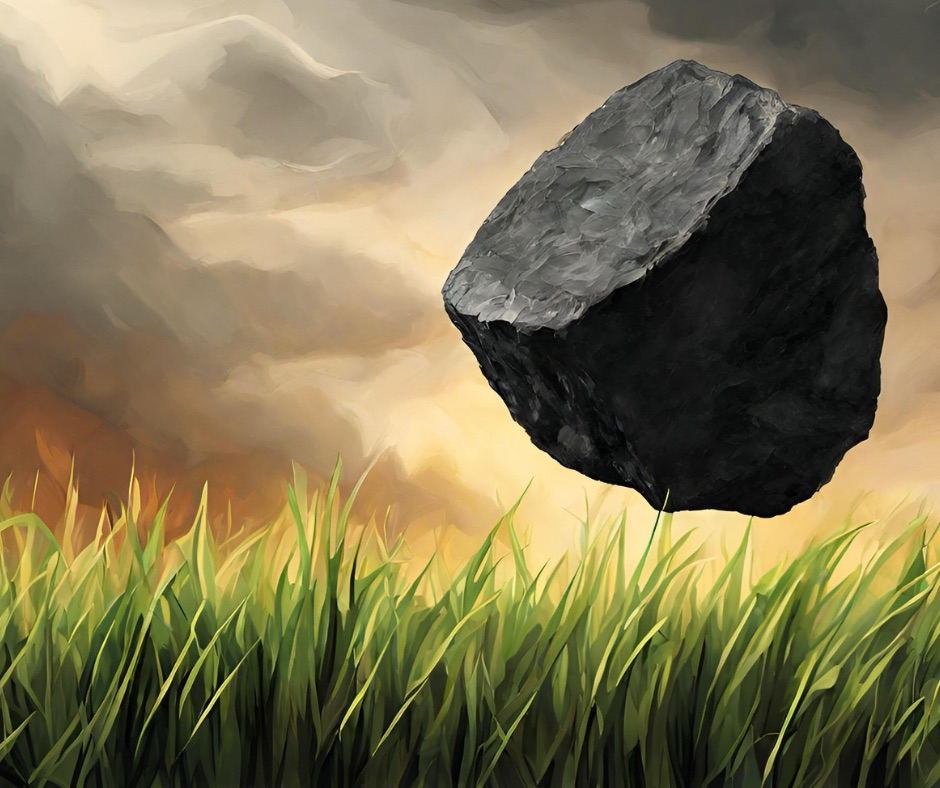

Soil contamination with heavy metals like cadmium, chromium, and lead poses a serious threat to human health and environmental well-being. This study explores a promising solution: using biocharBiochar is a carbon-rich material created from biomass decomposition in low-oxygen conditions. It has important applications in environmental remediation, soil improvement, agriculture, carbon sequestration, energy storage, and sustainable materials, promoting efficiency and reducing waste in various contexts while addressing climate change challenges. More and a plant champion, ryegrass (Lolium perenne), to remediate polluted soils.
The researchers tested four types of biochar, derived from coffee husks and sugarcane leaves, with and without phosphorus (P) enrichment. Ryegrass seedlings were then planted in the contaminated soil, treated with the different biochar amendments. Over 45 days, the team monitored changes in plant growth, soil properties, and heavy metal levels.
The results were impressive. Biochar, especially when loaded with P, significantly boosted ryegrass growth and improved soil quality. This led to a remarkable 11.6% increase in heavy metal retention within the plant, effectively reducing their availability in the soil. Lead (Pb) showed the highest immobilization, while cadmium (Cd) exhibited lower uptake.
These findings highlight the effectiveness of biochar-assisted phytoremediation as a sustainable and cost-effective approach to tackling heavy metal contamination. Biochar’s porous structure and P enrichment enhance soil fertility and promote plant growth, while simultaneously immobilizing harmful metals. This creates a healthier environment for plants to thrive and reduces the risk of these metals entering the food chain.
This study paves the way for further exploration of biochar-based remediation strategies. By optimizing biochar characteristics and utilizing plants with specific metal-accumulating abilities, we can develop even more efficient solutions for cleaning up polluted soils and safeguarding our planet’s health.
Key takeaways:
- Biochar combined with ryegrass effectively remediates soil contaminated with heavy metals like Cd, Cr, and Pb.
- Phosphorus-enriched biochar further enhances this process by improving plant growth and metal immobilization.
- This eco-friendly approach offers a sustainable and cost-effective solution for tackling soil pollution.



Leave a Reply