
Kushwah, S., Singh, S., Agarwal, R. et al.Mixture of biocharBiochar is a carbon-rich material created from biomass decomposition in low-oxygen conditions. It has important applications in environmental remediation, soil improvement, agriculture, carbon sequestration, energy storage, and sustainable materials, promoting efficiency and reducing waste in various contexts while addressing climate change challenges. More as a green additive in cement-based materials for carbon dioxide sequestration. J Mater. Sci: Mater Eng.19, 27 (2024). https://doi.org/10.1186/s40712-024-00170-y
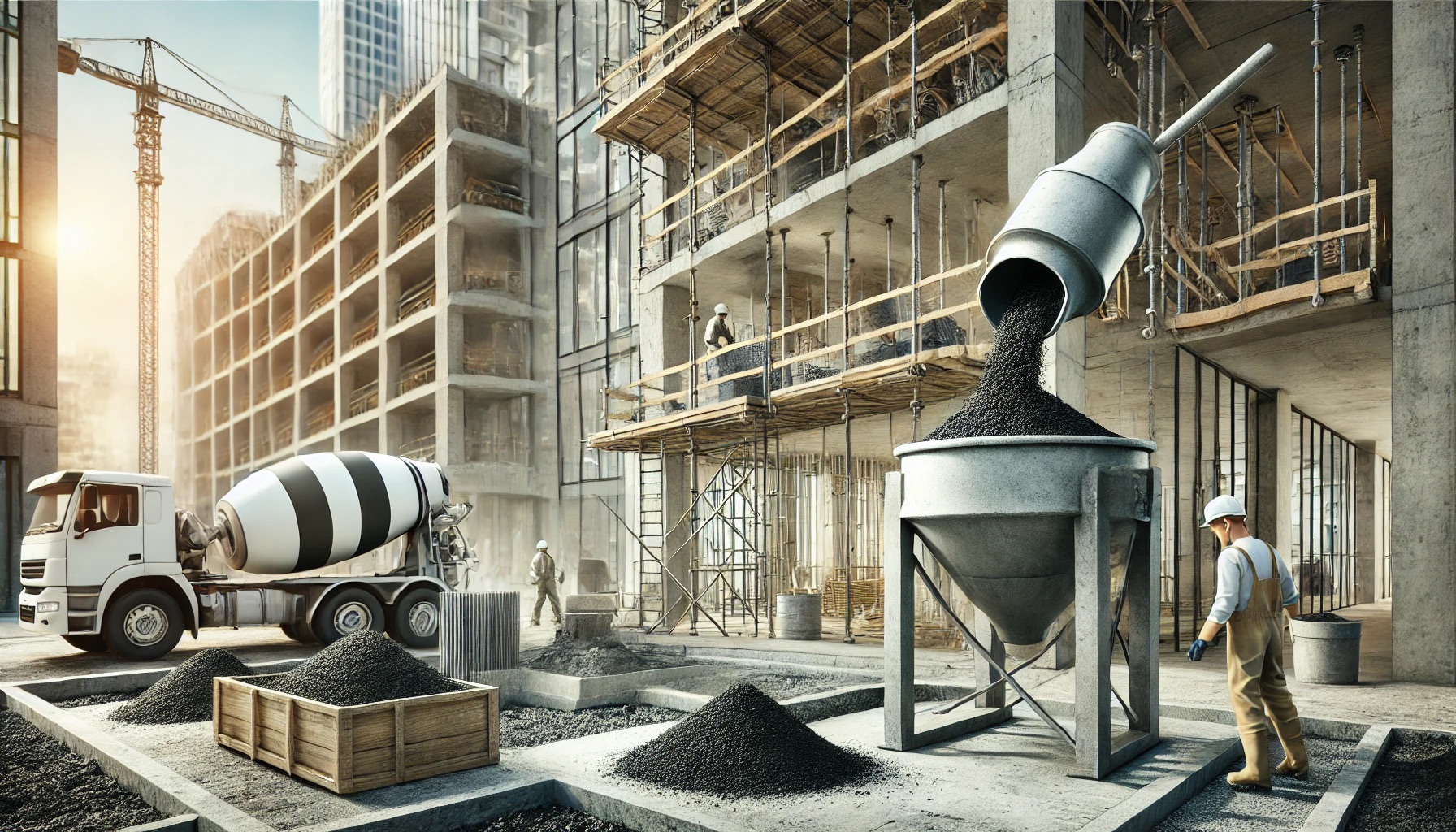
Cement production is one of the leading causes of global carbon emissions, contributing around 8% of total emissions. To reduce this environmental impact, researchers have explored the potential of using biochar, a carbon-rich material derived from biomassBiomass is a complex biological organic or non-organic solid product derived from living or recently living organism and available naturally. Various types of wastes such as animal manure, waste paper, sludge and many industrial wastes are also treated as biomass because like natural biomass these More, as an additive in cement mixtures. A recent study focused on the effects of incorporating biochar—made from rice husk and sawdust—into cement-based materials to enhance carbon dioxide (CO2) sequestration.
In the study, biochar was added to cement mortar at varying dosages (0%, 3%, 5%, and 10%) and cured under CO2 for 28 days. The addition of biochar significantly improved the mortar’s performance. The results showed that the mortar containing 10% biochar achieved a 24.2% increase in compressive strength compared to the control sample. Additionally, the material exhibited a 6% CO2 uptake, highlighting its potential for carbon sequestration.
Mechanical and structural analyses, such as X-ray diffraction (XRD) and thermogravimetric analysis (TGA), demonstrated that biochar promotes the formation of beneficial cement hydrates, improving both the strength and durability of the material. The study also noted that biochar’s porous nature increased the material’s water absorption and porosityPorosity of biochar is a key factor in its effectiveness as a soil amendment and its ability to retain water and nutrients. Biochar’s porosity is influenced by feedstock type and pyrolysis temperature, and it plays a crucial role in microbial activity and overall soil health. Biochar More but reduced its density, making it lighter and potentially more insulating.
Overall, this research suggests that incorporating biochar into cement not only helps reduce CO2 emissions but also improves the material’s properties, offering a sustainable alternative for the construction industry.




Leave a Reply