
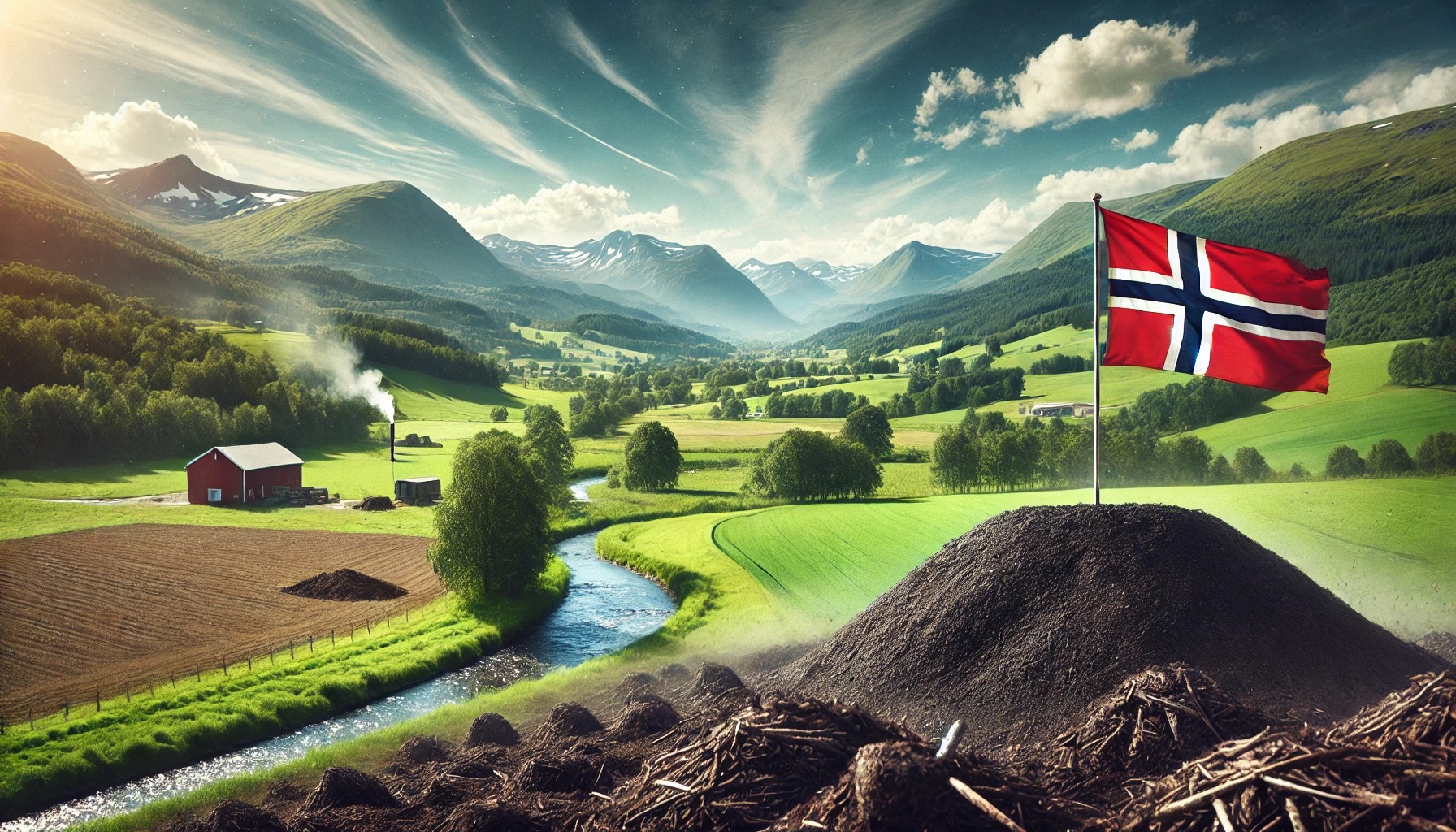
Hagenbo, et al (2024) BiocharBiochar is a carbon-rich material created from biomass decomposition in low-oxygen conditions. It has important applications in environmental remediation, soil improvement, agriculture, carbon sequestration, energy storage, and sustainable materials, promoting efficiency and reducing waste in various contexts while addressing climate change challenges. More mitigation potential in Norway estimated by IPCC Tier 1 and Tier 2 methods. Carbon Management. https://doi.org/10.1080/17583004.2024.2410823
Biochar, a carbon-rich material produced by the pyrolysisPyrolysis is a thermochemical process that converts waste biomass into bio-char, bio-oil, and pyro-gas. It offers significant advantages in waste valorization, turning low-value materials into economically valuable resources. Its versatility allows for tailored products based on operational conditions, presenting itself as a cost-effective and efficient More of organic waste, is increasingly recognized for its potential to sequester carbon in soils, offering a promising tool for climate change mitigation. In Norway, researchers have evaluated the carbon sequestration potential of biochar using two IPCC-approved methods: Tier 1 and Tier 2. While Tier 1 relies on standard emission factors to estimate carbon retention, Tier 2 allows for more accurate, region-specific calculations, accounting for local climate and feedstockFeedstock refers to the raw organic material used to produce biochar. This can include a wide range of materials, such as wood chips, agricultural residues, and animal manure. More conditions.
This study compared the outcomes of these methods for biochar application in Norwegian croplands, focusing on various feedstocks, including forestry residues and agricultural waste. The Tier 2 approach, utilizing locally derived data, showed higher carbon sequestration potential—between 0.92 and 0.96 million tons of CO2 equivalents per year—compared to the Tier 1 estimate of 0.79 million tons per year. This discrepancy highlights the importance of tailored accounting methods in accurately estimating biochar’s climate impact, especially under Norway’s cold climate, which prolongs biochar’s persistence in the soil.
The research underscores the need for accurate monitoring and verification systems to integrate biochar into Norway’s climate policies. By adopting the more detailed Tier 2 approach, Norway could optimize its biochar initiatives, significantly enhancing its contributions to carbon sequestration and emission reduction goals.



Leave a Reply