
Liu, et al (2024) BiocharBiochar is a carbon-rich material created from biomass decomposition in low-oxygen conditions. It has important applications in environmental remediation, soil improvement, agriculture, carbon sequestration, energy storage, and sustainable materials, promoting efficiency and reducing waste in various contexts while addressing climate change challenges. More combined with humic acid improves the soil environment and regulate microbial communities in apple replant soil. Ecotoxicology and Environmental Safety. https://doi.org/10.1016/j.ecoenv.2024.116958
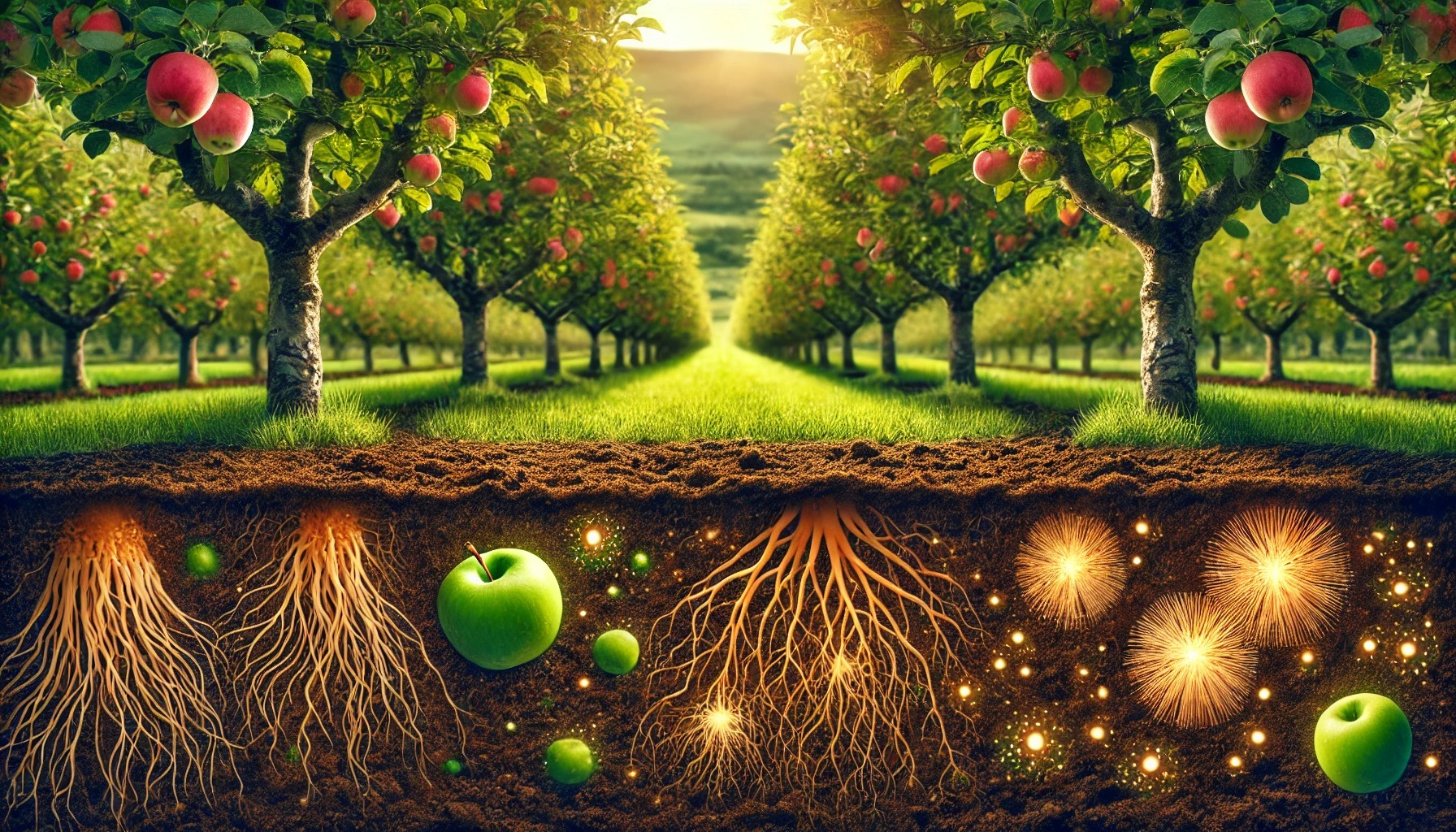
Apple replant disease (ARD) is a persistent problem in orchards, negatively affecting tree growth and yield. A recent study explored the effectiveness of biochar and humic acid in mitigating ARD by improving soil conditions and regulating soil microbial communities.
The study found that applying biochar and humic acid to replant soil significantly improved the growth of apple seedlings. These treatments enhanced soil enzyme activities, which are crucial for nutrient cycling, and increased the biomassBiomass is a complex biological organic or non-organic solid product derived from living or recently living organism and available naturally. Various types of wastes such as animal manure, waste paper, sludge and many industrial wastes are also treated as biomass because like natural biomass these More, root length, and antioxidant enzyme activities in seedlings. Additionally, biochar and humic acid reduced the abundance of Fusarium, a harmful fungus associated with ARD, and promoted a more balanced microbial community structure in the soil.
High-throughput sequencing revealed that biochar and humic acid treatments decreased fungal diversity, particularly reducing the relative abundance of Fusarium species, which are key contributors to ARD. The study also noted that these treatments improved soil physical properties, such as permeability and water retention, which further supported healthy plant growth.
Overall, the combined use of biochar and humic acid presents a promising, eco-friendly strategy to manage ARD. By enhancing soil health and promoting beneficial microbial communities, this approach could contribute to more sustainable apple production systems.




Leave a Reply