
Wu, Quan, et al (2024) Efficient Adsorption of Nitrogen and Phosphorus in Wastewater by BiocharBiochar is a carbon-rich material created from biomass decomposition in low-oxygen conditions. It has important applications in environmental remediation, soil improvement, agriculture, carbon sequestration, energy storage, and sustainable materials, promoting efficiency and reducing waste in various contexts while addressing climate change challenges. More. Molecules. https://doi.org/10.3390/molecules29051005
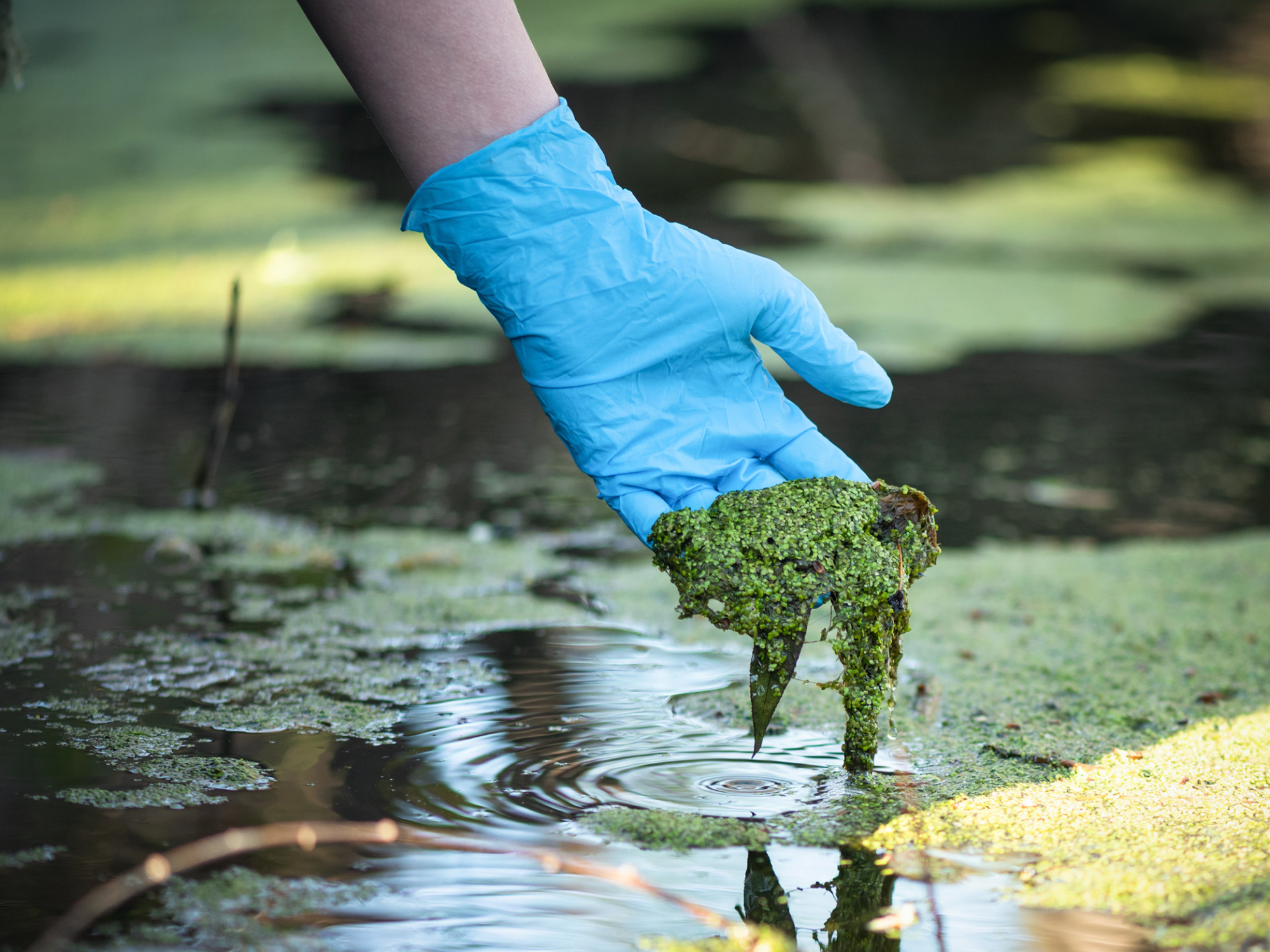
With the rapid development of the economy, the contradiction between environmental protection and economic growth has caused the general deterioration of water quality in China. Eutrophication of water bodies, a global environmental problem, is exacerbated by the excessive supply of nutrients such as nitrogen and phosphorus. This phenomenon harms aquatic ecosystems, endangers drinking water safety, and threatens biodiversity.
Biochar, a carbon-rich substance derived from biomassBiomass is a complex biological organic or non-organic solid product derived from living or recently living organism and available naturally. Various types of wastes such as animal manure, waste paper, sludge and many industrial wastes are also treated as biomass because like natural biomass these More thermal decomposition, holds promise in addressing this issue. Its ample surface area and porous structure enable the removal of various pollutants, including heavy metals, nitrogen, and phosphorus. Researchers have developed various biochar variants with enhanced adsorption capacities for nitrogen and phosphorus. For instance, biochar impregnated with FeCl3 demonstrated a phosphorus adsorption capacity exceeding 90 mg/g. Modified biochar (Ca/MgBC) derived from corn stalks effectively adsorbed nitrogen and phosphorus, with notable adsorption capacities.
Beyond water purification, biochar presents potential applications in agriculture. Phosphate-saturated biochar shows promise as an environmentally friendly phosphate fertilizer, aiding in the recovery and recycling of nitrogen and phosphorus. Experimental research suggests that biochar with adsorbed nitrogen and phosphorus promotes the growth of mung beans, offering a sustainable approach to alleviate fertilizer-related pressures.
As the global water quality crisis intensifies, the application of biochar in adsorbing nitrogen and phosphorus emerges as a beacon of hope. Its environmentally friendly nature, cost-effectiveness, and efficient removal capabilities make biochar a compelling candidate for widespread adoption. Future research should focus on overcoming challenges and further exploring biochar’s potential, paving the way for a sustainable and eco-friendly approach to combating nitrogen and phosphorus pollution.





Leave a Reply