


Endocrine-disrupting chemicals (EDCs) pose significant threats to both aquatic life and human health by interfering with hormonal functions. These pollutants, found in water, food, air, and soil, are linked to various health issues, including obesity, reproductive problems, cancer, and metabolic disorders. Traditional methods of removing these chemicals from the environment are often costly and environmentally unfriendly, leading researchers to explore alternative solutions.
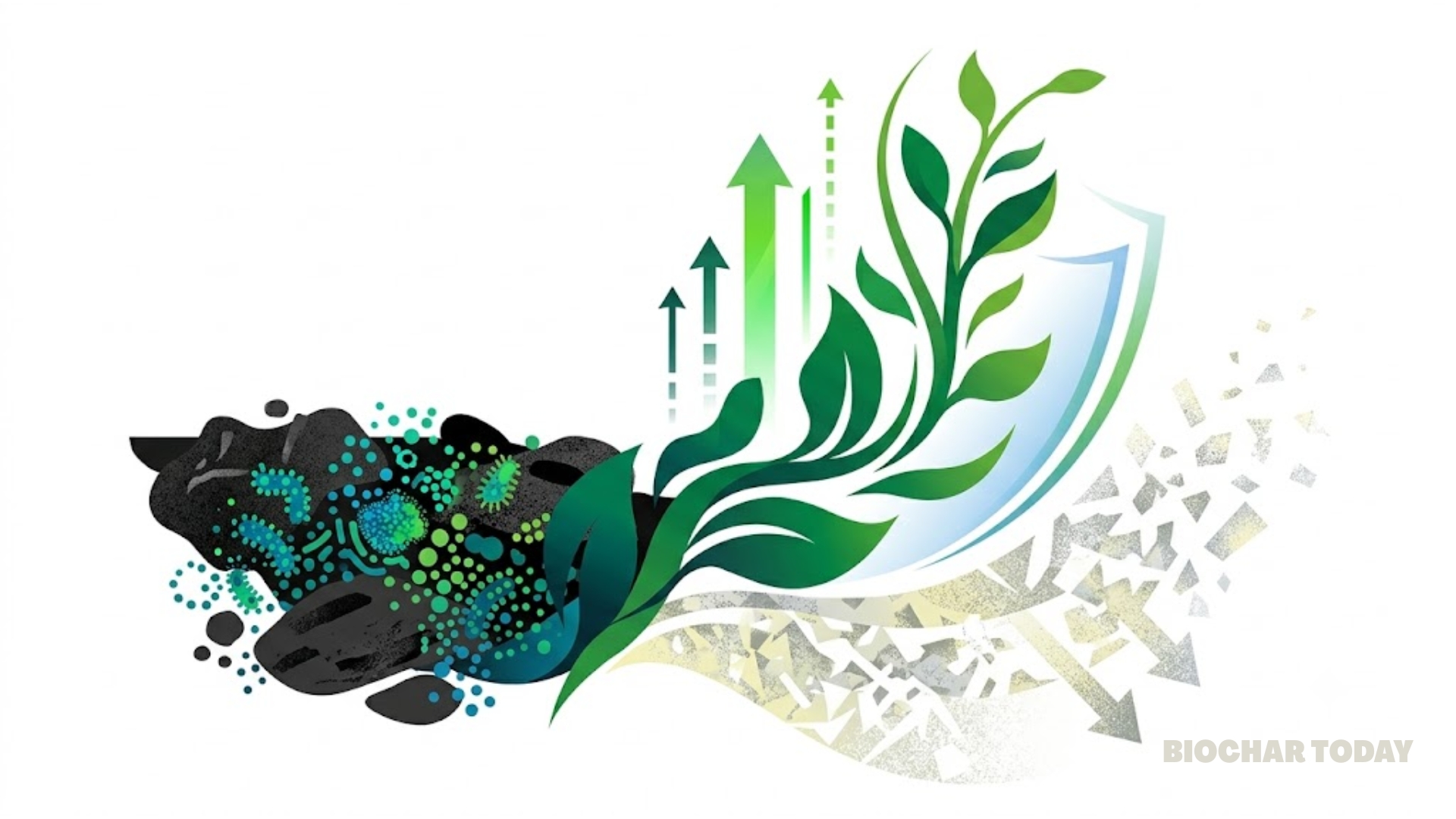
Biochar, derived from lignocellulosic biomassBiomass is a complex biological organic or non-organic solid product derived from living or recently living organism and available naturally. Various types of wastes such as animal manure, waste paper, sludge and many industrial wastes are also treated as biomass because like natural biomass these More, has emerged as a promising material for EDC removal due to its high adsorption efficiency, porous structure, and large surface area. Lignocellulosic biomass, rich in cellulose, hemicellulose, and lignin, includes plant materials such as wood, crop residues, and agricultural waste. Through pyrolysisPyrolysis is a thermochemical process that converts waste biomass into bio-char, bio-oil, and pyro-gas. It offers significant advantages in waste valorization, turning low-value materials into economically valuable resources. Its versatility allows for tailored products based on operational conditions, presenting itself as a cost-effective and efficient More, this biomass is converted into biochar, which can effectively adsorb both organic and inorganic pollutants.
This review focuses on the production and functionalization of biochar from lignocellulosic biomass, examining its interactions with EDCs. The binding mechanisms of biochar, including electrostatic bonding, hydrophobic interactions, and hydrogen bonding, make it highly effective in capturing and immobilizing EDCs from the environment.
The study highlights the need for further research to optimize biochar production and functionalization processes, ensuring maximum efficiency in EDC removal. By leveraging biochar’s potential, we can develop a sustainable and cost-effective approach to mitigating the environmental and health risks posed by endocrine-disrupting chemicals.



Leave a Reply