
Tafti, N., Wang, J., Gaston, L., Park, J., Wang, M., & Pensky, S. (2021). Agronomic and environmental
performance of biocharBiochar is a carbon-rich material created from biomass decomposition in low-oxygen conditions. It has important applications in environmental remediation, soil improvement, agriculture, carbon sequestration, energy storage, and sustainable materials, promoting efficiency and reducing waste in various contexts while addressing climate change challenges. More amendment in alluvial soils under subtropical sugarcane production.
Agrosystems, Geosciences and Environment , 4 (3) https://doi.org/10.1002/agg2.20209
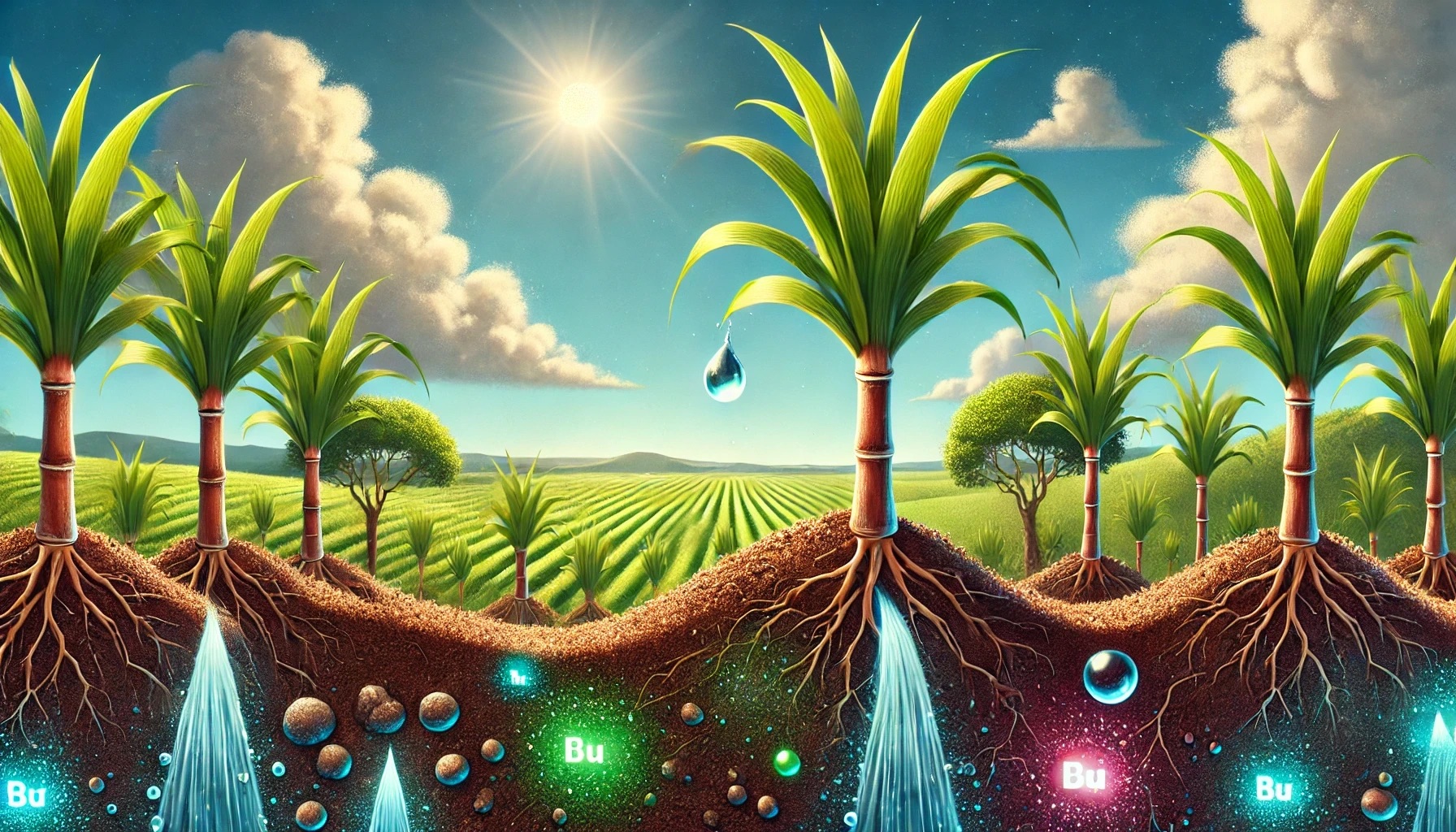
A study published in Agrosystems, Geosciences & Environment explores the effects of sugarcane bagasse-derived biochar on soil fertility, crop yields, and nutrient loss in Louisiana’s subtropical sugarcane fields. Researchers found that biochar, applied at 11 megagrams per hectare, improved sugarcane yields by 22% in lighter soils and 12% in heavier clay soils. Even in the ratoon crop, which typically shows lower yields, biochar treatments resulted in 20% and 14% increases compared to untreated soils.
Beyond yield improvements, biochar had notable environmental benefits. It increased soil organic carbon by 15%, reduced the soil carbon-to-nitrogen ratio by 19%, and decreased nutrient losses in runoff, including reductions in nitrate and phosphate leachingLeaching is the process where nutrients are dissolved and carried away from the soil by water. This can lead to nutrient depletion and environmental pollution. Biochar can help reduce leaching by improving nutrient retention in the soil. More by up to 57%. The study also found biochar reduced runoff volume and nutrient loads, including total suspended solids and biological oxygen demand, by up to 54%.
While biochar is not a replacement for fertilizer, it offers potential as a sustainable soil amendmentA soil amendment is any material added to the soil to enhance its physical or chemical properties, improving its suitability for plant growth. Biochar is considered a soil amendment as it can improve soil structure, water retention, nutrient availability, and microbial activity. More, contributing to both crop productivity and environmental protection. The researchers suggest that biochar could be a valuable tool in enhancing soil health and reducing the environmental impact of intensive agriculture in subtropical regions. Further research is needed to optimize biochar application rates for long-term benefits.





Leave a Reply