
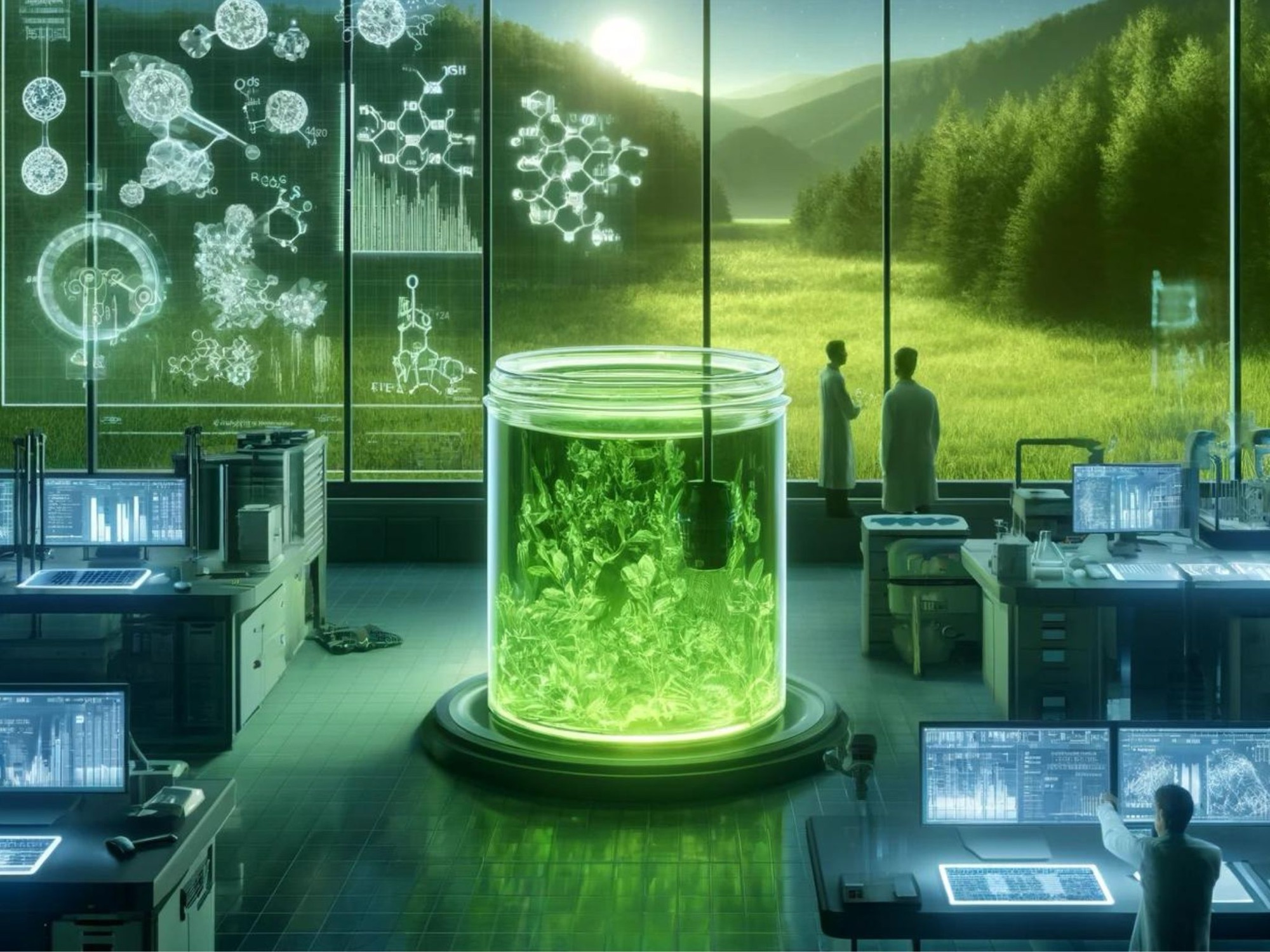

The production of traditional novolac resins, which are indispensable in high-tech applications, carries significant risks due to the highly exothermic nature of their polymerization and curing processes. These risks include the potential for thermal runaway, which can lead to explosions in resin factories. The traditional production method, relying on formaldehyde and an excess of phenol, also poses environmental and health hazards due to the release of harmful gases.
Recent studies have aimed to address these concerns by exploring the use of bio-based alternatives. Specifically, the water-insoluble fraction of bio-oil glyoxal (BOG) resin has been identified as a promising phenol bioresource. This shift not only has the potential to mitigate the environmental impact but also significantly reduces the heat risk associated with the polymerization reactions.
The safety of these renewable resins’ polymerization and curing reactions has been rigorously investigated through Differential Scanning Calorimeter (DSC) analyses. These studies compare the critical conditions under which thermal runaway could occur in both traditional and bio-based resins, offering insights into the reaction mechanisms of novolac resin synthesis and curing. The introduction of biocharBiochar is a carbon-rich material created from biomass decomposition in low-oxygen conditions. It has important applications in environmental remediation, soil improvement, agriculture, carbon sequestration, energy storage, and sustainable materials, promoting efficiency and reducing waste in various contexts while addressing climate change challenges. More as a curing agent presents an innovative approach to further reducing heat risks, marking a significant advancement in resin production safety.
Furthermore, the environmental implications of traditional novolac resin production have prompted a reevaluation of the materials used. The hazardous effects of phenol and formaldehyde, coupled with stringent environmental regulations, have spurred research into sustainable alternatives. The exploration of bio-oil as a substitute for phenol and bio-based formaldehyde alternatives, alongside the consideration of biochar, underscores a commitment to developing safer, more environmentally friendly resin production methods.
This study not only highlights the potential thermal hazards associated with traditional resin production but also emphasizes the importance of exploring bio-based alternatives for a safer and more sustainable future. By assessing the thermal hazards of bio-based novolac resins and introducing biochar as a novel curing agent, researchers are paving the way for advancements in resin technology that prioritize both safety and environmental sustainability.


Leave a Reply