
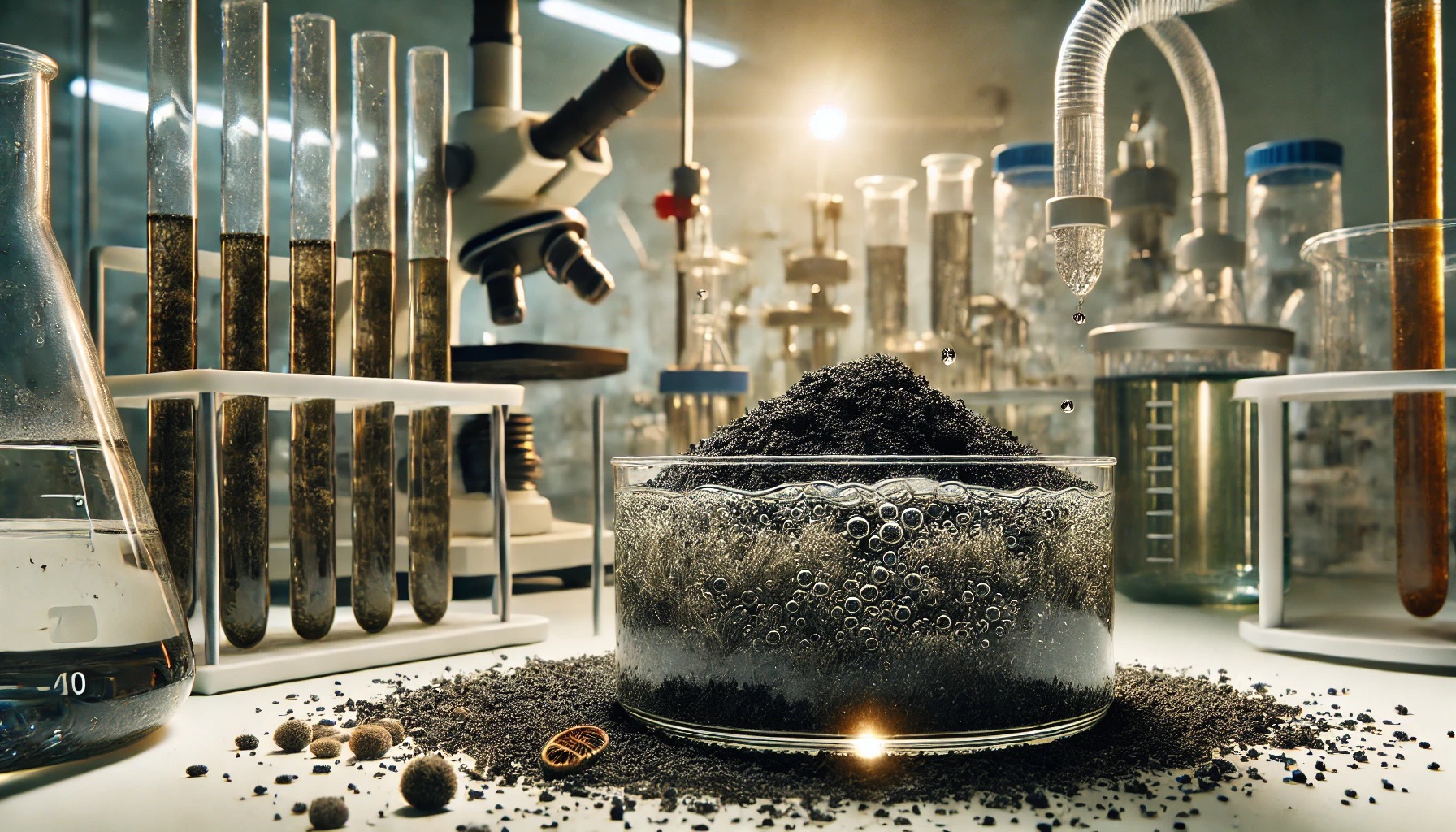

A new study published in the Journal of Hazardous Materials explores an innovative approach to groundwater remediation by utilizing biochar composites derived from seaweed and polyaniline (PANI) for the degradation of antibiotics, specifically sulfamethoxazole (SMX). SMX is a common contaminant in water sources due to its widespread use in medicine and agriculture, posing environmental and health risks by disrupting ecosystems and fostering antibiotic resistance.
The researchers developed a composite material using Saccharina japonica seaweed biochar and PANI, achieving an impressive 97.24% removal efficiency of SMX in just 60 minutes. The process works by activating peroxymonosulfate (PMS) to degrade SMX through both radical and non-radical pathways. The composite was effective across a broad pHpH is a measure of how acidic or alkaline a substance is. A pH of 7 is neutral, while lower pH values indicate acidity and higher values indicate alkalinity. Biochars are normally alkaline and can influence soil pH, often increasing it, which can be beneficial More range, making it adaptable to various water conditions. Key active sites, including pyrrolic nitrogen and oxidized sulfur, played crucial roles in electron transfer and oxidative processes, facilitating SMX breakdown.
One of the study’s highlights is the significant reduction in the toxicity of SMX by-products, showcasing the potential of this method in sustainable groundwater remediation. Additionally, the composite demonstrated stability and reusability, crucial factors for practical implementation. By introducing this advanced carbo-catalytic system, the study contributes a promising, eco-friendly solution for tackling persistent organic pollutants in water, reinforcing the potential of biochar-based materials in environmental applications.




Leave a Reply