
Patti, et al (2024) Recent approaches and advancement in biochar-based environmental sustainability: Is biocharBiochar is a carbon-rich material created from biomass decomposition in low-oxygen conditions. It has important applications in environmental remediation, soil improvement, agriculture, carbon sequestration, energy storage, and sustainable materials, promoting efficiency and reducing waste in various contexts while addressing climate change challenges. More fulfilling the sustainable development goals? ISCIENCE. https://doi.org/10.1016/j.isci.2024.110812
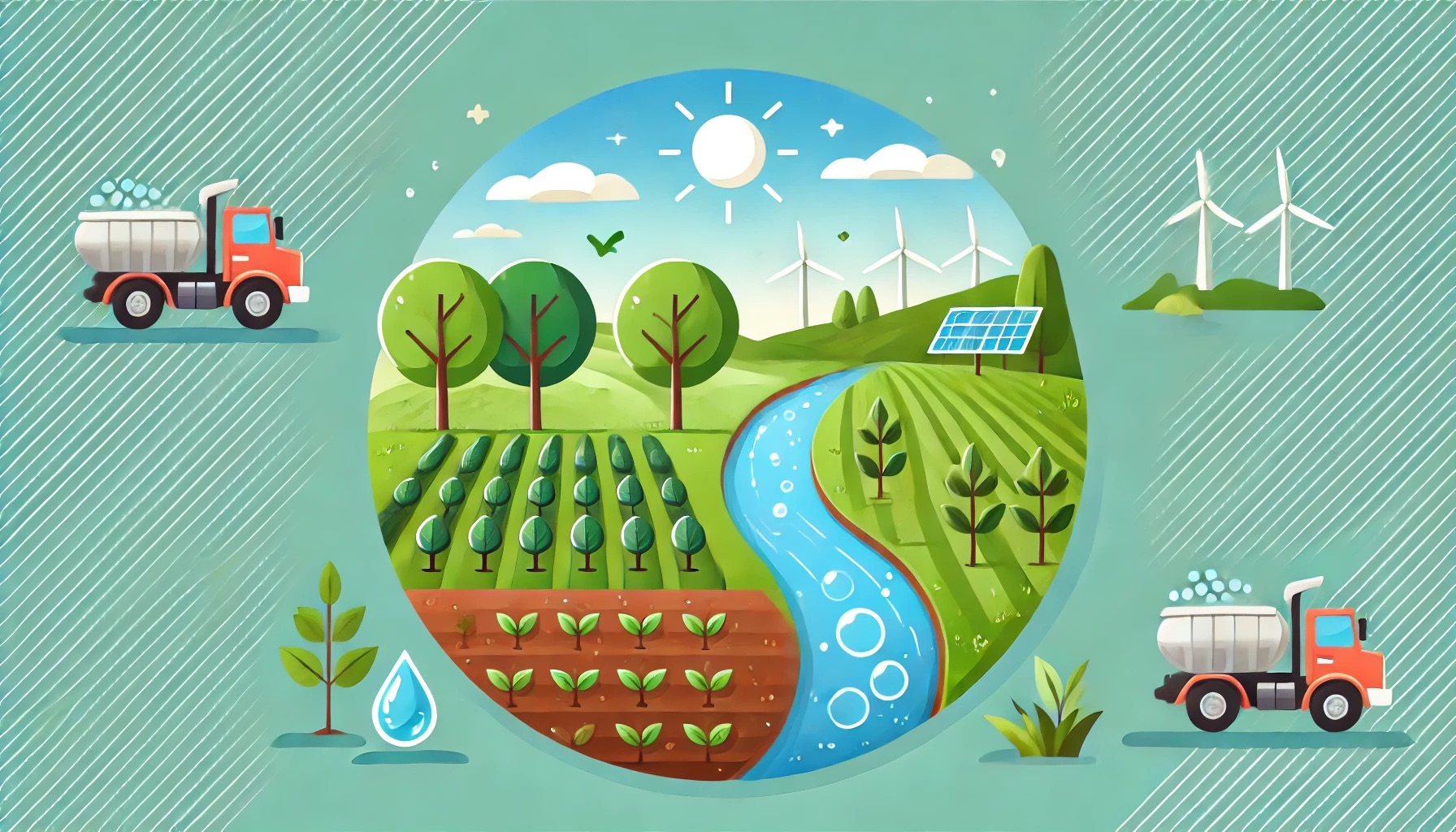
Biochar is emerging as a powerful tool for addressing environmental sustainability. Its application spans multiple areas, aligning with key Sustainable Development Goals (SDGs) including clean water (SDG 6), affordable and clean energy (SDG 7), climate action (SDG 13), and life on land (SDG 15). Biochar’s unique physicochemical properties—such as high surface area, porosityPorosity of biochar is a key factor in its effectiveness as a soil amendment and its ability to retain water and nutrients. Biochar’s porosity is influenced by feedstock type and pyrolysis temperature, and it plays a crucial role in microbial activity and overall soil health. Biochar More, and nutrient-retention capacity—make it effective in water treatment, soil enhancement, carbon sequestration, and energy production.
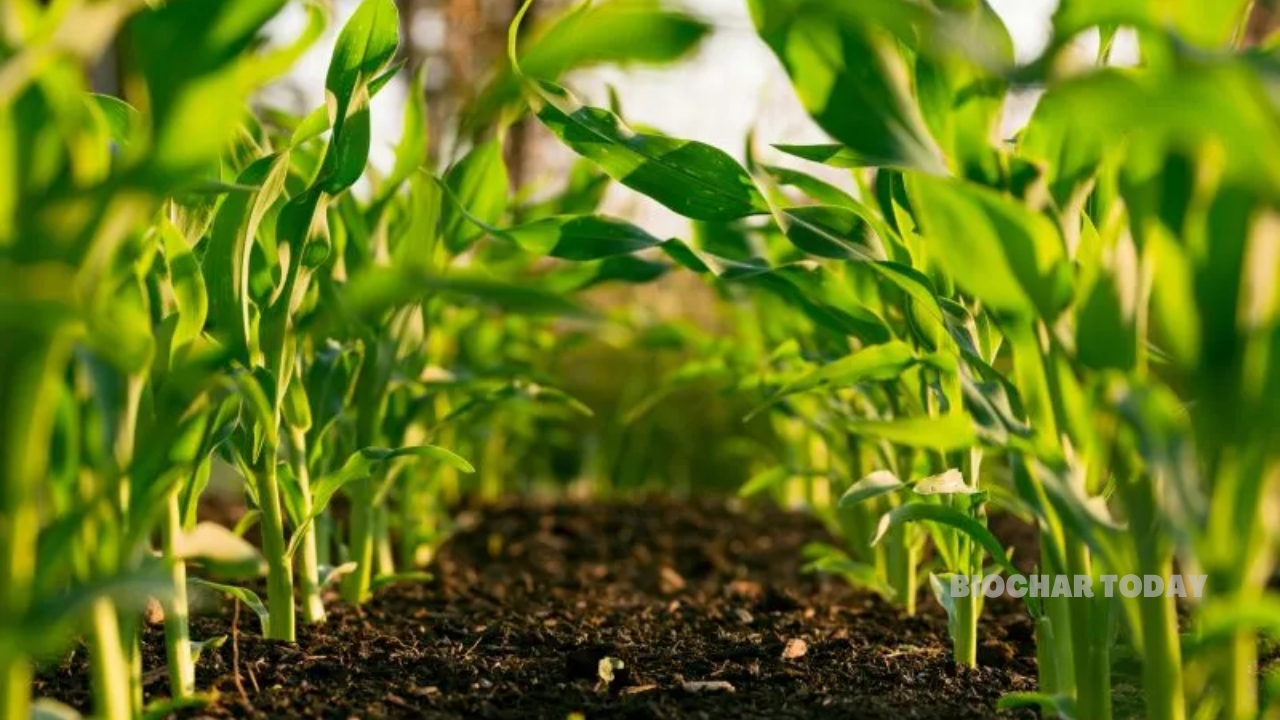
In water treatment, biochar has shown significant potential for adsorbing pollutants such as heavy metals, dyes, and conventional pollutants like nitrates and phosphates. This makes it a viable option for clean water initiatives, particularly in regions facing water pollution crises. Moreover, biochar aids in soil remediation, improving soil health by enhancing fertility, cation exchange capacity, and nutrient retention. This contributes to advancing life on land and addressing food security concerns.
Beyond water and soil, biochar’s ability to sequester carbon positions it as a tool in climate action, reducing greenhouse gas emissions. Additionally, its use in bioenergy production, through carbon-rich electrodes and biodiesel, aligns with the goal of achieving clean and affordable energy.
While biochar is proving to be a versatile material, ongoing research is essential to optimize its applications and ensure it fulfills its potential in achieving these global sustainability goals.



Leave a Reply