
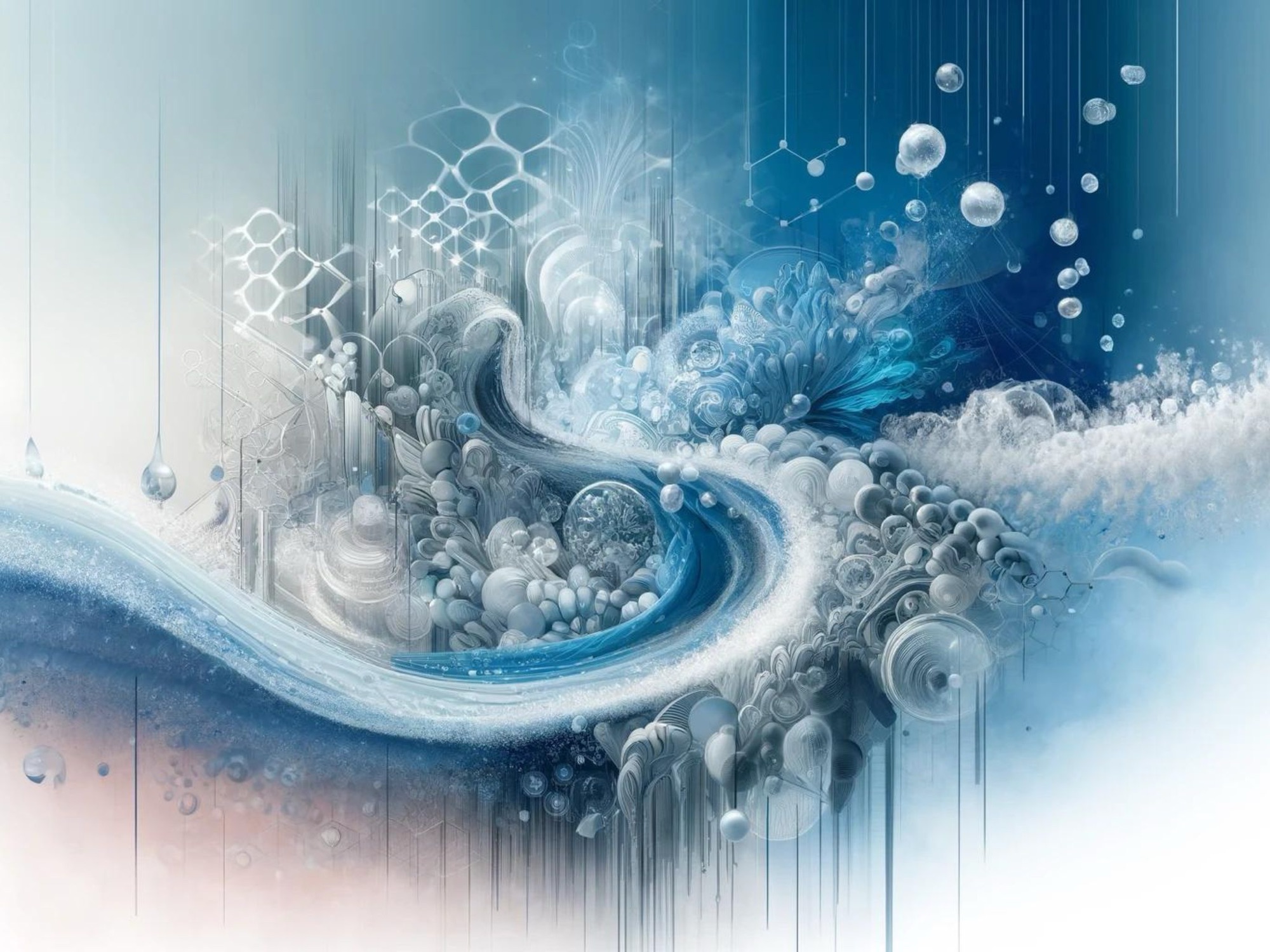

In recent research published in the journal Desalination, scientists explore the efficiency of biochar in desalination through capacitive deionization (CDI), highlighting its dependency on pore size distribution. The study, led by Yuqi Li and team, demonstrates the significant influence of microporous and mesoporous structures derived from the same biomassBiomass is a complex biological organic or non-organic solid product derived from living or recently living organism and available naturally. Various types of wastes such as animal manure, waste paper, sludge and many industrial wastes are also treated as biomass because like natural biomass these More precursor on desalination performance.
Biochar, an accessible, cost-effective material with a high carbon content, is shown to be highly effective in removing salts from water when used as an electrode in CDI systems. The research focuses on microporous biochar (MiB) and mesoporous biochar (MeB), each having distinct electrical and physical characteristics that impact their salt adsorption capabilities. MiB displays a higher specific capacitance and oxygen content, which aids in increased salt adsorption, while MeB facilitates faster ion transport due to its lower charge transfer impedance.
The team developed a novel CDI cell design using MiB as the anode and MeB as the cathode, which achieved a higher salt adsorption capacity of 17.04 mg/g at 1.2 V, compared to other configurations tested. This setup also maintained 81% stability after 50 cycles, indicating less performance degradation over time.
The study further elaborates on how different pore sizes interact with ionic species and emphasizes the role of asymmetric electrode configuration in enhancing both the desalination capacity and the long-term stability of CDI systems. This breakthrough could lead to more sustainable and efficient water desalination technologies, offering a practical solution to the global water scarcity challenge.



Leave a Reply