
Li, et al (2024) A multi-phase mechanical model of biochar–cement composites at the mesoscale. Computer-Aided Civil and Infrastructure Engineering. DOI: 10.1111/mice.13307
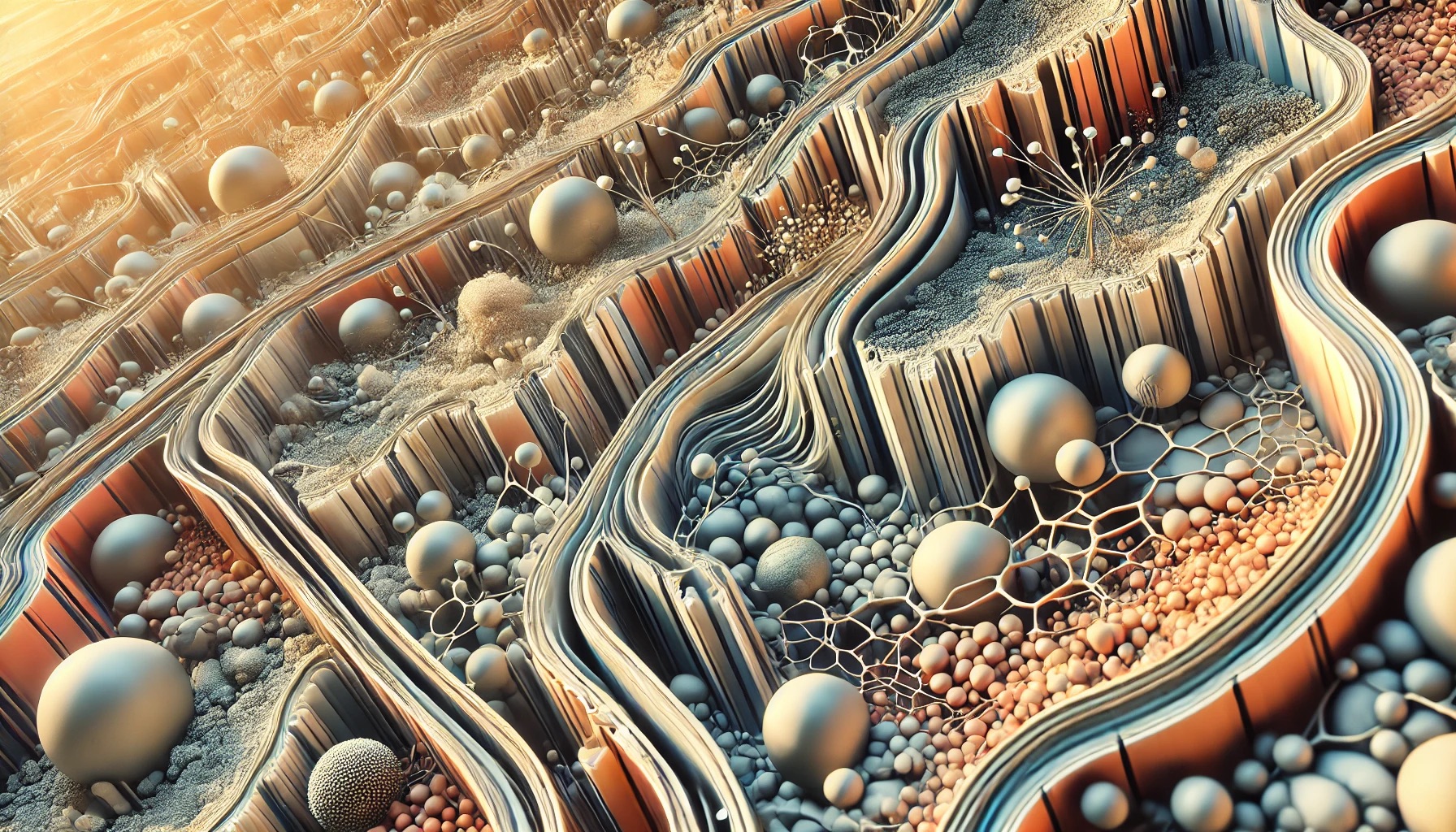
This study introduces a multi-phase mechanical model designed to analyze biochar-cement composites at the mesoscale. The primary focus is on simulating crack propagation and mechanical behavior, aiming to enhance the understanding of biochar’s role in cementitious materials. The model includes five phases: biocharBiochar is a carbon-rich material created from biomass decomposition in low-oxygen conditions. It has important applications in environmental remediation, soil improvement, agriculture, carbon sequestration, energy storage, and sustainable materials, promoting efficiency and reducing waste in various contexts while addressing climate change challenges. More particles, sand aggregates, a cement matrix, and interfacial transition zones (ITZ) adjacent to both biochar and sand particles.
A unique contribution of this study is the development of a 3D porous biochar library, which allows detailed geometric modeling of biochar particles. The model is validated experimentally using digital image correlation (DIC) technology, confirming the simulation results for stress-strain behavior under compression. This precise geometric modeling has uncovered new insights into biochar’s failure mechanisms, particularly highlighting its ductility-enhancing properties in cement composites.
The significance of this research lies in addressing the environmental challenges posed by cement production, such as high carbon emissions and dwindling natural sand supplies. By integrating biochar—a carbon-negative material—into cement composites, the study supports the development of more sustainable, low-carbon construction materials.
This mesoscale model and its findings are valuable for advancing the design of lightweight, high-ductility biochar-cement composites, providing a foundation for future research and applications in sustainable construction.


Leave a Reply