


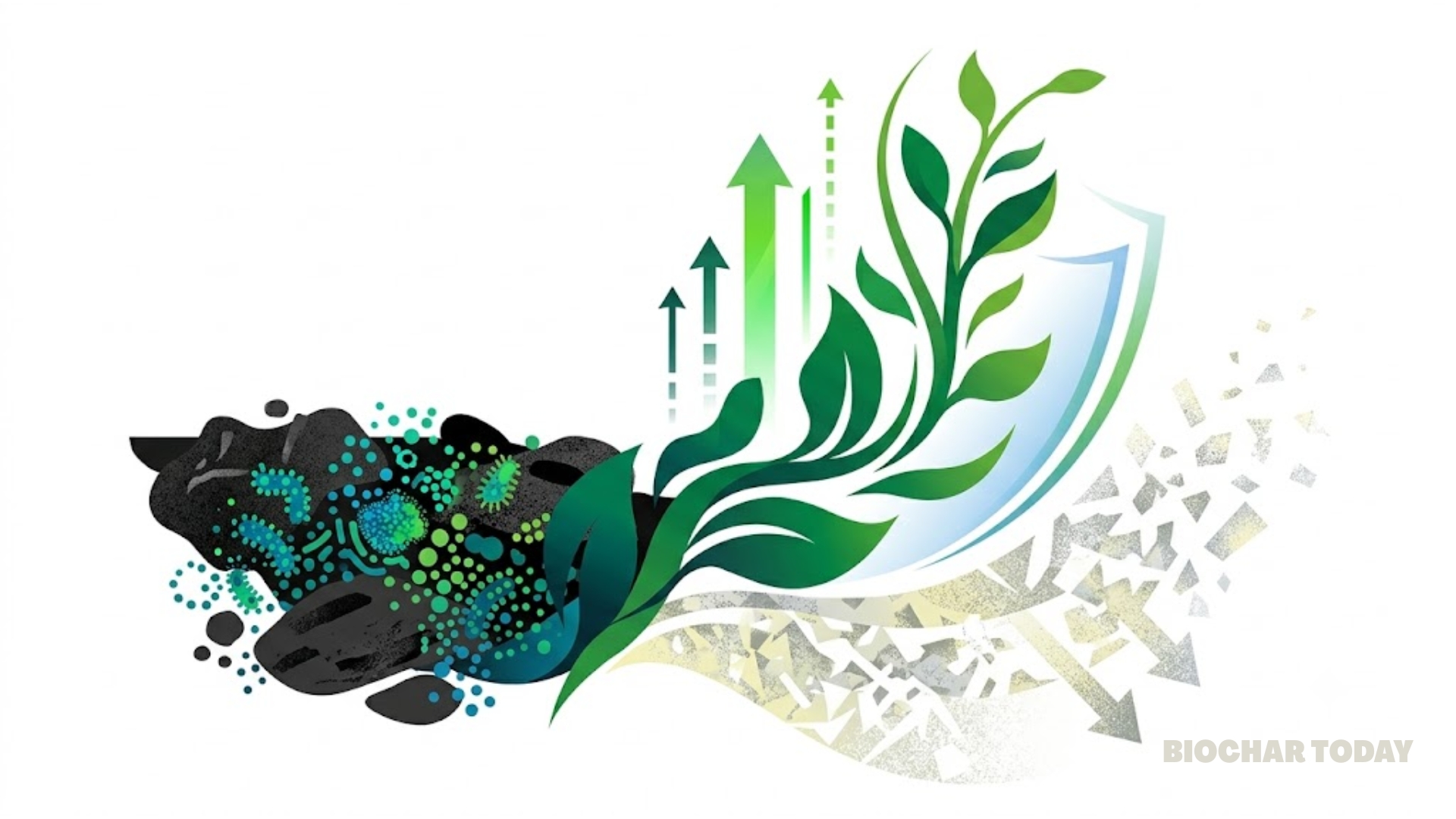
The rising contamination of water by antibiotics and antibiotic resistance genes (ARGs) is a significant threat to ecosystems and human health. To tackle this, advanced water treatment materials are crucial. BiocharBiochar is a carbon-rich material created from biomass decomposition in low-oxygen conditions. It has important applications in environmental remediation, soil improvement, agriculture, carbon sequestration, energy storage, and sustainable materials, promoting efficiency and reducing waste in various contexts while addressing climate change challenges. More (BC), a carbon-rich material from biomassBiomass is a complex biological organic or non-organic solid product derived from living or recently living organism and available naturally. Various types of wastes such as animal manure, waste paper, sludge and many industrial wastes are also treated as biomass because like natural biomass these More, shows promise due to its large surface area, porosityPorosity of biochar is a key factor in its effectiveness as a soil amendment and its ability to retain water and nutrients. Biochar’s porosity is influenced by feedstock type and pyrolysis temperature, and it plays a crucial role in microbial activity and overall soil health. Biochar More, and functional groups. This review explores BC’s potential in catalyzing peroxides to remove antibiotics and ARGs, highlighting various biomass sources for BC production, the impact of pyrolysis conditionsThe conditions under which pyrolysis takes place, such as temperature, heating rate, and residence time, can significantly affect the properties of the biochar produced. More, and modification techniques that enhance BC’s catalytic performance.
Key insights include the mechanisms facilitating the catalytic removal of pollutants and the challenges in scaling BC-based technologies. Despite advantages like high efficacy in pollutant removal, there are concerns about secondary pollution from BC-based catalysts. The review also evaluates the practical and economic feasibility of BC catalysts in real-world water treatment systems, offering recommendations for future research to develop sustainable BC-based technologies.
By addressing these issues, this review aims to translate BC’s potential into practical applications for treating contaminated water, contributing valuable insights for advancing BC-based water treatment solutions.




Leave a Reply