

Key Takeaways
- BiocharBiochar is a carbon-rich material created from biomass decomposition in low-oxygen conditions. It has important applications in environmental remediation, soil improvement, agriculture, carbon sequestration, energy storage, and sustainable materials, promoting efficiency and reducing waste in various contexts while addressing climate change challenges. More acts like a powerful sponge that locks away dangerous soil toxins to protect human food chains.
- Low-temperature biochar creates a protective nursery for beneficial bacteria that eat organic pollutants.
- Engineered biochar increases the removal of heavy metals and chemicals by more than ten times compared to raw materials.
- Using biochar in contaminated fields helps restore vital soil enzymes while trapping carbon to fight climate change.
- Sustainable soil cleaning with biochar prevents toxic runoff from reaching groundwater and local drinking supplies.
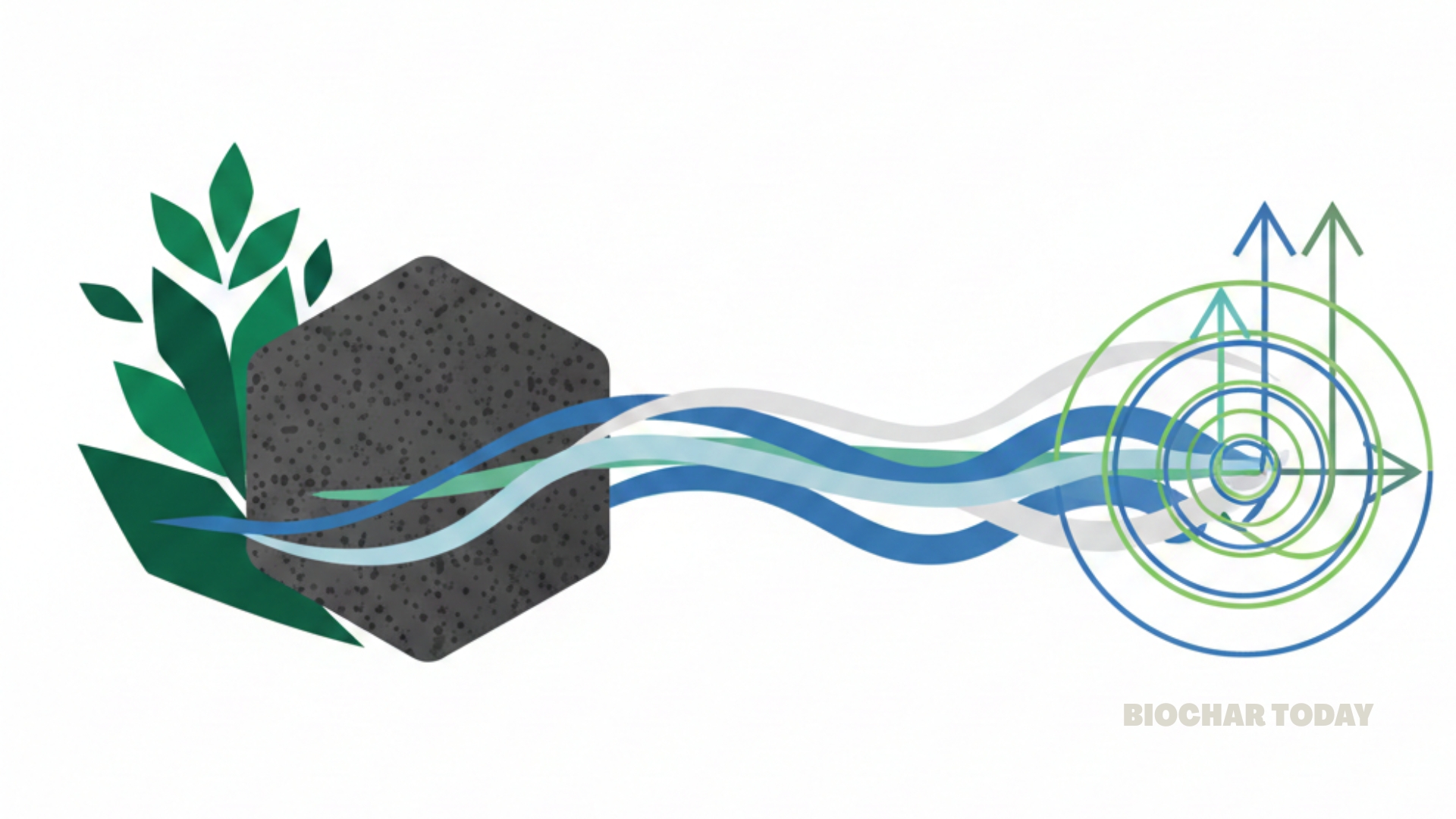
In a comprehensive review published in the journal Molecules, lead author Pengfei Li and a team of researchers examine how biochar serves as an innovative solution for cleaning soils tainted by industrial and agricultural waste. Soil contamination from pesticides, petroleum, and pharmaceuticals has become a global crisis, threatening food security and human health. Biochar offers a dual-action remedy. It not only physically traps harmful molecules within its complex network of microscopic pores but also acts as a catalyst for biological life, turning degraded dirt into a thriving ecosystem capable of self-healing.
The effectiveness of this material is largely dictated by how it is made. High-temperature pyrolysisPyrolysis is a thermochemical process that converts waste biomass into bio-char, bio-oil, and pyro-gas. It offers significant advantages in waste valorization, turning low-value materials into economically valuable resources. Its versatility allows for tailored products based on operational conditions, presenting itself as a cost-effective and efficient More creates a biochar with a glass-like carbon structure that is exceptionally stable, making it ideal for the long-term sequestration of non-polar toxins like petroleum hydrocarbons. Conversely, biochar produced at lower temperatures retains a variety of chemical groups on its surface that are better at attracting and binding polar pollutants such as modern antibiotics and certain herbicides. The research highlights that by carefully selecting the starting material and controlling the heat of production, scientists can engineer specific types of biochar tailored to the unique pollution profile of a specific site.
Beyond simple filtration, biochar fundamentally transforms the soil’s biological landscape. Its porous architecture provides a safe haven for specialized microorganisms, shielding them from environmental stress and predators. This physical protection allows populations of pollutant-degrading bacteria to flourish. In many cases, the biochar serves as an electron bridge, speeding up the chemical reactions that microbes use to break down complex toxins into harmless substances. This synergy between the physical material and living organisms leads to a much more thorough and permanent cleaning of the soil than traditional mechanical methods could ever achieve.
The study also points toward the future of engineered soil amendments. By combining biochar with other treatments, such as mineral loading or plant-based remediation, the efficiency of pollutant removal can be increased by an order of magnitude. For example, adding magnesium to biochar produced from corn cobs has been shown to create a superior filter that can be reused across multiple cleaning cycles with minimal loss in performance. This move toward rationally designed materials represents a shift from general soil improvement to targeted environmental engineering.
While the benefits are clear, the researchers emphasize that the transition from laboratory success to large-scale field application requires careful management. Soil is a complex and variable medium, and the long-term stability of trapped pollutants must be monitored to ensure they do not eventually leak back into the environment as the biochar ages. However, the current evidence suggests that biochar is one of the most promising tools available for sustainable land management. By integrating carbon sequestration with toxic waste removal, this technology provides a path toward restoring the planet’s most vital resource while simultaneously addressing the broader challenges of climate change and chemical safety.
Source: Li, P., Liu, Y., Sun, Y., & Zhang, C. (2026). Biochar innovations for organic pollutant remediation in contaminated soils. Molecules, 31(3), 432.



Leave a Reply