
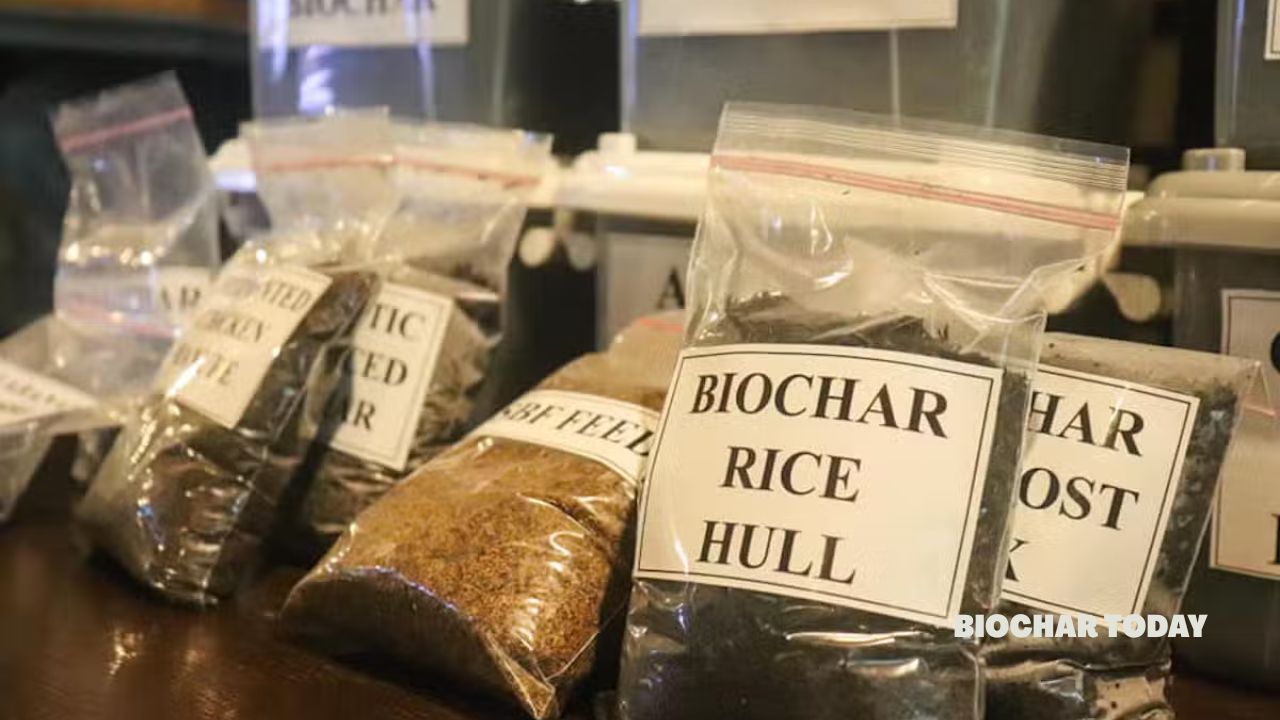
The Agribusiness and Countryside Development Foundation (ACDF), in coordination with the Management Association of the Philippines, recently concluded that a joint public-private initiative is essential to harness biocharBiochar is a carbon-rich material created from biomass decomposition in low-oxygen conditions. It has important applications in environmental remediation, soil improvement, agriculture, carbon sequestration, energy storage, and sustainable materials, promoting efficiency and reducing waste in various contexts while addressing climate change challenges. More for national agricultural development. During a high-level technology forum, industry experts highlighted the potential of utilizing agricultural and forestry wastes—such as rice hulls and corn cobs—to improve small farmer incomes and stabilize carbon. The discussion focused on scaling successful local models to a nationwide level to combat climate change and declining soil fertility.
A significant challenge addressed in this report is the persistent issue of low farm productivity and high input costs for small-scale farmers in the Philippines. Many agricultural regions suffer from infertile soil, including areas damaged by volcanic lahar, which limits the growth of high-value crops like cacao, jackfruit, and durian. Furthermore, the reliance on expensive chemical fertilizers continues to suppress net incomes, making it difficult for rural households to achieve financial sustainability amid fluctuating market prices.
To resolve these barriers, the Kapampangan Development Foundation, Inc. (KDFI) and the Institute of Area Management (IAM) have implemented specific, low-cost technical solutions. IAM demonstrated that farmers can construct effective biochar kilns using recycled drums for approximately P7,000, allowing for the localized processing of biomassBiomass is a complex biological organic or non-organic solid product derived from living or recently living organism and available naturally. Various types of wastes such as animal manure, waste paper, sludge and many industrial wastes are also treated as biomass because like natural biomass these More. KDFI showcased a larger-scale solution by pairing biochar with organic supplements to rehabilitate 30 hectares of damaged soil for nursery operations. These solutions focus on decentralized production, empowering clusters of households to manage their own waste-to-value supply chains.



Leave a Reply