
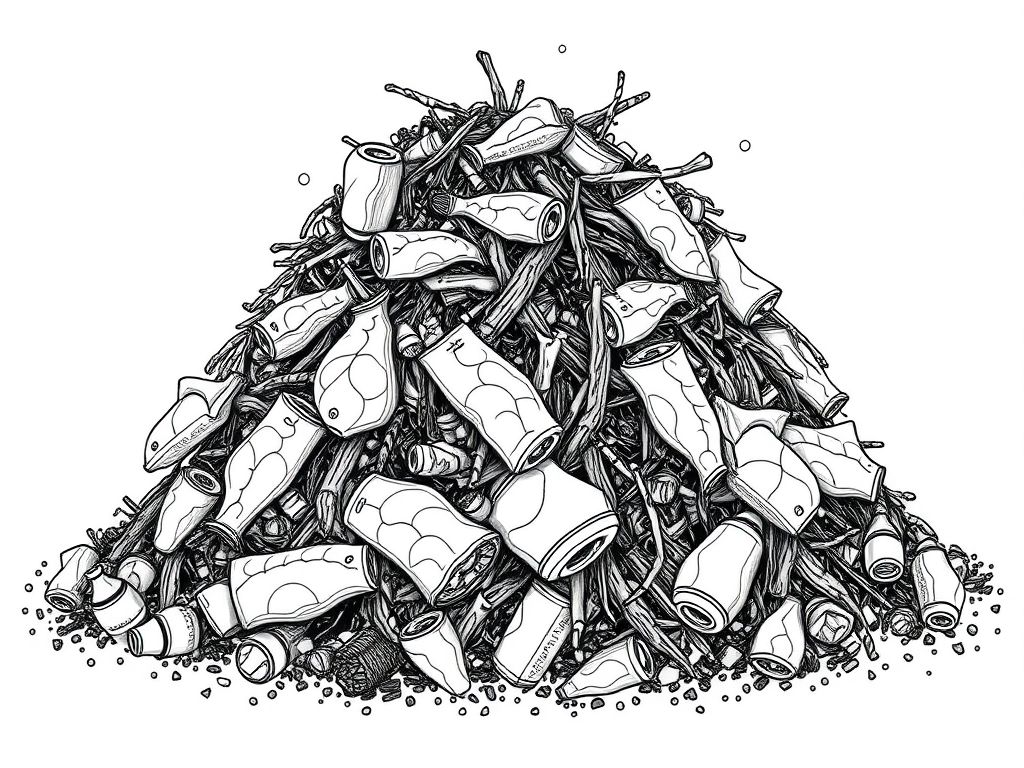
A recent study published in ACS Omega by Brenda K. V. Leite and colleagues explores methods to improve the composting of fish waste, focusing on reducing nitrogen loss. Nitrogen, essential for plant growth, is often lost during composting as ammonia, which lowers the fertilizer quality of the compost. The researchers investigated the effectiveness of biocharBiochar is a carbon-rich material created from biomass decomposition in low-oxygen conditions. It has important applications in environmental remediation, soil improvement, agriculture, carbon sequestration, energy storage, and sustainable materials, promoting efficiency and reducing waste in various contexts while addressing climate change challenges. More and crude glycerin as additives to mitigate this nitrogen loss.
Fish waste is rich in nutrients like nitrogen, phosphorus, and calcium, making it an excellent material for organic fertilizers. However, its high nitrogen content leads to substantial nitrogen loss during composting, mainly due to ammonia volatilization. This not only diminishes the compost’s quality but also poses environmental concerns.
To combat nitrogen loss, the study examined biochar and crude glycerin as additives. Biochar has a porous structure that can retain nutrients and gases, potentially reducing nitrogen loss. Crude glycerin, a biodiesel production byproduct, can serve as a carbon source for microorganisms involved in composting, which may also aid in nitrogen retention.
The study’s results showed that both biochar and crude glycerin can help reduce nitrogen loss during fish waste composting. Notably, the 5% glycerin treatment resulted in the lowest nitrogen loss, with an impressive 26.9% reduction. While biochar also reduced nitrogen loss (averaging 50.6%), glycerin proved to be more effective in this study.
The researchers also found that adding biochar and crude glycerin did not hinder the degradation of organic matter during composting. This is crucial because efficient degradation is necessary to produce a stable and sanitized compost. Furthermore, the final compost product maintained a good concentration of macro- and micronutrientsThese are essential nutrients that plants need in small amounts, kind of like vitamins for humans. They include things like iron, zinc, and copper. Biochar can help hold onto these micronutrients in the soil, making them more available to plants. More, making it suitable for use as an organic fertilizer.
Source: Leite, B. K. V., Orrico, A. C. A., Orrico Junior, M. A. P., Aspilcueta Borquis, R. R., Oliveira, J. D., Macena, I. A., Ota, E. C., Vilela, R. N. S., Silva, T. S. C., & Inoue, L. A. K. A. (2025). Valorization of Fish Waste Using Biochar and Crude Glycerin as Additives in Composting. ACS Omega.




Leave a Reply