
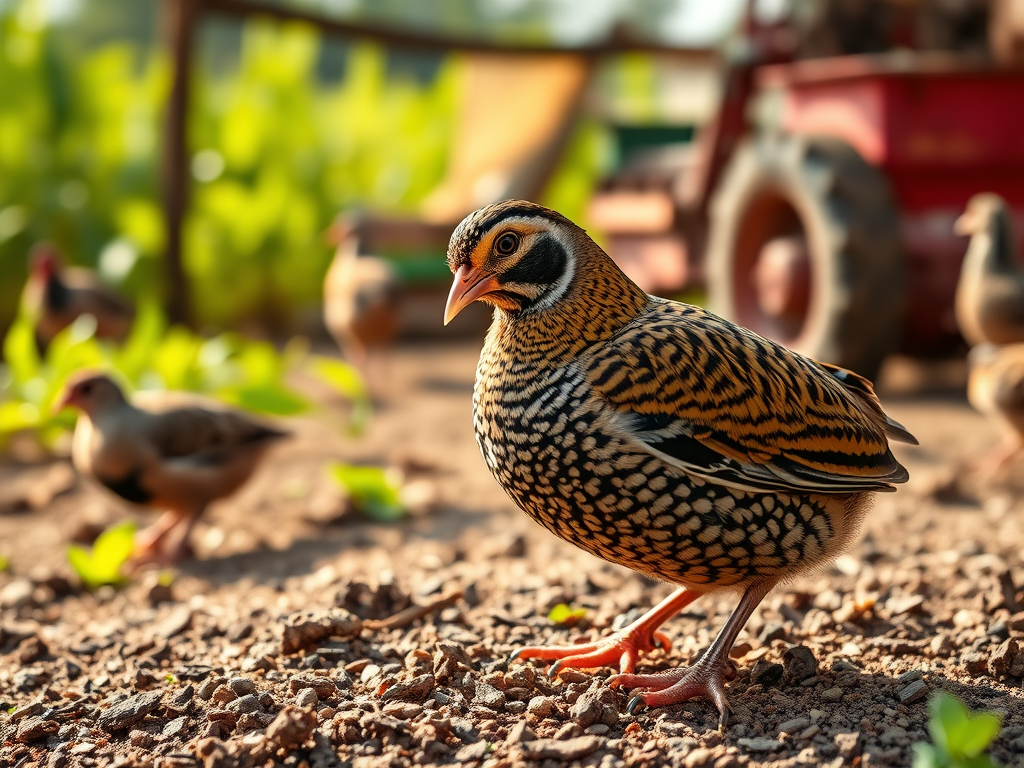
Quail farming, a growing sector of the poultry industry, faces numerous challenges, including the presence of aflatoxins in feed. These naturally occurring toxins, produced by certain molds, can severely impact the health and productivity of quails, leading to decreased growth rates, impaired immune function, and even death. Finding effective and safe ways to neutralize these toxins is vital for the sustainability of quail farming. The study, published in Discover Animals, presents a promising solution: biocharBiochar is a carbon-rich material created from biomass decomposition in low-oxygen conditions. It has important applications in environmental remediation, soil improvement, agriculture, carbon sequestration, energy storage, and sustainable materials, promoting efficiency and reducing waste in various contexts while addressing climate change challenges. More derived from the Prosopis farcta plant.
Biochar’s porous structure and high surface area make it an excellent adsorbent, capable of binding to and removing harmful substances like aflatoxins from the digestive system. In this research, the scientists investigated how Prosopis farcta biochar affects quails when added to their feed. The results were compelling. The biochar effectively neutralized aflatoxin B1, one of the most potent and dangerous aflatoxins.
Beyond just toxin neutralization, the study revealed that the biochar had a positive impact on the overall health and productivity of the quails. Birds fed the biochar-supplemented diet showed improved health parameters and enhanced productivity. This suggests that Prosopis farcta biochar not only acts as a detoxifying agent but also provides additional benefits that contribute to the well-being and performance of the quails. The corrected P-values reinforce the statistical significance of these positive outcomes, confirming the robust nature of the study’s findings.
The implications of this research are significant for both small-scale farmers and large commercial poultry operations. By incorporating a natural, readily available substance like Prosopis farcta biochar into quail feed, farmers can effectively combat aflatoxin contamination without relying on synthetic or expensive alternatives. This could lead to healthier flocks, higher yields, and increased profitability. The use of biochar also aligns with sustainable agricultural practices, as it repurposes plant waste and reduces the reliance on potentially harmful chemical additives.
This study underscores the importance of precision in scientific reporting. A simple error, such as a flipped inequality sign, could misrepresent the strength of the evidence. The prompt correction by the authors and journal highlights a commitment to scientific integrity, ensuring that the valuable insights from this research are communicated accurately. The findings offer a tangible solution to a widespread problem in poultry farming and pave the way for further research into the use of plant-based biochar as a functional feed additive.
Source: Raz, M., Bagherzadeh-Kasmani, F., Karimi-Torshizi, M.A., Ghazaghi, M., Mokhtarpour, A., & Mehri, M. (2025). Correction: Prosopis farcta biochar neutralizes aflatoxin B1 and enhances health and productivity in quails. Discover Animals, 2(34), 1–1.


Leave a Reply