
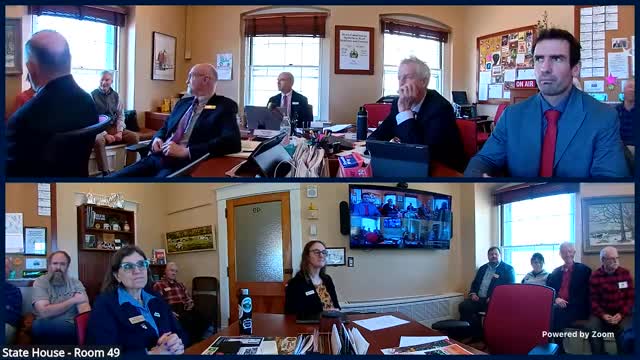
Synergy Bioproducts has announced plans to establish a commercial biocharBiochar is a carbon-rich material created from biomass decomposition in low-oxygen conditions. It has important applications in environmental remediation, soil improvement, agriculture, carbon sequestration, energy storage, and sustainable materials, promoting efficiency and reducing waste in various contexts while addressing climate change challenges. More production and energy generation facility in the Linden industrial park, Vermont. Evan Folio, owner of Synergy Bioproducts, recently provided details on the proposed project to the state’s House Agriculture, Food Resiliency & Forestry Committee.
The facility is currently navigating the state’s permitting process. Synergy Bioproducts has secured an air-emissions permit from the Department of Environmental Conservation and a stormwater construction permit, and is now undergoing the Section 248 Certificate of Public Good process, which is required for energy infrastructure projects. If completed, the company states it would be the first facility of its kind in Vermont.
The plant is designed to use low-value woody biomassBiomass is a complex biological organic or non-organic solid product derived from living or recently living organism and available naturally. Various types of wastes such as animal manure, waste paper, sludge and many industrial wastes are also treated as biomass because like natural biomass these More as feedstockFeedstock refers to the raw organic material used to produce biochar. This can include a wide range of materials, such as wood chips, agricultural residues, and animal manure. More. It would produce biochar, which can be used as a soil amendmentA soil amendment is any material added to the soil to enhance its physical or chemical properties, improving its suitability for plant growth. Biochar is considered a soil amendment as it can improve soil structure, water retention, nutrient availability, and microbial activity. More, a filter media, a means of carbon sequestration, and a precursor for various industrial uses.
In addition to biochar production, the facility is planned to capture fuel gases generated during the process to produce just over two megawatts of electricity. This power would be used for the facility’s internal energy needs, with excess power slated for sale to the electrical grid. Folio noted the project is small in scale relative to larger regional biomass operations.
The developer cited existing market interest from local farmers and businesses for the commercial volumes of biochar. Folio also emphasized that the venture supports forest and farm markets by utilizing low-value biomass. He urged the committee to consider clearer permitting timelines and specialist assistance to help new companies navigate state requirements. The committee did not take formal action on the project following the discussion.



Leave a Reply