
Key Takeaways
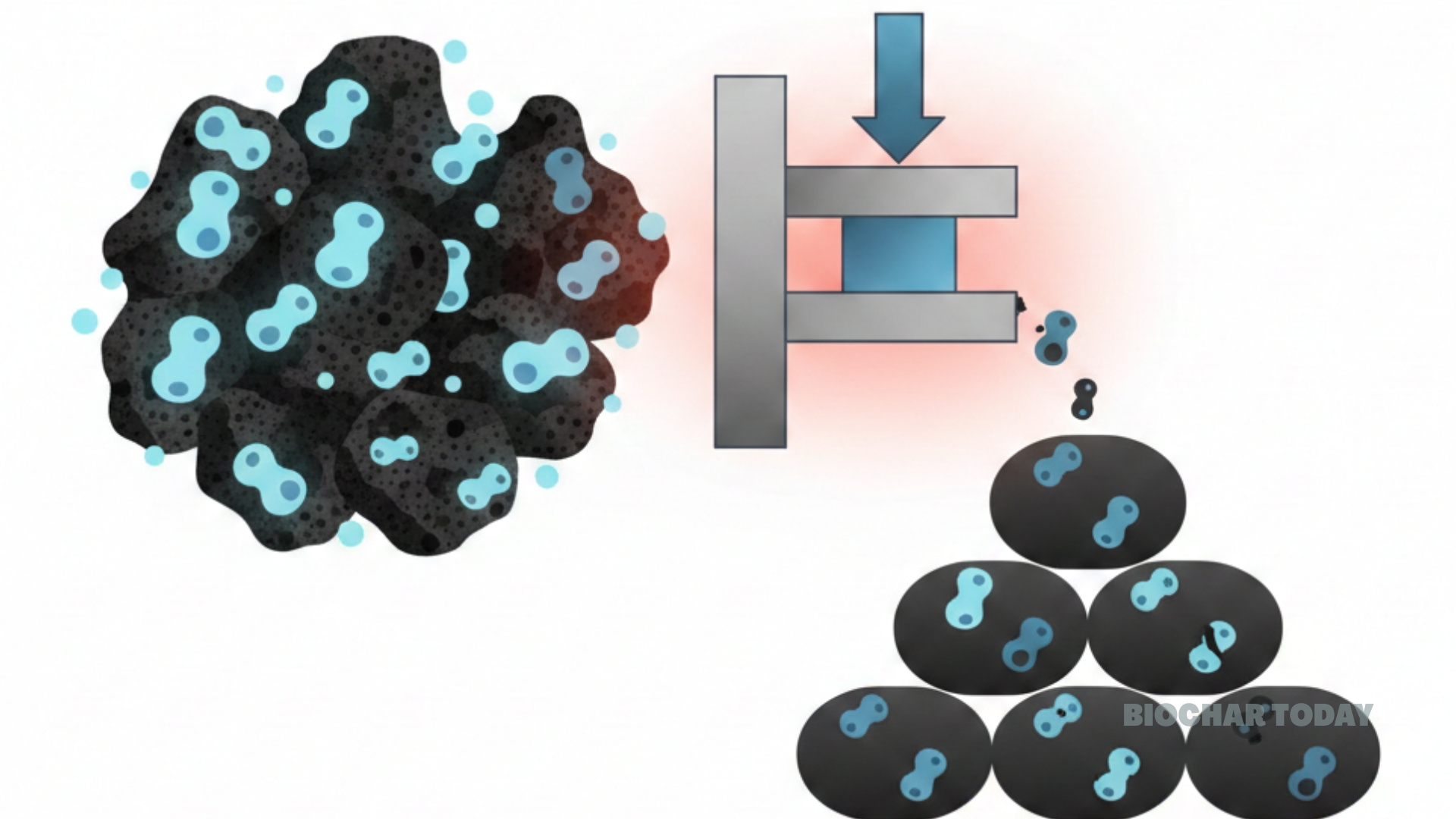
- Processing waste into biochar-based fertilizer pellets can destroy beneficial microorganisms like fungi and protozoa, often reducing their populations to zero.
- High temperatures reached during the manufacturing process, sometimes exceeding 350 degrees Fahrenheit, are the primary cause of death for helpful soil microbes.
- While many microbes die during the drying and coating of fertilizer pellets, some bacteria can survive by entering a protective dormant state.
- Maintaining specific moisture levels and controlling how fast materials move through the machines are essential steps to keeping the final product biologically active.
- Testing showed that soaking the dried fertilizer pellets in water for several days can help some dormant bacteria and protozoa wake up and become active again.
The production of sustainable alternatives to synthetic fertilizers is a growing priority for global agriculture to combat soil degradation and greenhouse gas emissions. In a study published in the journal AgriEngineering, researchers Robiul Islam Rubel, Lin Wei, Abdus Sobhan, and S. M. Shamiul Alam investigated how the industrial process of turning biowaste and biocharBiochar is a carbon-rich material created from biomass decomposition in low-oxygen conditions. It has important applications in environmental remediation, soil improvement, agriculture, carbon sequestration, energy storage, and sustainable materials, promoting efficiency and reducing waste in various contexts while addressing climate change challenges. More into easy-to-use pellets affects the living microorganisms that make these fertilizers effective. While pelleting makes fertilizer easier to store and transport, the researchers found that the high pressure and heat involved in the process create a hostile environment for the very bacteria and fungi intended to help plants grow. This conflict between mechanical efficiency and biological health represents a major hurdle for the biofertilizer industry.
The findings revealed a dramatic decline in microbial life throughout the different stages of production. Initially, when the biochar and potting mix were blended and composted for two weeks, microbial populations actually increased, with fungi reaching a peak concentration. However, as the material moved into the pelleting machine, the combined effects of mechanical shear and frictional heat began to take a toll. After the final stages of drying and coating the pellets with a protective layer, the fungal and protozoan populations were completely eliminated. Even though bacteria proved to be more resilient, their numbers still dropped significantly, leaving a final product that was far less biologically active than the raw starting material.
Quantitative analysis showed that the specific settings of the pelleting machinery directly influenced how many microbes survived. For example, as the moisture content of the feed material was reduced from 35 percent down to 15 percent, the fungal population vanished entirely. Temperature was an even more destructive factor, as increasing the heat of the machine surface from 158 degrees Fahrenheit to over 350 degrees Fahrenheit caused a pronounced reduction in all microbial groups. The researchers also noted that the speed at which the material was fed into the machine played a role, with higher speeds creating more intense physical stress that ruptured delicate microbial cells. These results suggest that the standard industrial methods used today are often too harsh for maintaining high-quality biofertilizers.
Despite the widespread loss of active microbes during manufacturing, the study offered a glimmer of hope regarding microbial recovery. When the researchers soaked the finished, dry pellets in water for four days, they observed that some bacteria and protozoa were able to regain their active populations. This indicates that these organisms had entered a dormant, spore-like state to survive the manufacturing process. However, fungi and certain other bacteria showed no such recovery, suggesting their loss was permanent. Ultimately, the study concludes that if the biochar industry wants to deliver effective living fertilizers to farmers, it must carefully optimize moisture, temperature, and mechanical force to protect these vital biological components during production.
Source: Rubel, R. I., Wei, L., Sobhan, A., & Alam, S. M. S. (2026). Pelletization conditions reduce microbial viability in biochar-based biofertilizers. AgriEngineering, 8(49).



Leave a Reply