
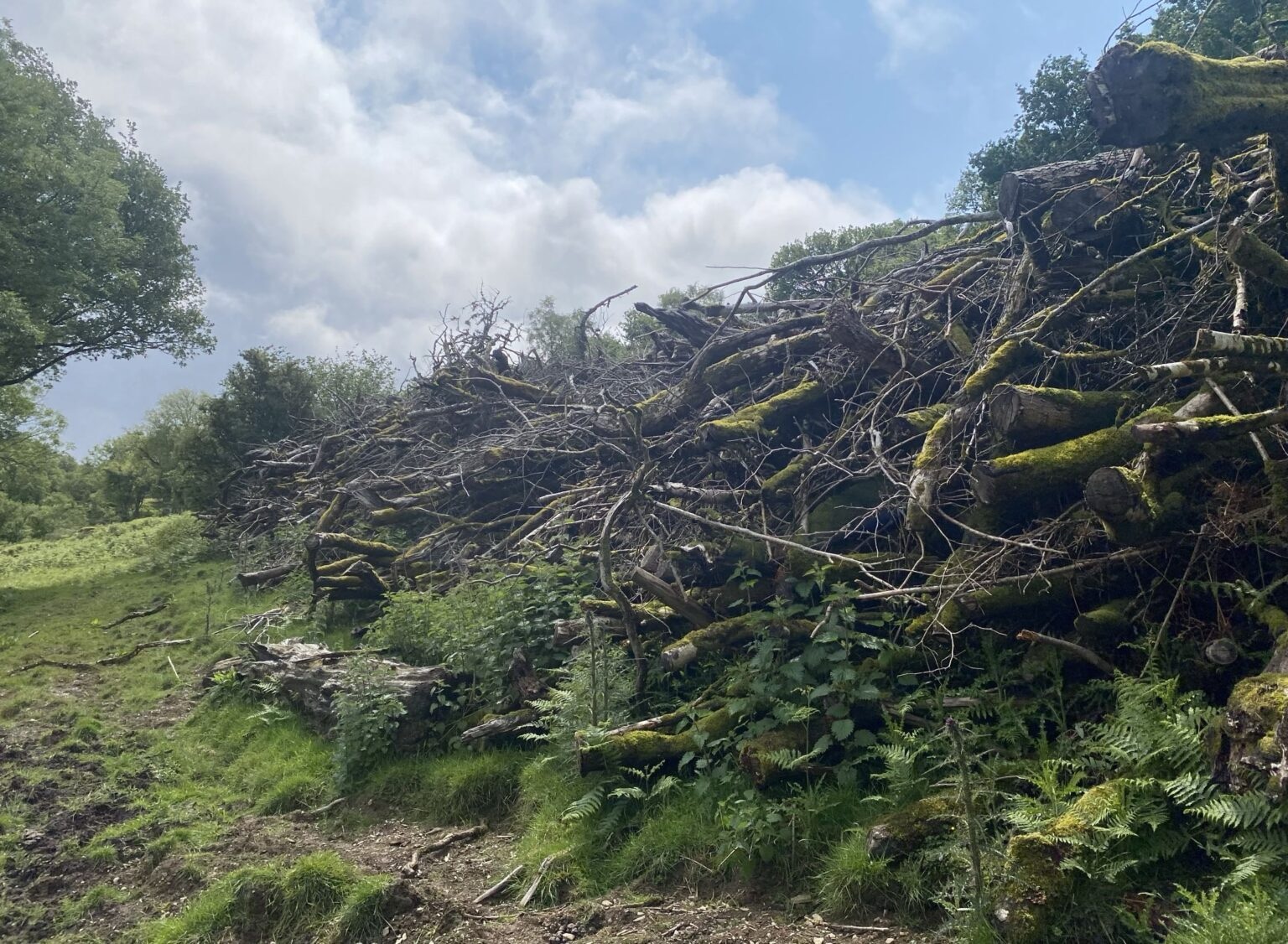
A collaborative initiative in Wales is demonstrating how forestry by-products can be transformed into a valuable asset for agricultural sustainability. Coleg Cambria Llysfasi and carbon removals company BionerG have partnered to convert tree brash, typically discarded branches and foliage, into biocharBiochar is a carbon-rich material created from biomass decomposition in low-oxygen conditions. It has important applications in environmental remediation, soil improvement, agriculture, carbon sequestration, energy storage, and sustainable materials, promoting efficiency and reducing waste in various contexts while addressing climate change challenges. More. This collaboration highlights a practical approach to carbon sequestration and soil enhancement within a circular economy framework.
Coleg Cambria Llysfasi supplies the tree brash, which BionerG processes at their ECKO (Ecology Carbon Knowledge Outreach) Centre. Here, the brash undergoes branch logging and drying before being fed into pyrolysisPyrolysis is a thermochemical process that converts waste biomass into bio-char, bio-oil, and pyro-gas. It offers significant advantages in waste valorization, turning low-value materials into economically valuable resources. Its versatility allows for tailored products based on operational conditions, presenting itself as a cost-effective and efficient More units. This thermal decomposition process, occurring in the absence of oxygen, yields biochar—a stable, carbon-rich material.
The application of biochar to agricultural land offers several benefits. It improves soil health by enhancing water retention and nutrient availability. Furthermore, the carbon within the biochar is sequestered, contributing to a reduction in atmospheric carbon. Dewi Jones, Farm Manager at Coleg Cambria Llysfasi, emphasized the long-term positive impact of this practice on both land management and carbon neutrality.
Chris Clarke, director at BionerG, highlighted the logistical solutions their technology provides for processing tree brash. He noted that early studies suggest using biochar in conjunction with fertilizer could significantly reduce fertilizer requirements, offering both financial and environmental advantages for farmers. This partnership exemplifies a unique approach within the sector, providing Coleg Cambria with biochar for their land and an educational tool for students, while BionerG can demonstrate the economic and ecological potential to the broader agricultural community.
BionerG will host “How to Future-Proof Your Farm” events on July 18th and 19th to showcase these applications and their broader implications for sustainable agriculture, particularly for young professionals entering the field. The initiative not only redefines waste but also presents a tangible pathway for farms to enhance efficiency, reduce costs, and qualify for sustainability grants.





Leave a Reply