

Key Takeaways
- For Best Results, Combine Fertilizers: The most successful and reliable way to grow cucumbers in greenhouses is to use a combination of organic materials (like compost or manure) and chemical fertilizers. This “integrated” approach gives the plants quick nutrients while building long-term soil health.
- Cut Chemical Use and Maintain Yield: By integrating organic fertilizers, growers can safely reduce their use of synthetic nitrogen fertilizers by 20–50% without sacrificing the total amount of cucumber harvested.
- Organic Improves Quality, Chemical Boosts Speed: Organic fertilizers enhance the quality of the cucumbers, leading to better firmness and higher vitamin C content. Chemical fertilizers, however, provide the quick, instant nutrients needed for rapid initial growth and high early yields.
- Chemical-Only Farming Hurts the Soil: Relying solely on chemical fertilizers, especially under intensive cultivation, can damage the soil by increasing salt levels, making the soil more acidic, and harming beneficial soil microbes. This can lead to lower long-term productivity.
Optimizing plant nutrition is crucial for consistent crop yields and quality. A comprehensive review titled “The effect of organic and chemical fertilization on the growth and yield of cucumbers (Cucumis sativus L.) under protected cultivation conditions: Comprehensive review,” published in the Pharaonic Journal of Science, investigates the delicate balance between traditional organic practices and modern chemical fertilization strategies. Authored by Omar Ahmed Fathi Al-Rubaie, Ghadeer Mukhles Mawlood, Omar J. Asr, Mohammed R. Najm, and Ali M. Saadi, the article compiles evidence on how these different fertilization methods affect cucumber growth, yield, fruit quality, soil health, and overall sustainability.
The immediate response of cucumber plants to chemical fertilizers—primarily nitrogen, phosphorus, and potassium (N-P-K) applied via top dressing—is undeniable. These readily available nutrients promote early activity, rapid plant growth, increased leaf area, and high marketable yields due to their instant solubility and controllable dosage. This quick supply is particularly favored for an accelerated crop cycle, which is common in protected cultivation systems. However, this speed comes at a long-term cost. The exclusive and continuous reliance on chemical fertilizers can lead to several significant issues, especially under intensive, year-round production. These detrimental effects include exacerbating soil salinity, causing nutrient imbalances, accelerating soil acidification, and contributing to environmental pollution and groundwater contamination. Furthermore, frequent application can lead to the deterioration of soil structure and a reduction in beneficial soil microbial diversity and activity.
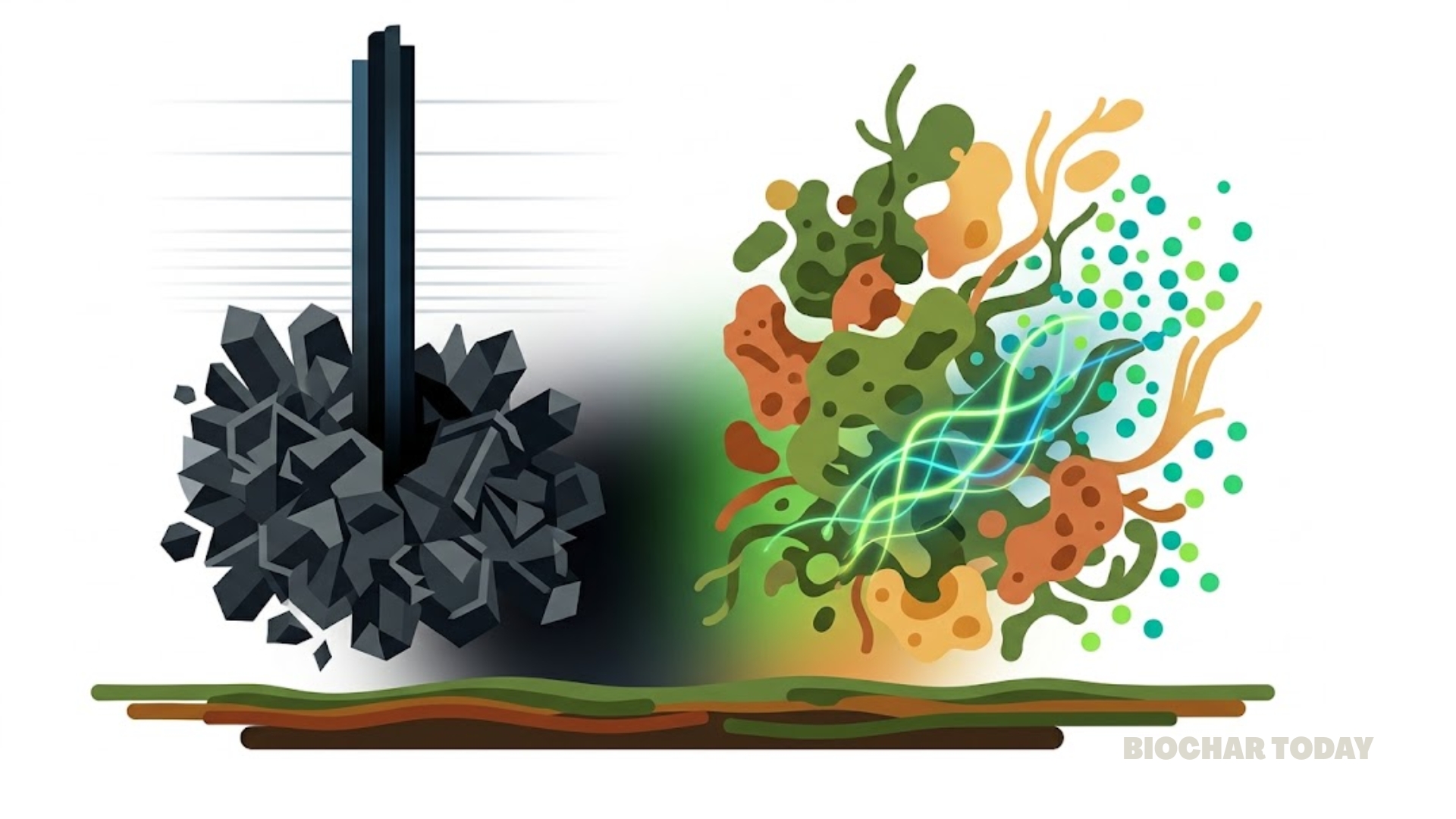
In contrast, organic amendments—such as compost, manure, digestate, biocharBiochar is a carbon-rich material created from biomass decomposition in low-oxygen conditions. It has important applications in environmental remediation, soil improvement, agriculture, carbon sequestration, energy storage, and sustainable materials, promoting efficiency and reducing waste in various contexts while addressing climate change challenges. More, and plant extracts—work by slowly and steadily improving the fundamental health of the soil. They enhance key soil properties like cation exchange capacity, water retention, and microbial activity. By releasing nutrients through a slow decomposition process, organic fertilizers reduce the risk of nutrient losses and leachingLeaching is the process where nutrients are dissolved and carried away from the soil by water. This can lead to nutrient depletion and environmental pollution. Biochar can help reduce leaching by improving nutrient retention in the soil. More, providing a balanced, sustained nourishment throughout the crop’s growing period. This sustained supply often translates into improved fruit quality, including higher dry matter, better firmness, increased soluble solids, and elevated vitamin C content, while also reducing physiological disorders. Beyond quality, organic practices support long-term soil productivity by enhancing soil organic matter and promoting a healthy soil ecosystem.
The key finding across most studies is that neither approach, used exclusively, offers the optimal solution for protected cucumber cultivation. The most reliable results are consistently achieved through Integrated Nutrient Management (INM), which involves combining basic organic amendments with soluble mineral fertilization. This strategic combination captures the best of both worlds: the quick-start growth response and manageable dosage of chemical fertilizers, and the long-term soil health benefits and quality improvements of organic matter.
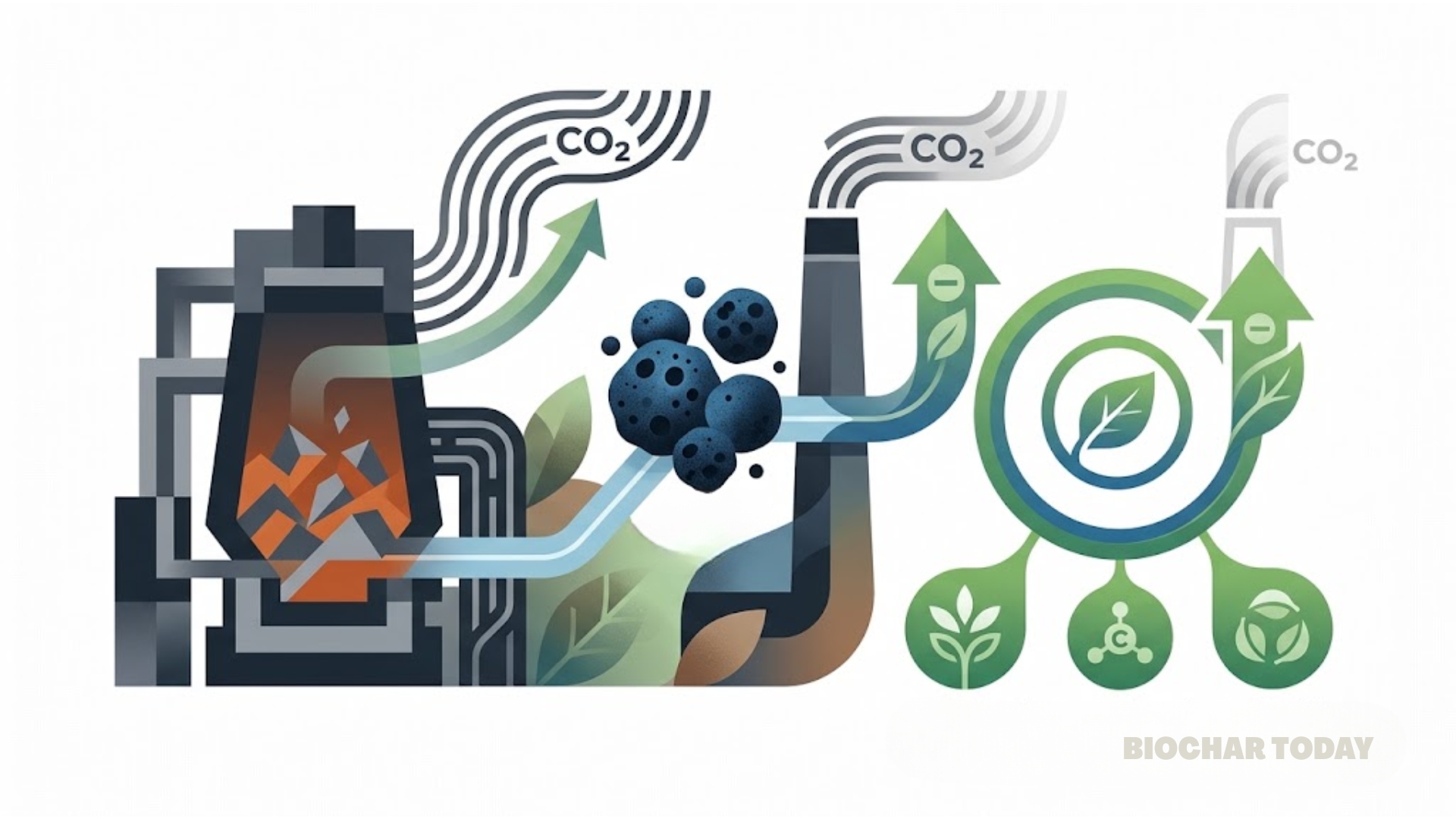
This partial substitution has profound economic and environmental implications. Economic analyses generally favor INM, especially when organic inputs, like compost or manure, are locally available, making it a cost-effective choice for many resource-constrained farmers. Environmentally, replacing a significant portion of chemical fertilizer with organic alternatives is a vital strategy for lowering the carbon footprint and reducing the global warming potential of the agricultural sector, directly addressing the growing need for sustainable and eco-friendly farming practice.
Source: Al-Rubaie, O. A. F., Mawlood, G. M., Asr, O. J., Najm, M. R., & Saadi, A. M. (2025). The effect of organic and chemical fertilization on the growth and yield of cucumbers (Cucumis sativus L.) under protected cultivation conditions: Comprehensive review. Pharaonic Journal of Science, 1(2), 169–183. Sources


Leave a Reply