
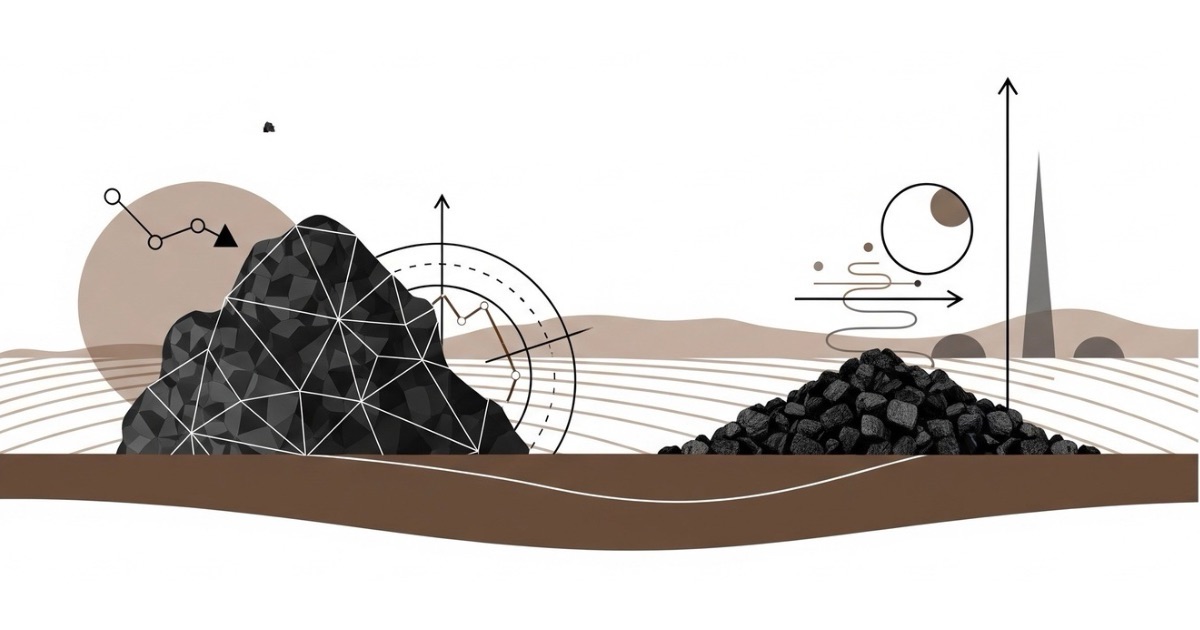
Legislation has been reintroduced in the U.S. Congress to establish a national biocharBiochar is a carbon-rich material created from biomass decomposition in low-oxygen conditions. It has important applications in environmental remediation, soil improvement, agriculture, carbon sequestration, energy storage, and sustainable materials, promoting efficiency and reducing waste in various contexts while addressing climate change challenges. More research network, aiming to significantly advance the understanding and application of this carbon-rich material. The “Biochar Research Network Act of 2025,” introduced in the Senate by Mr. Grassley and Mr. Heinrich, and in the House by Ms. Miller-Meeks and Ms. Pingree, seeks to direct the Secretary of Agriculture to establish a comprehensive research initiative.
The proposed network would consist of up to 20 research sites or facilities, designed to thoroughly test various types of biochar across diverse soil types, soil health conditions, application methods, and climatic and agronomic regions. This extensive testing aims to address several key objectives. Primarily, it intends to assess the soil carbon sequestration potential of different biochars and management systems that integrate biochar use. A deeper understanding of how biochar can productively contribute to climate mitigation, enhance crop production, improve resilience to extreme weather events, and foster overall ecosystem and soil health is also a central goal. Furthermore, the network would be tasked with delivering science-based, region-specific, cost-effective, and practical information to a wide range of land managers and businesses on sustainable biochar production and application.
The scope of the research network is broad, encompassing agriculture, horticulture, rangeland, forestry, and other biochar uses. It will also investigate a wide array of feedstocks, production processes, and application treatments. The research conducted will include cross-site and mechanistic experiments to fill knowledge gaps regarding the impact of biochar on soil properties, plant growth, greenhouse gas emissions, and carbon sequestration under varying conditions. This will involve generating data to develop and validate robust models that predict the full life cycle of greenhouse gas emissions, crop response, and related agronomic and environmental implications of specific biochar applications. The network will also contribute to insights on thermochemical conversion processes in biochar production and the coproduction of biochar and bioenergy, including feedstockFeedstock refers to the raw organic material used to produce biochar. This can include a wide range of materials, such as wood chips, agricultural residues, and animal manure. More interactions with reactor conditions. Additionally, it aims to develop and validate testing methodologies for biochar to identify potential contaminants or unintended consequences.
Site-specific farm and forestry systems assessments, along with pilot-scale biochar production and application systems, are also part of the research plan. These assessments will refine promising soil-based uses, sources, and application methods of biochar to enhance productivity, increase profitability, reduce greenhouse gas emissions, improve ecosystem and soil health, and strengthen resilience to extreme weather events. The research will also focus on developing new knowledge to support decisions on sustainable biochar production and use, collecting data for comprehensive life cycle greenhouse gas and economic analyses, and predicting various outcomes for specific biochar technology implementations. A crucial aspect of the network’s function will be to share research results with farmers, ranchers, foresters, extension agents, and other stakeholders to inform them on the most advantageous ways to use biochar.
Eligibility for participation in the research network extends to State agricultural experiment stations, State forestry experiment stations, and research facilities of various federal agencies, including the Agricultural Research Service, the Forest Service, the Department of Energy, the Department of Commerce, and the Department of the Interior. The network will be administered by the Administrator of the Agricultural Research Service in partnership with leaders from these various departments and agencies. The Secretary, through the Chief of the Natural Resources Conservation Service, may also develop or revise practice standards informed by the network’s research and coordinate activities with conservation program technical and financial support for biochar. To fund these extensive efforts, the bill authorizes an appropriation of $50,000,000 for each fiscal year from 2025 through 2030.



Leave a Reply