
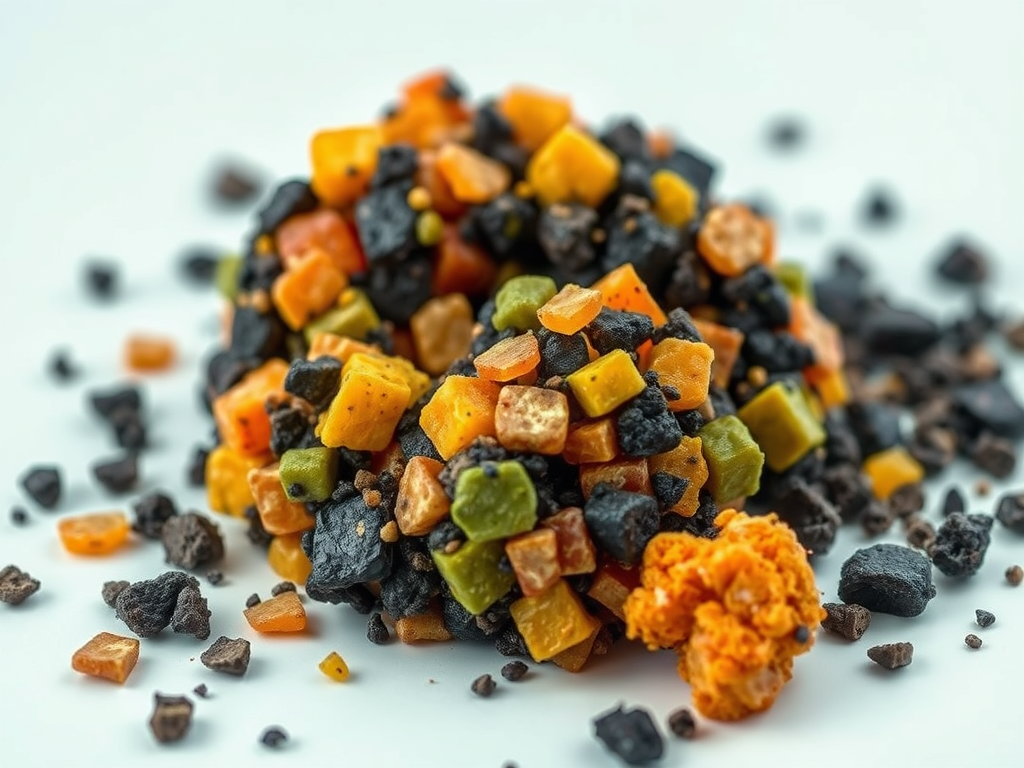
A growing emphasis on sustainability in material design is driving the search for eco-friendly alternatives to synthetic additives. In the elastomer industry, this means replacing conventional fillers like carbon black with materials from renewable resources and using natural stabilizers to combat degradation. A study published in the journal Polymers by Justyna Miedzianowska-Masłowska and her colleagues investigated the use of biocharBiochar is a carbon-rich material created from biomass decomposition in low-oxygen conditions. It has important applications in environmental remediation, soil improvement, agriculture, carbon sequestration, energy storage, and sustainable materials, promoting efficiency and reducing waste in various contexts while addressing climate change challenges. More, an environmentally friendly filler from wheat straw, along with natural antioxidants like thymol, quercetin, and caffeic acid in natural rubber composites. Their goal was to see if these natural compounds could provide stabilizing properties comparable to or better than the synthetic antioxidant, butylated hydroxytoluene (BHT).
The researchers prepared various natural rubber composites, all filled with 20 parts per hundred parts of rubber (phr) of biochar. They then added different amounts (3 or 6 phr) of the natural antioxidants or the synthetic BHT. Biochar significantly influenced the rubber’s properties, acting as an activator in the vulcanization process. It increased the compound’s stiffness and crosslinking density, which led to higher tensile strength but a slight decrease in elongation at break. However, the study found a major drawback: biochar contains mineral components that can accelerate oxidative degradation and weaken the material’s network structure during thermo-oxidative aging. The composite with only biochar saw its crosslinking density drop by over 33% after thermo-oxidative aging and its tensile strength plummet from 18.2 MPa to 7.8 MPa.
The addition of antioxidants was crucial to counteract this degradation. Both the synthetic BHT and the natural thymol were highly effective, significantly limiting the decrease in crosslinking density caused by thermo-oxidative aging. They scavenged free radicals, which protected the elastomer network. After UV aging, samples with thymol and BHT showed an increase in crosslinking density, indicating beneficial secondary crosslinking had occurred.
The natural phenolic compounds, quercetin and caffeic acid, also showed impressive protective abilities. The sample with caffeic acid stood out, showing an increase in tensile strength from an initial 5.1 MPa to 7.7 MPa after thermo-oxidative aging and a jump to 13.5 MPa after UV exposure, as measured by a K value greater than 3. This demonstrated that caffeic acid promoted controlled, UV-induced secondary crosslinking. Quercetin also helped limit degradation and promoted photochemical crosslinking, although its effects were slightly less pronounced.
In conclusion, the study validates that natural antioxidants can serve as effective, eco-friendly stabilizers in elastomer composites. While biochar improves initial mechanical properties, it also makes the composite susceptible to degradation. The incorporation of natural compounds like thymol, quercetin, and particularly caffeic acid, effectively mitigates this issue and even promotes beneficial secondary crosslinking to enhance the material’s durability and longevity under environmental stress. This research marks a significant step toward developing more sustainable rubber products.
Source: Miedzianowska-Masłowska, J.; Kaczmarek, K.J.; Masłowski, M. Biochar and Natural Antioxidants as Components of Eco-Friendly Elastomer Composites. Polymers 2025, 17, 2351. .



Leave a Reply