
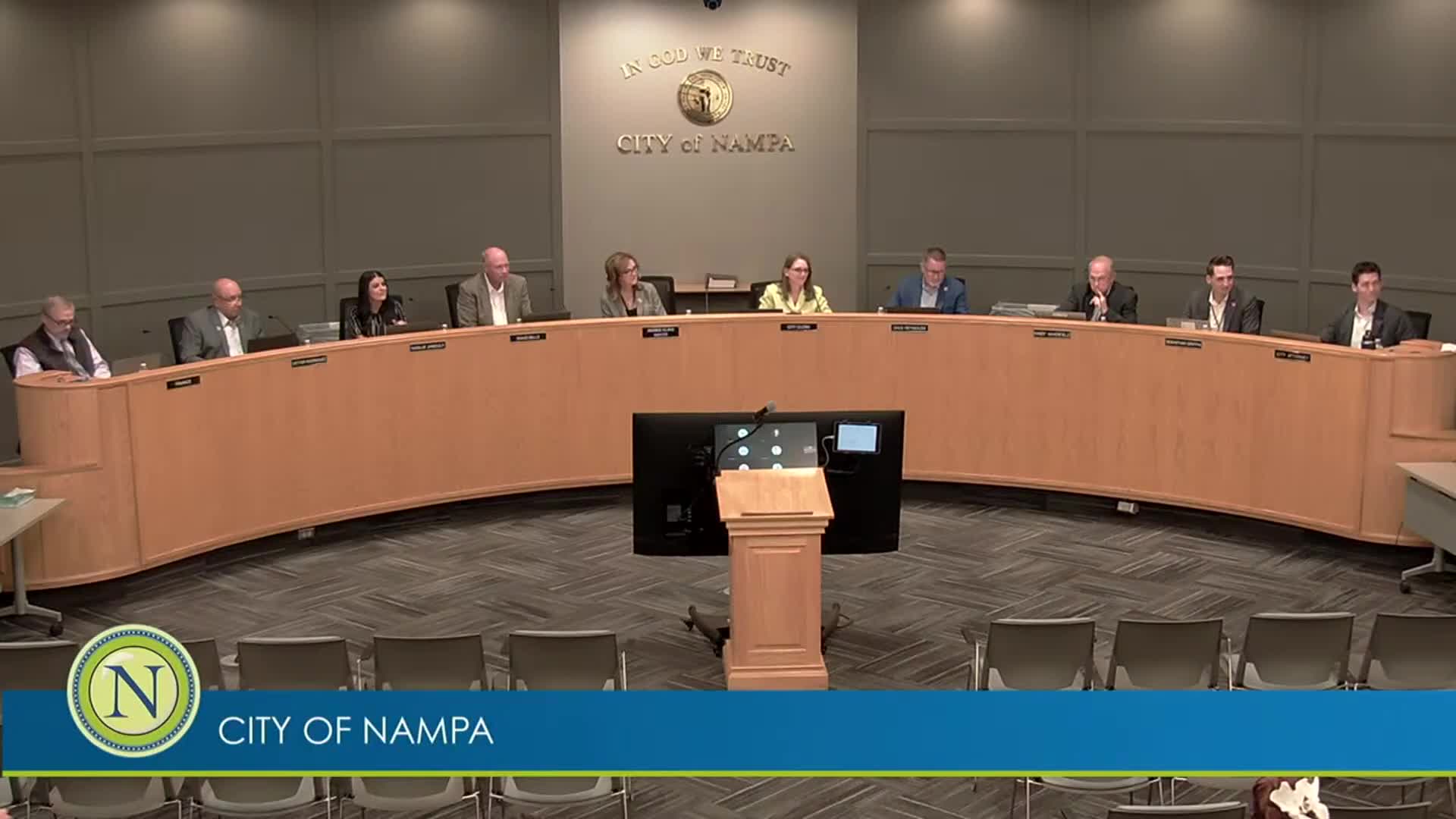
The Nampa City Council in the United States recently approved a multi-faceted agreement to bring a refurbished NRGX IE-60 pyrolysisPyrolysis is a thermochemical process that converts waste biomass into bio-char, bio-oil, and pyro-gas. It offers significant advantages in waste valorization, turning low-value materials into economically valuable resources. Its versatility allows for tailored products based on operational conditions, presenting itself as a cost-effective and efficient More bioreactor to the city’s water renewal plant. The Idaho city council authorized both a lease-purchase agreement and a separate contract for an initial demonstration project, which will assess the technology’s effectiveness using local materials.
The pyrolysis unit utilizes a zero-oxygen thermal conversion process, operating at approximately 1,800 degrees Fahrenheit, to convert dried biosolids and wood feedstockFeedstock refers to the raw organic material used to produce biochar. This can include a wide range of materials, such as wood chips, agricultural residues, and animal manure. More into valuable end products. This method generates a syngasSyngas, or synthesis gas, is a fuel gas mixture consisting primarily of hydrogen and carbon monoxide. It is produced during gasification and can be used as a fuel source or as a feedstock for producing other chemicals and fuels. More that can power a gas-to-power engine, alongside a solid carbon product (biocharBiochar is a carbon-rich material created from biomass decomposition in low-oxygen conditions. It has important applications in environmental remediation, soil improvement, agriculture, carbon sequestration, energy storage, and sustainable materials, promoting efficiency and reducing waste in various contexts while addressing climate change challenges. More or granular carbon). Senior Public Works Director Tom Points presented conservative financial modeling to the council, projecting a payback period of six to eight years under worst-case production scenarios.
The primary objective of the initial demonstration is rigorous verification. City staff and company representatives emphasized the need to move beyond external data and verify actual gas volumes, methane content, energy output (BTUs per pound), and carbon product characteristics specifically using Nampa’s biosolids and locally sourced wood feedstock. The initial funding, totaling no more than $1,382,000 for the refurbished unit and first-month payment, will be reallocated from an existing enterprise fund.
To mitigate implementation and financial risks, staff structured the deal to include a potential vendor buyback clause should the unit underperform during the demonstration phase. Additionally, the city’s financial advisors outlined a strategy to refinance the lease at a potentially lower interest rate if the demonstration proves successful, addressing concerns over the initial financing structure and a required end-of-lease balloon payment. The vendor, NRGX, addressed council inquiries by noting the holding company integrates legacy technologies and teams with over 20 years of field experience.
If the demonstration phase confirms the modeled performance, the project is expected to yield multiple public benefits. These include enhanced resilience for the water plant during power outages, a reduction in landfill disposal volumes, and the creation of potential new revenue streams from generated electricity, pipeline-quality gas, or refined carbon products. Crucially, the technology offers a means to destroy persistent organic pollutants like PFAS chains within the biosolids.
The next steps involve staff finalizing the lease and financial documents, arranging the unit’s shipping and assembly, and commencing the feedstock sampling program. Success hinges on confirming technical performance, negotiating a successful air permit, and securing viable off-take markets for the generated power and carbon. The council’s decision marks an official commitment to testing this advanced thermal conversion technology as a long-term solution for sustainable biosolids management.





Leave a Reply