
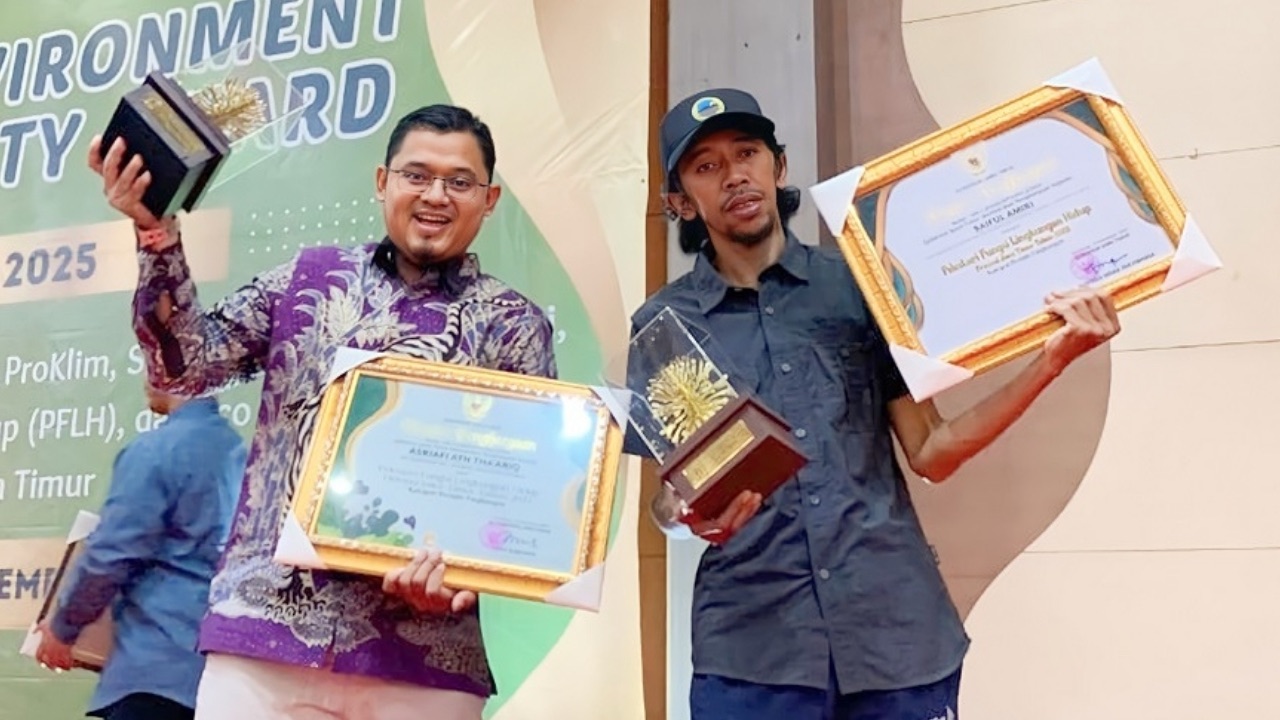
In Indonesia, specifically within the East Java province, the provincial government recently recognized two environmental leaders from the Lumajang Regency during the Jatim Environment Award 2025. Pj. Bupati Lumajang Indah Wahyuni formally celebrated the achievements of Muhammad Khoirul Abid and Siti Masfufah for their significant contributions to regional environmental sustainability. Abid, representing the Gubuk Bambu Waste Bank, was specifically honored for his technical work in integrating biocharBiochar is a carbon-rich material created from biomass decomposition in low-oxygen conditions. It has important applications in environmental remediation, soil improvement, agriculture, carbon sequestration, energy storage, and sustainable materials, promoting efficiency and reducing waste in various contexts while addressing climate change challenges. More into local agricultural systems and waste processing workflows.
The primary challenge addressed by these leaders involves the systemic management of organic waste and the concurrent need for improved soil productivity in the Lumajang region. Conventional waste disposal methods in the regency often fail to adequately process the high volume of biomassBiomass is a complex biological organic or non-organic solid product derived from living or recently living organism and available naturally. Various types of wastes such as animal manure, waste paper, sludge and many industrial wastes are also treated as biomass because like natural biomass these More generated by local activities, leading to environmental degradation. Furthermore, the agricultural sector requires sustainable interventions to maintain soil health and fertility without relying exclusively on chemical inputs, which can diminish long-term ecosystem stability and increase farmer overhead costs.
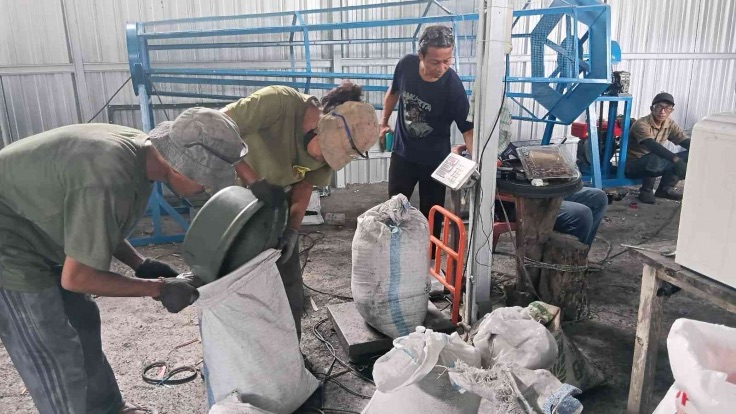
To mitigate these issues, Muhammad Khoirul Abid implemented a decentralized waste management model through the Gubuk Bambu Waste Bank that utilizes biochar production as a core processing technology. This approach converts organic residues and biomass into biochar, providing a stable carbon amendment for local soil. This technical solution transforms what was previously categorized as waste into a valuable resource for the agricultural sector, effectively creating a circular economy model that reduces the environmental footprint of the regency’s waste streams.
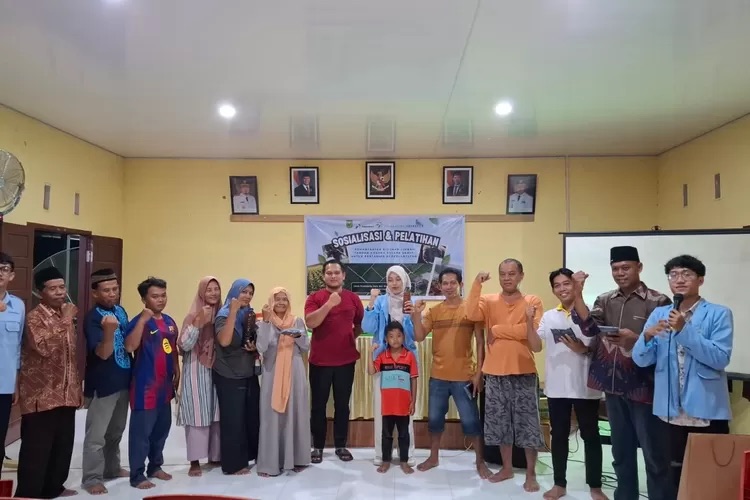
The outcomes of these initiatives include significant environmental improvements and official validation from the East Java Department of Environment. The Jatim Environment Award 2025 serves as a testament to the scalability and efficacy of biochar-based waste management when paired with community-driven organizations. Beyond the measurable ecological impact, the recognition of the Gubuk Bambu and D’Sultan waste banks has fostered greater community engagement in environmental stewardship. The provincial government highlighted that such grassroots leadership is essential for achieving broader sustainability targets.

Leave a Reply