
Key Takeaways
- BiocharBiochar is a carbon-rich material created from biomass decomposition in low-oxygen conditions. It has important applications in environmental remediation, soil improvement, agriculture, carbon sequestration, energy storage, and sustainable materials, promoting efficiency and reducing waste in various contexts while addressing climate change challenges. More and iron can clean up nearly all of a common weed killer in the soil within just one week.
- The treatment helps maize plants grow a protective shield on their roots that blocks toxic chemicals from entering the plant.
- Using this technology can triple the weight of crops grown in polluted soil compared to those grown without any help.
- The process is safe for the environment and helps maintain a healthy balance of beneficial bacteria in the ground.
- This solution is very affordable to produce, costing only a fraction of what similar cleaning materials usually cost.
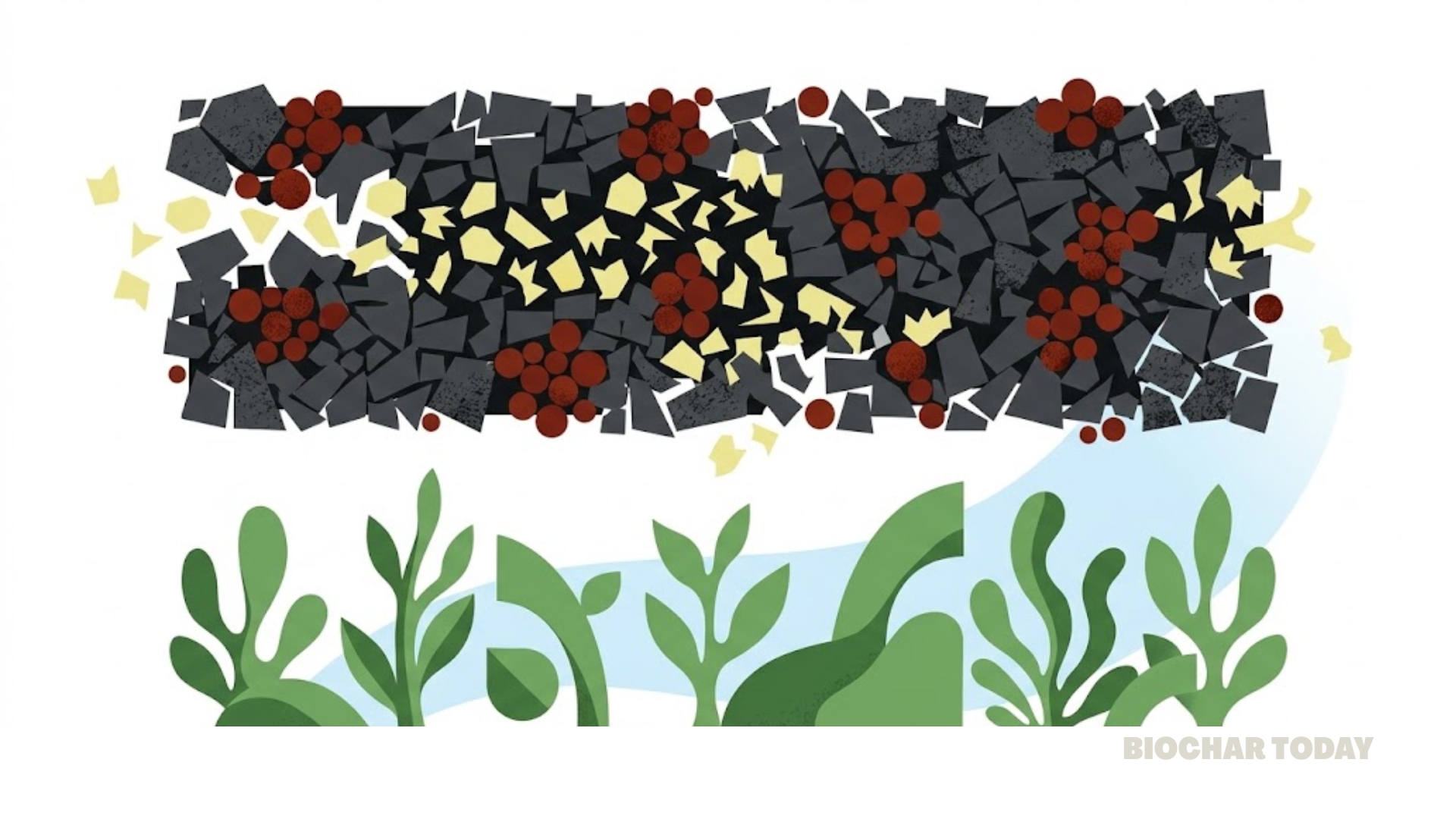
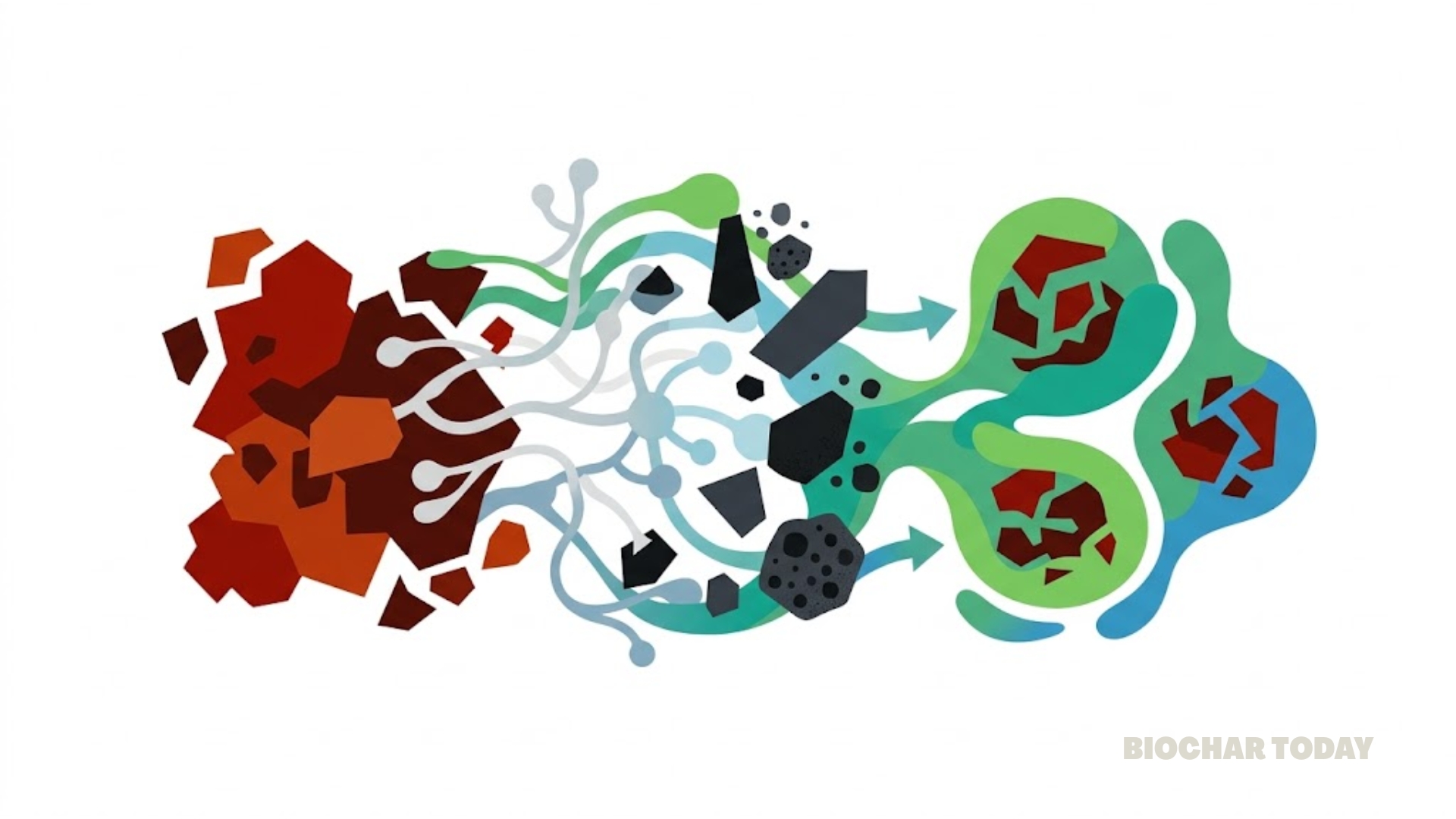
Agricultural herbicide contamination remains a critical threat to global food safety, often leading to stunted crop growth and the accumulation of toxic residues in the food supply. In a study published in the journal Biochar, researchers Xiangyu Zhang, Peng Zhang, and their colleagues developed a high-performance material that addresses these challenges by combining nitrogen-doped biochar with iron particles. This innovative nanocomposite works through a dual-action mechanism that cleans the soil while simultaneously creating a biological barrier for the plant. By modifying the electronic structure of the iron with nitrogen and carbon, the team created a catalyst that is significantly more reactive than traditional iron treatments, allowing it to break down persistent chemicals at an accelerated pace.
The researchers found that the material was exceptionally effective at destroying acetochlor, a widely used but carcinogenic herbicide. In experimental trials, the nanocomposite achieved nearly total removal of the herbicide in just three weeks, far surpassing the results of natural attenuation or standard iron powders. This rapid detoxification is essential for modern agriculture, where farmers often have very little time between crop rotations to prepare the soil. The material works by attracting the herbicide molecules to its surface and then using its enhanced electron-donating capacity to pull the chemicals apart, turning them into less harmful substances. This process significantly reduced the stress on the crops, allowing them to thrive in conditions that would otherwise be toxic.
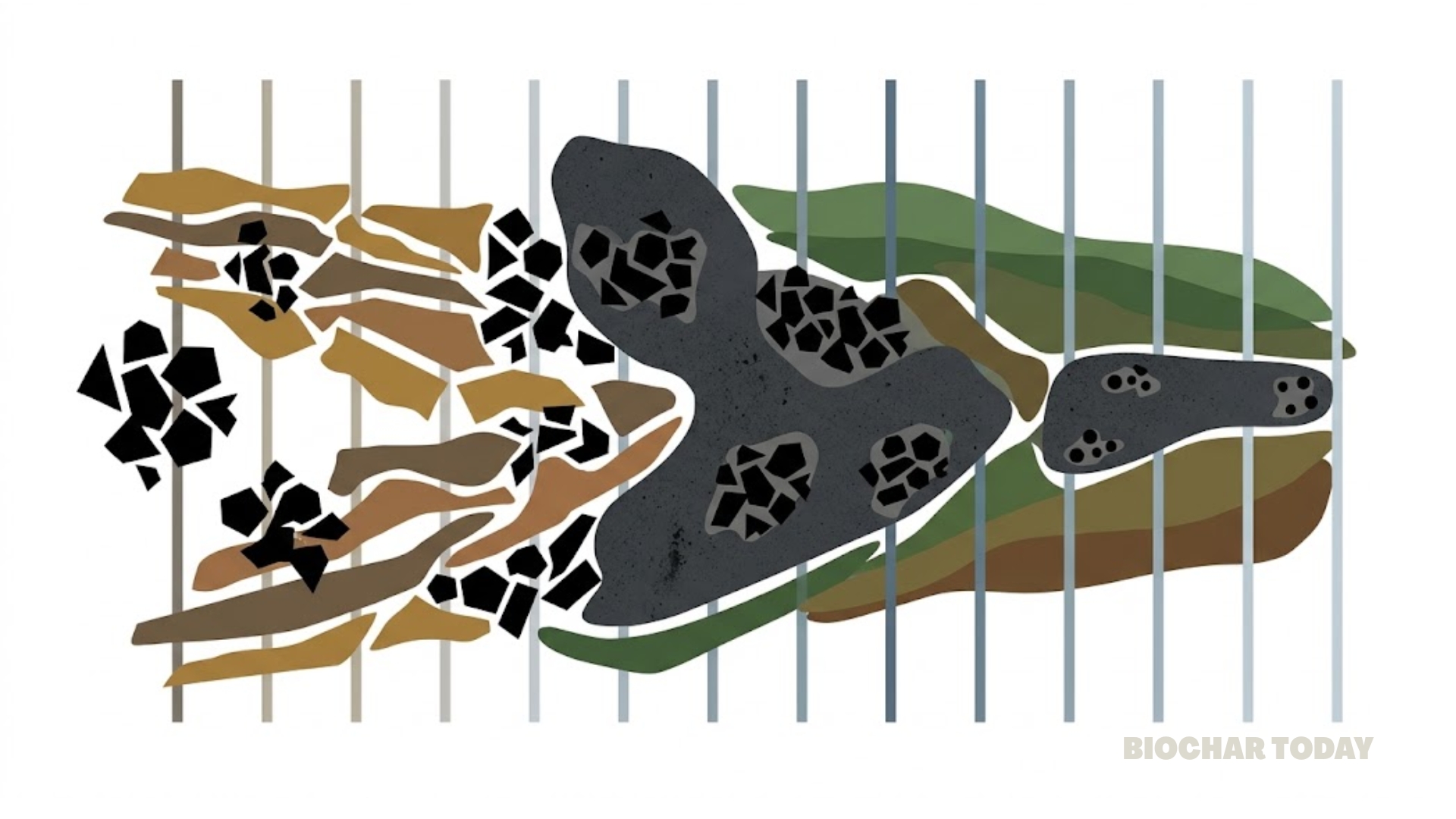
Beyond simply cleaning the soil, the treatment introduced a secondary layer of protection by stimulating the formation of iron plaques on the roots of maize plants. These plaques act as a physical and chemical filter, trapping both the original herbicide and its potentially mobile breakdown products before they can enter the plant’s vascular system. The study showed that these root shields were responsible for an 81.2% reduction in the total concentration of hazardous substances within the maize tissues. Remarkably, while these shields blocked the toxins, they did not prevent the plants from absorbing necessary iron nutrients. This selective barrier ensures that the resulting harvest is not only larger but also much safer for human consumption.
The environmental impact of the treatment was also a primary focus of the research. The team observed that the application of the nanocomposite actually helped restore the health of the soil by preserving and even enhancing microbial diversity. Toxic herbicides typically kill off beneficial soil bacteria, but the rapid removal of these chemicals by the new material allowed the microbial community to recover to a state similar to that of uncontaminated soil. The study highlighted the enrichment of specific bacteria known to participate in the natural breakdown of organic pollutants, suggesting a synergistic relationship between the man-made catalyst and nature’s own cleaners. This ecological compatibility makes the technology a sustainable choice for long-term land management.
From an economic perspective, the researchers demonstrated that their biochar-iron composite is highly viable for large-scale agricultural use. By using a synthesis method called ball milling, they were able to produce the material with low energy consumption and at a cost roughly ten times lower than that of existing high-tech iron nanoparticles. The use of rice straw biochar as a base further adds to the sustainability of the project by repurposing agricultural waste into a high-value environmental tool. This combination of high efficiency, crop safety, and low cost provides a powerful new pathway for protecting global food security and restoring land affected by industrial farming chemicals.
Source: Zhang, X., Zhang, P., Jiao, L., Zhang, Y., Sun, H., & Liu, C. (2026). Novel multi-interface regulation of acetochlor fate in a soil-plant system using N-doped biochar-modified zero-valent iron nanocomposites for enhanced degradation and protective root iron plaque formation. Biochar, 8(48).


Leave a Reply