
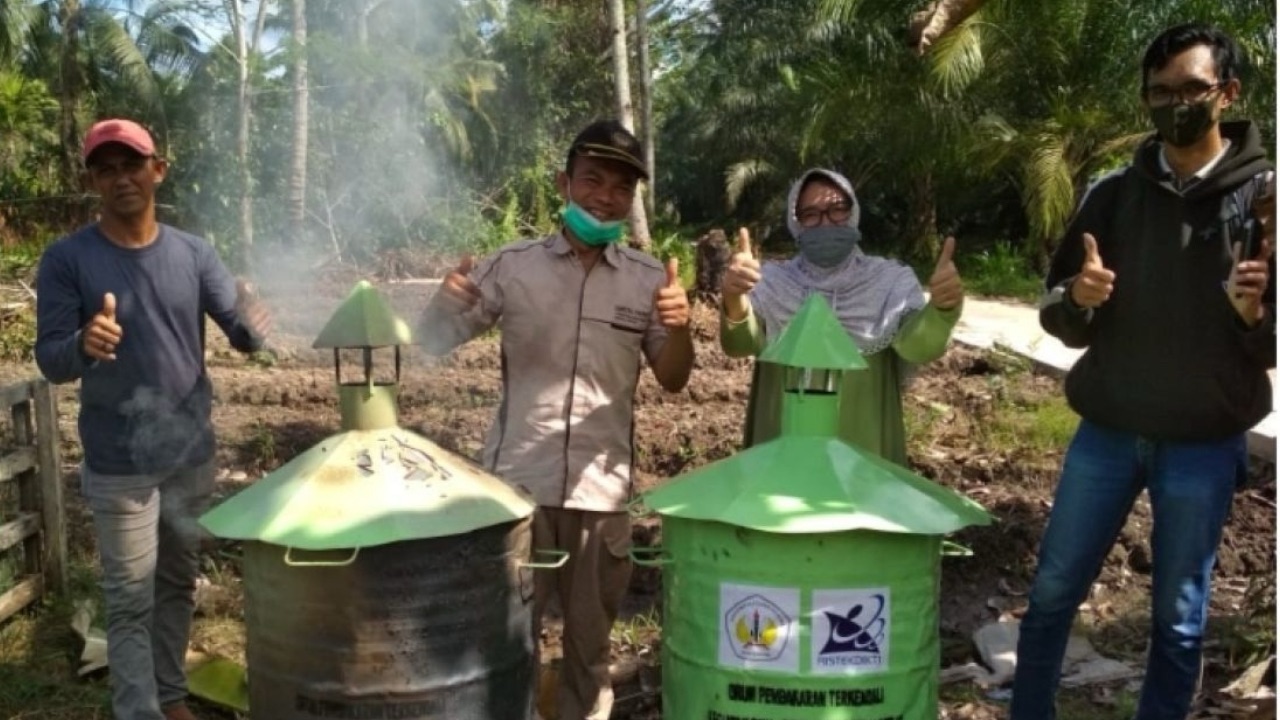
In Indonesia, recent analysis by the Ministry of Agriculture and the National Research and Innovation Agency (BRIN) positions biocharBiochar is a carbon-rich material created from biomass decomposition in low-oxygen conditions. It has important applications in environmental remediation, soil improvement, agriculture, carbon sequestration, energy storage, and sustainable materials, promoting efficiency and reducing waste in various contexts while addressing climate change challenges. More as a critical dual-function technology for the agricultural sector. Referred to as “black gold,” biochar is being championed not only for its ability to rehabilitate degraded soils but also for its capacity to serve as a long-term carbon sink. By converting abundant biomassBiomass is a complex biological organic or non-organic solid product derived from living or recently living organism and available naturally. Various types of wastes such as animal manure, waste paper, sludge and many industrial wastes are also treated as biomass because like natural biomass these More waste—such as rice husks, corn cobs, and palm shells—into a stable soil amendmentA soil amendment is any material added to the soil to enhance its physical or chemical properties, improving its suitability for plant growth. Biochar is considered a soil amendment as it can improve soil structure, water retention, nutrient availability, and microbial activity. More, the nation is moving toward a regenerative agricultural model that addresses both productivity and environmental stewardship.
Indonesian farmers face the difficult task of maintaining food security on land that is increasingly degraded, acidic, and low in carbon, all while under pressure to reduce the use of chemical inputs. Furthermore, the lack of standardized quality control for biochar production has historically hindered widespread adoption, creating inconsistency in results and limiting market confidence.
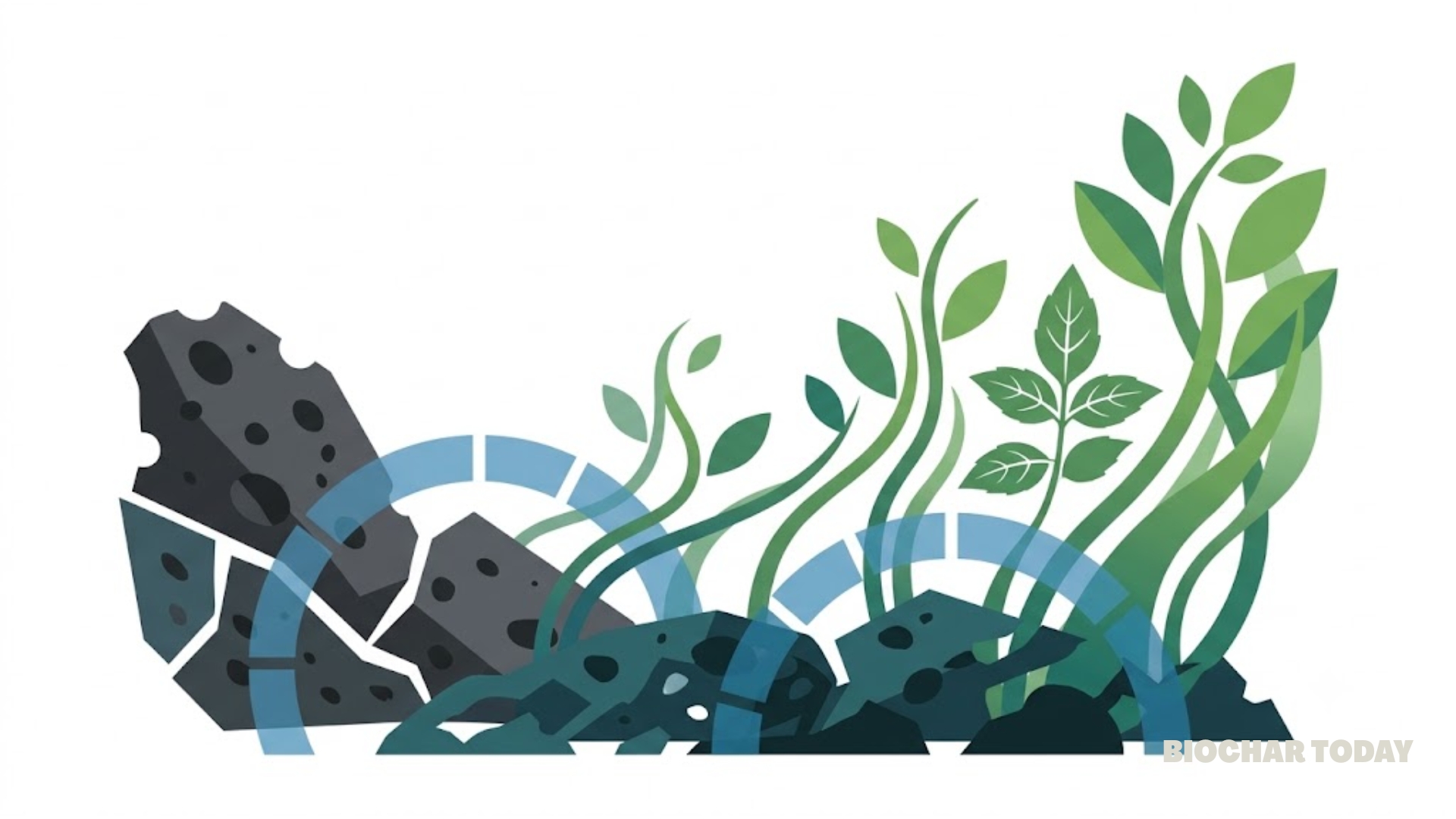
To solve these issues, researchers have validated specific biochar applications through initiatives like the GENTA ORGANIK demonstration plots and Biotron technology. These solutions utilize a “microbiome–matrix–microbiome” mechanism, where biochar provides a stable habitat for beneficial soil microorganisms. This synergy stabilizes organic carbon, neutralizes pHpH is a measure of how acidic or alkaline a substance is. A pH of 7 is neutral, while lower pH values indicate acidity and higher values indicate alkalinity. Biochars are normally alkaline and can influence soil pH, often increasing it, which can be beneficial More, and improves water retention. Crucially, the push for a National Standard (SNI) for diverse biomass sources aims to regularize production quality, ensuring that biochar can be reliably used for both agronomic improvement and carbon trading markets.
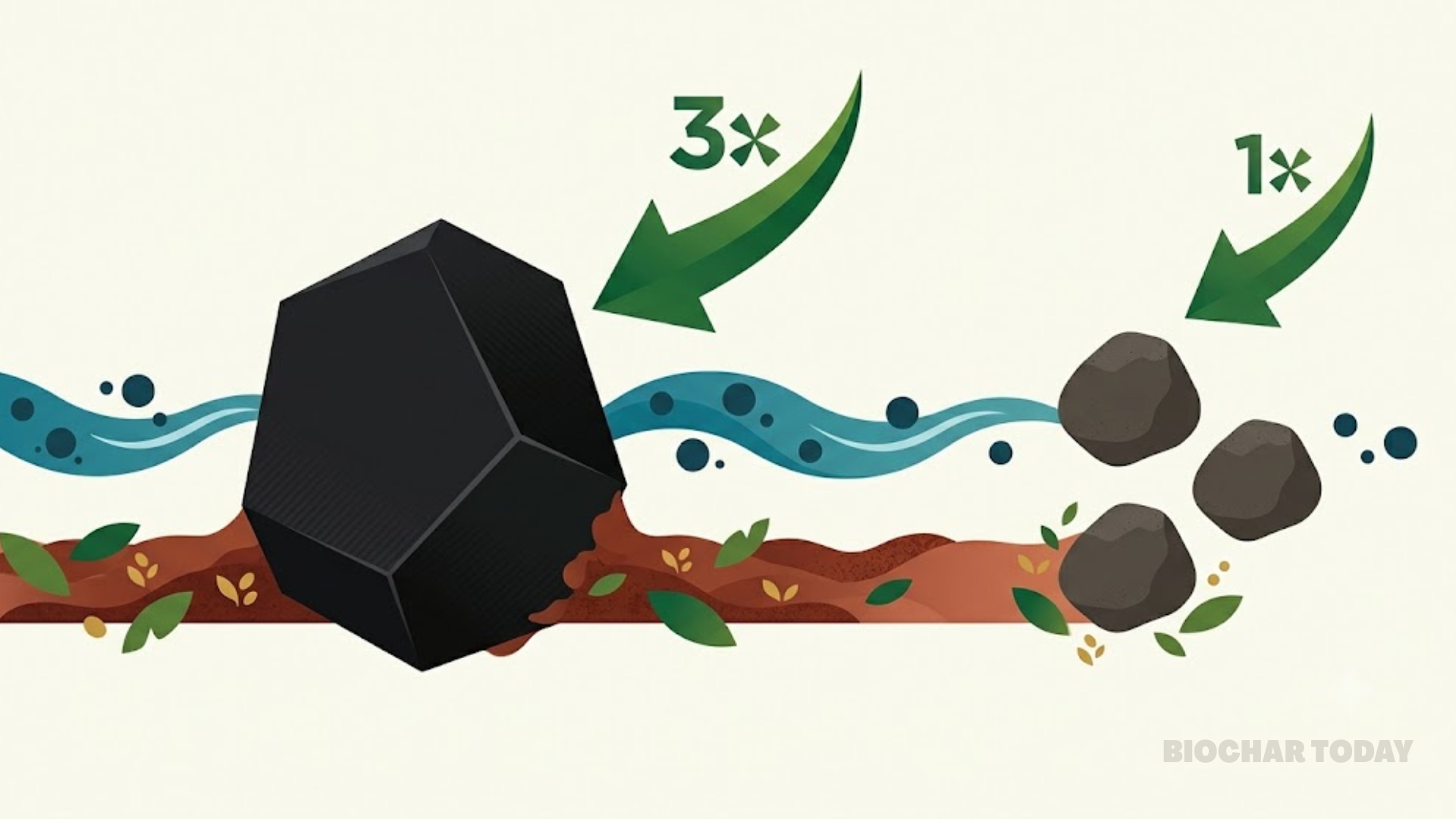
The outcomes of these trials are substantial. Field data indicates that biochar application has increased paddy yields by 8 to 36 percent while reducing chemical fertilizer needs by 20 to 60 percent. On a national scale, this reduction in fertilizer dependence could save the economy approximately USD 4.6 billion annually. Additionally, utilizing agricultural waste for biochar production offers a potential USD 565 million per year in carbon credits.


Leave a Reply