
Key Takeaways
- Scientists have developed a way to turn waste pork bones into a micro-sized charcoalCharcoal is a black, brittle, and porous material produced by heating wood or other organic substances in a low-oxygen environment. It is primarily used as a fuel source for cooking and heating. More that helps rice grow safely in polluted soil.
- This bone-based charcoal traps harmful metals like cadmium in the ground, preventing them from entering the rice plants and ending up in the food we eat.
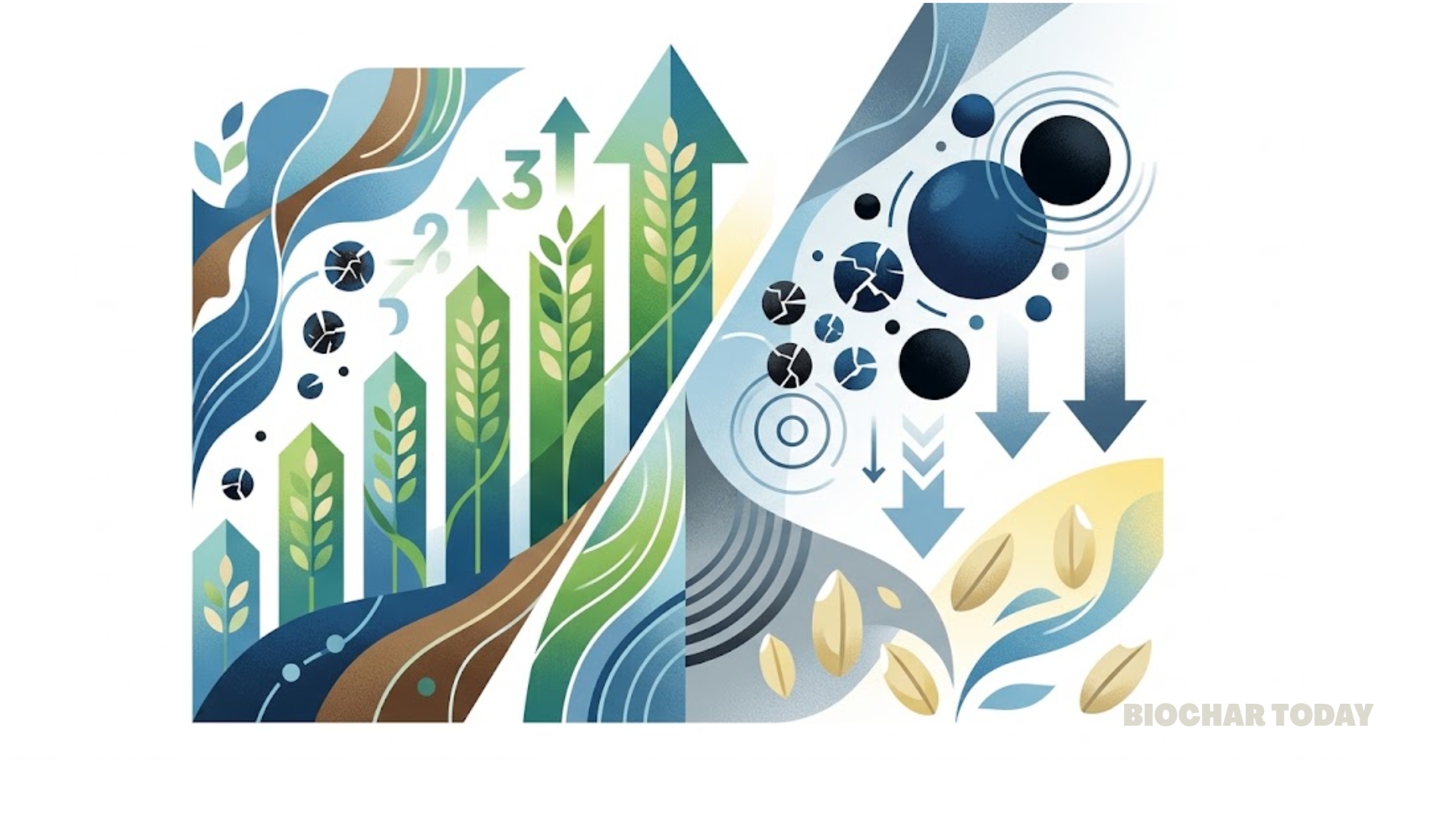
- Adding this material to soil can significantly boost the amount of rice harvested, nearly doubling the yield in some cases compared to polluted soil without treatment.
- The treatment also improves the health of the soil by supporting beneficial bacteria and helping plants get more essential nutrients like phosphorus.
- This discovery provides a low-cost, eco-friendly solution for farmers to produce healthier crops and better food for human consumption.
Published in the journal BiocharBiochar is a carbon-rich material created from biomass decomposition in low-oxygen conditions. It has important applications in environmental remediation, soil improvement, agriculture, carbon sequestration, energy storage, and sustainable materials, promoting efficiency and reducing waste in various contexts while addressing climate change challenges. More by Anqi Liang, Chuanxin Ma, and their research team, this study addresses the global challenge of heavy metal pollution in agricultural land. Cadmium is a highly mobile and toxic metal that rice plants easily absorb from the soil, leading to contaminated grains that pose serious health risks to humans. To combat this, the researchers created micro-nanoscale bone char from waste pork bones through a process of high-temperature heating and mechanical grinding. This specialized material was then tested over a full 140-day rice growth cycle to see how it affected crop production and the safe accumulation of metals in the final food product.
The results showed that the bone-derived charcoal acts as a powerful soil healer. In soil heavily polluted with cadmium, rice plants usually struggle, showing stunted growth and producing smaller panicles. However, when the soil was treated with bone char produced at 600 degrees Celsius, the average grain yield per pot jumped by nearly 50 percent compared to polluted soil without the treatment. Furthermore, a version of the char produced at 400 degrees Celsius helped the plants develop 23 percent more effective tillers, which are the stems that bear the grain-filled panicles. This demonstrates that the material not only protects the plants from toxicity but actively promotes more robust growth.
Perhaps the most important finding for food safety was the dramatic reduction of cadmium in the rice tissues. The bone char effectively “locked” the toxic metal in the soil, preventing it from traveling up into the plant. In the final harvested polished rice—the part most commonly eaten by people—the cadmium levels dropped by 65 to 68 percent. The researchers discovered that the bone char, which is naturally rich in calcium and phosphorus, creates a chemical environment that transforms cadmium into less harmful, stable forms. This ensures that the rice produced meets safety standards even when grown in challenging, contaminated conditions.
Metabolic and genetic testing provided deeper insight into how this change occurs at a molecular level. The study revealed that the bone char helps the rice grains maintain higher nutritional quality by slowing down the breakdown of essential carbohydrates and amino acids. This preservation of nutrients means the rice is not only safer to eat but also potentially more nutritious. In the soil itself, the bone char significantly altered the microbial community. It encouraged the growth of beneficial bacteria that help cycle nutrients like nitrogen and phosphorus, making the soil more fertile. The complexity of the phosphorus gene network in the soil increased, which helps plants access this vital nutrient more easily.
The environmental implications of this research are significant. By using waste pork bones, the strategy promotes a circular economy where food waste is turned into a high-value agricultural tool. The researchers conducted a cost-benefit analysis showing that while applying the bone char has an initial cost, the resulting increase in crop yield and the ability to sell safe, high-quality rice leads to a substantial net profit for farmers. This makes the technology a viable real-world solution for sustainable agriculture in regions struggling with soil pollution.
In conclusion, the application of micro-nanoscale bone char represents a sustainable and highly effective strategy for managing heavy metal contamination in rice farming. By boosting yields, improving grain quality, and healing the soil microbiome, this bone-based amendment ensures that agricultural land can continue to provide safe food for a growing global population. The team plans to move this technology into large-scale field trials to further refine application strategies for different farming environments.
Source: Liang, A., Hao, Y., Cai, Z., Wu, W., Xu, X., Jia, W., Cao, Y., Han, L., Pagano, L., Marmiroli, M., Maestri, E., Marmiroli, N., White, J. C., Ma, C., & Xing, B. (2026). Micro-nanoscale bone char alters Cd accumulation and rhizosphere functional genes to enhance rice yield and quality. Biochar, 8(45).


Leave a Reply