
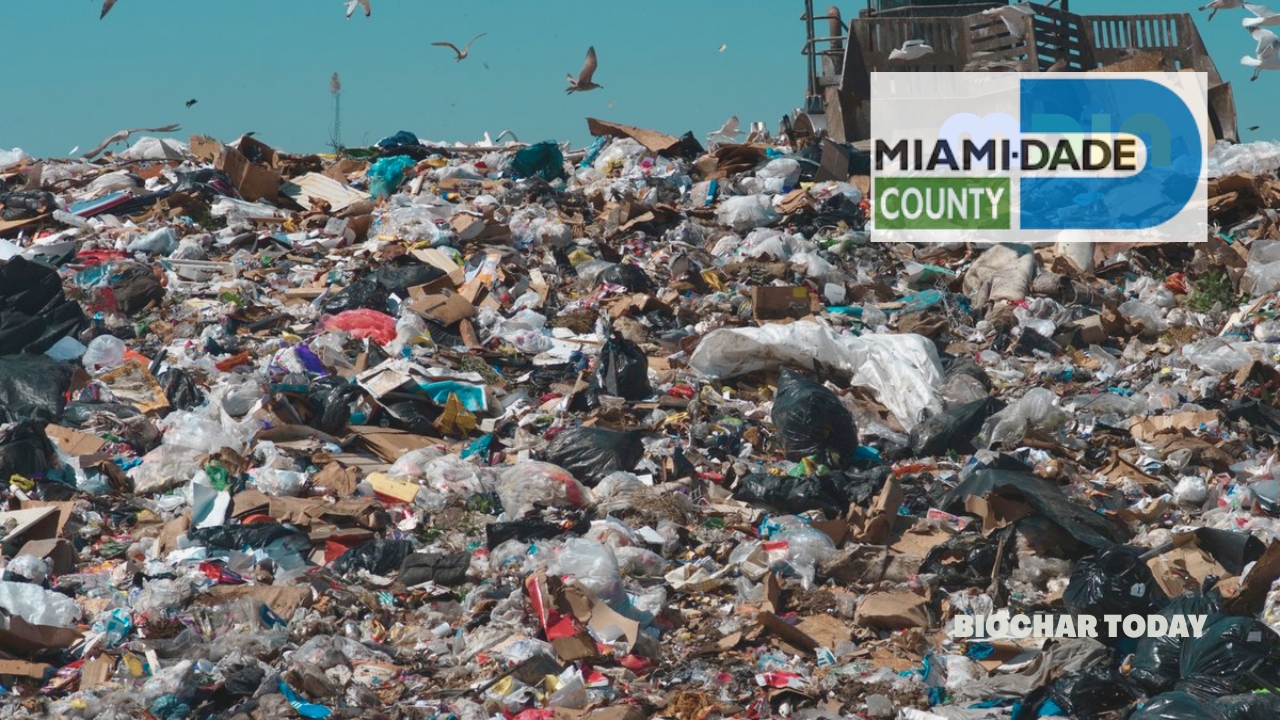
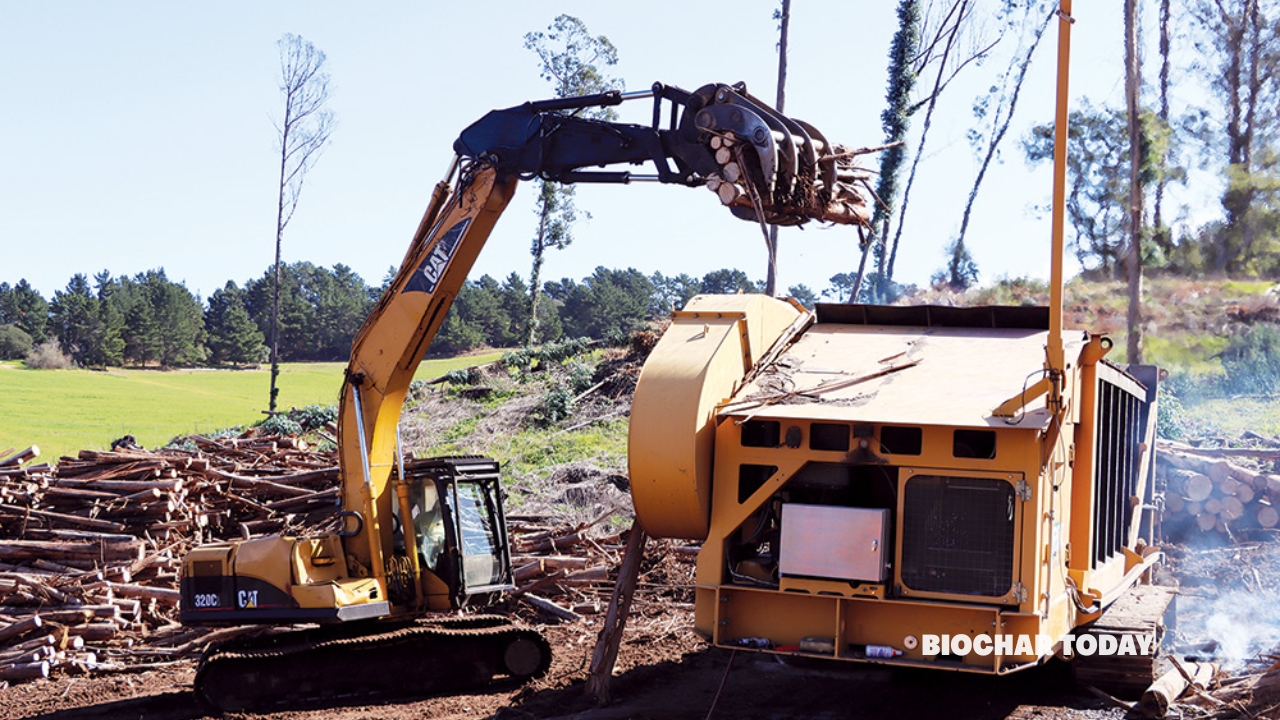
The Miami-Dade Department of Solid Waste Management (DSWM) will host a live demonstration of the Clean Earth Innovations biocharBiochar is a carbon-rich material created from biomass decomposition in low-oxygen conditions. It has important applications in environmental remediation, soil improvement, agriculture, carbon sequestration, energy storage, and sustainable materials, promoting efficiency and reducing waste in various contexts while addressing climate change challenges. More pilot program on February 6, 2026, at 1:00 p.m. at the South Dade Landfill in Homestead, Florida, USA. The event formed part of the Miami-Dade Innovation Authority’s (MDIA) Fifth Public Innovation Waste Diversion Challenge. During the field demonstration, Clean Earth Innovations processed clean yard debris delivered to the landfill into biochar using a rotary pyrolysisPyrolysis is a thermochemical process that converts waste biomass into bio-char, bio-oil, and pyro-gas. It offers significant advantages in waste valorization, turning low-value materials into economically valuable resources. Its versatility allows for tailored products based on operational conditions, presenting itself as a cost-effective and efficient More kiln and an emissions-free power module. Miami-Dade County officials and company representatives were present, and media participants observed operations and engaged in a post-demonstration question session.
The central challenge highlighted is the diversion and productive reuse of municipal organic waste, specifically clean yard debris. Landfill systems face continued pressure to reduce disposal volumes while identifying practical, technology-enabled pathways for organics management. The MDIA Waste Diversion Challenge reflects this need by seeking scalable approaches that apply technology to improve recycling performance and reduce reliance on landfilling for recoverable organic materials.
The pilot demonstrated a process-based solution using thermal conversion technology in a landfill setting. Clean Earth Innovations’ system employs a rotary pyrolysis kiln to process yard debris into biochar, paired with an emissions-free power module to support operations. By situating the technology directly at a municipal landfill, the demonstration emphasized operational compatibility, controlled processing conditions, and the integration of biochar production into existing solid waste infrastructure.
Event outcomes include direct exposure of municipal stakeholders and media to a functioning biochar system in a public-sector context. The demonstration provided a basis for evaluating how such systems could support broader waste diversion strategies. While long-term performance data are not yet available, the event contributes to practical assessment of biochar technologies within municipal organics management frameworks.


Leave a Reply