
Key Takeaways
- BiocharBiochar is a carbon-rich material created from biomass decomposition in low-oxygen conditions. It has important applications in environmental remediation, soil improvement, agriculture, carbon sequestration, energy storage, and sustainable materials, promoting efficiency and reducing waste in various contexts while addressing climate change challenges. More made from Mediterranean seagrass leaves can partially replace cement in concrete.
- Replacing 1-2% of cement with Posidonia oceanica biochar can increase the concrete’s early compressive strength.
- This marine-waste derived biochar makes concrete more durable by helping it retain water and reducing water absorption.
- Using this biochar addresses a major coastal waste problem while lowering carbon emissions from cement production.
- For optimal performance, the amount of biochar used must be carefully controlled, as higher dosages can reduce strength.
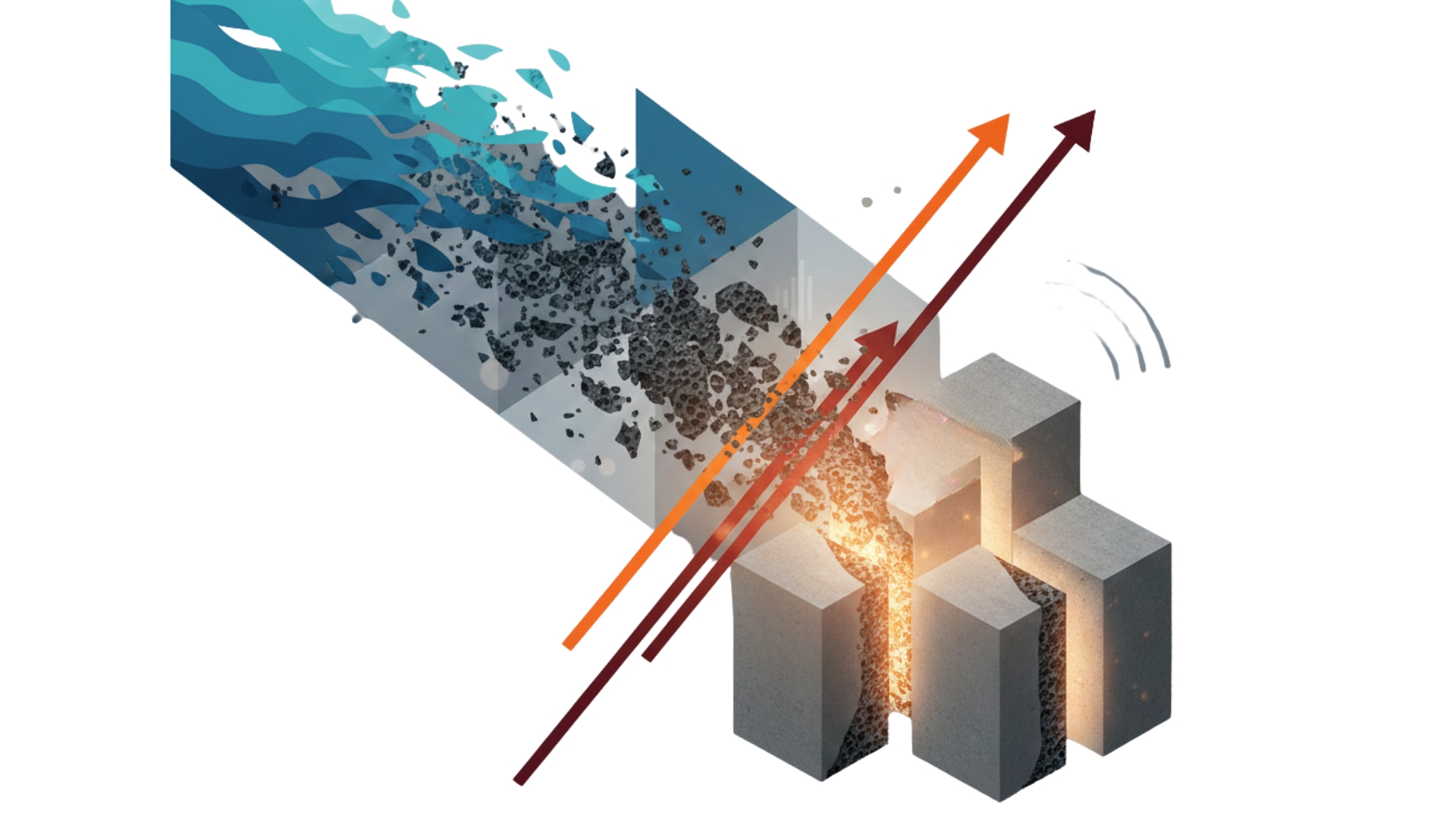
Incorporating Posidonia oceanica (PO) leaf-derived biochar at low dosages (1–2% by weight of cement) has been shown to improve the compressive strength of cement mortar by approximately 10% after 28 days compared to mixes without biochar. This sustainable alternative not only valorizes an abundant marine waste but also enhances the durability of cement-based materials through improved water retention and internal curing. The findings are presented in the journal Discover Concrete and Cement by Stephen Babajide Olabimtan and his colleagues, Mohammad Ali Mosaberpanah and Babatunde Olufunso Oluwole. Their work addresses the critical environmental challenge posed by the construction industry, particularly the high carbon dioxide emissions from cement production, which accounts for approximately 5-8% of overall greenhouse gas emissions.
The study highlights Posidonia oceanica, a Mediterranean seagrass, as a promising and sustainable feedstockFeedstock refers to the raw organic material used to produce biochar. This can include a wide range of materials, such as wood chips, agricultural residues, and animal manure. More for biochar production. This plant, native to the region and forming vast underwater meadows, produces large quantities of leaves that wash ashore and create significant disposal issues for coastal communities. Converting this lignocellulosic marine waste into biochar not only resolves this environmental problem but also creates a valuable material for the construction sector. The resulting PO biochar possesses favorable properties, including a porous microstructure, high surface area, and a mineral-rich composition.
The incorporation of PO biochar into cementitious composites at low replacement levels, typically between 1 and 10%, generally enhances mechanical performance. This improvement is primarily attributed to the biochar’s filler effect, where its fine particles fill the macropores within the mortar, leading to a denser, more compact structure in the hardened material. This enhanced compactness allows the mortar to more efficiently transmit stress under load, boosting its overall strength. The biochar’s porous structure also acts as an internal curing agent, retaining mixing water and gradually releasing it during the cement hydration process. This delayed release of moisture aids in achieving the required strength and is one of the key mechanisms behind the observed strength increase.
However, the authors emphasize that this positive effect is highly dependent on the dosage. The optimal performance is seen at low cement replacement rates, usually around 1-2%, with one study showing the highest strength relative to the control sample at 0.1% biochar concentration after seven days. Replacing cement with excessive amounts of biochar, typically exceeding 10%, may compromise the strength and durability of the composite, partly because the larger volume occupancy of biochar can prevent the formation of essential hydration products like calcium silicate hydrate.
Beyond mechanical strength, the biochar also significantly influences the durability properties of the concrete. Its porous structure contributes to a decrease in water absorption, creating a dense microstructure that makes it more difficult for water to seep into the mortar. This improved water retention and reduced water penetration depth are vital for the long-term performance and extended service life of concrete structures. Furthermore, biochar derived from Posidonia oceanica leaves exhibits low thermal conductivity, making it a promising insulating material for cementitious composites, thus contributing to energy-efficient buildings. This new avenue of research is essential, as the production of biochar from this marine waste represents a circular economy approach that supports sustainability by valorizing waste, reducing the demand for clinker, and lowering associated carbon dioxide emissions in the construction industry.
Source: Olabimtan, S. B., Mosaberpanah, M. A., & Oluwole, B. O. (2025). The performance of Posidonia oceanica leaf-based biochar as a partial replacement for cement in concrete: a review of potentials, challenges, and prospects. Discover Concrete and Cement, 1(34).



Leave a Reply