
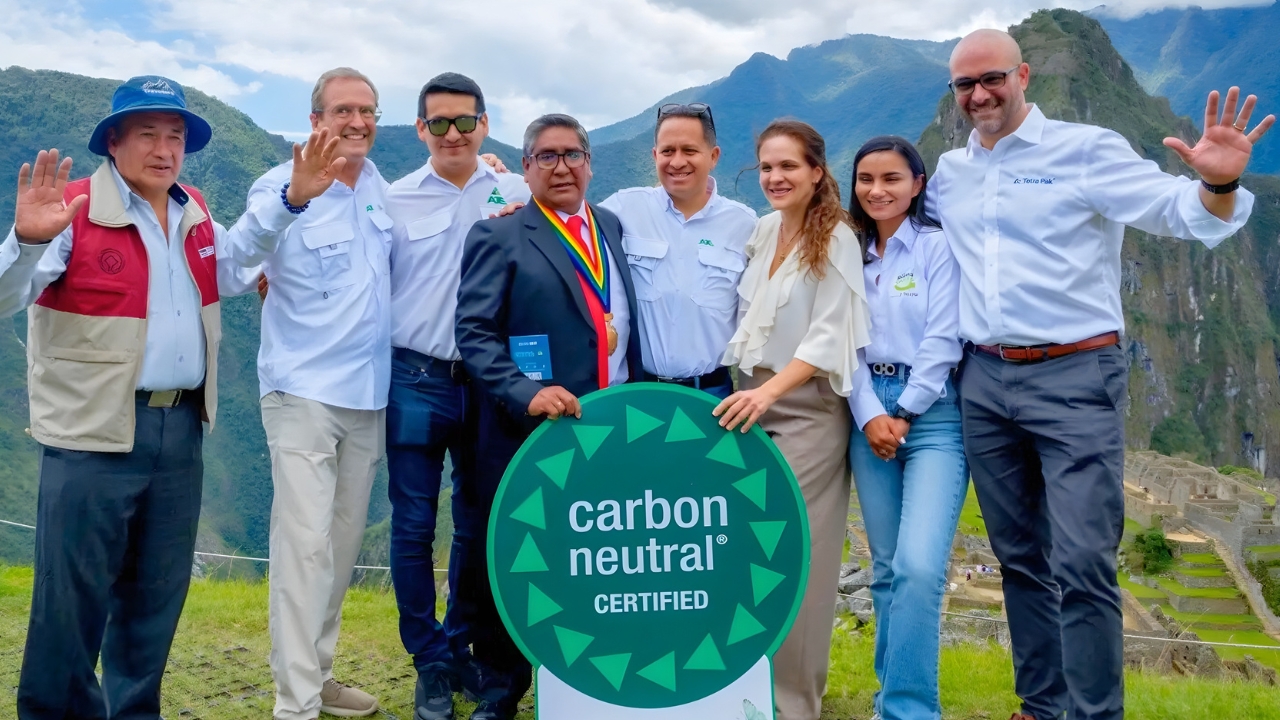
The Historic Sanctuary of Machu Picchu in Peru has once again been recognized for its sustainability efforts, achieving its third consecutive certification as a Carbon Neutral Destination. This recognition, granted by the international organization Green Initiative, follows a measured 7.07% reduction in the carbon footprint per tourist. Machu Picchu is reportedly the first tourist destination in the world to receive this certification three times in a row.
This achievement is the result of a multi-sector collaboration that began in 2016. Partners include the Municipality of Machu Picchu, the National Service of Natural Protected Areas (Sernanp), and private companies such as Grupo AJE, Inkaterra, and Tetra Pak.
A core component of the sanctuary’s strategy involves comprehensive waste management and the implementation of sustainable technologies. Key actions include the installation of plastic waste compactors, a glass crusher, and a biodiesel plant to process recycled cooking oil.
Notably, the project also utilizes an organic waste pyrolyzer. This machine processes organic waste generated at the site to produce biocharBiochar is a carbon-rich material created from biomass decomposition in low-oxygen conditions. It has important applications in environmental remediation, soil improvement, agriculture, carbon sequestration, energy storage, and sustainable materials, promoting efficiency and reducing waste in various contexts while addressing climate change challenges. More, effectively stabilizing carbon and preventing its release as greenhouse gas. This biochar production is part of a broader circular economy model being implemented, which also included the planting of over 6,500 native trees in 2022.
In addition to these on-site reductions, the certification was secured by offsetting remaining emissions. This was accomplished through the REDD+ Castañeros project in the Madre de Dios region. This project protects over 600,000 hectares of chestnut forests and supports more than 800 local families involved in the chestnut harvest.
During the certification ceremony, officials also announced the creation of Peru’s first Climate Neutral Tourist Corridor. This new initiative aims to connect Cusco, Machu Picchu, and the Choquequirao archaeological site, extending the sustainability model across a wider tourist route. Local authorities have committed to maintaining the certification through ongoing carbon footprint monitoring and policies that promote a regenerative economy.




Leave a Reply