
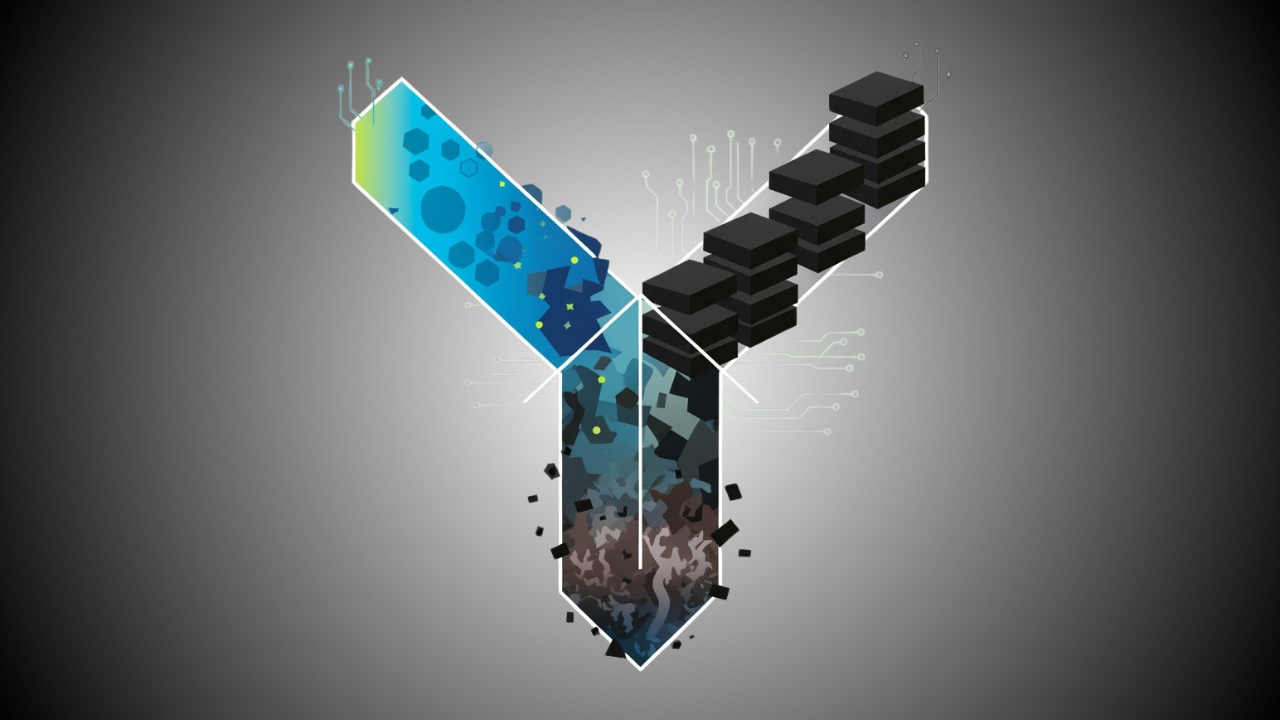
In modern wastewater treatment, the sheer volume of waste activated sludge (WAS) presents a massive challenge for disposal. While anaerobic digestion (AD) remains the gold standard for stabilizing sludge and recovering bioenergy in the form of methane, its efficiency is often hampered by the slow breakdown of complex organic matter. A pioneering doctoral thesis by Lu Dan from the School of Civil and Environmental Engineering at Nanyang Technological University investigates cutting-edge pretreatment methods and proposes a revolutionary process for complete resource recovery. This research, parts of which appeared in journals including Water Research and Bioresource Technology, focuses on transforming sludge from a waste product into a source of energy and valuable nutrients, finding that an integrated process involving liquid-solids separation is key to maximizing resource value.
Separation of thermal hydrolyzed sludge into liquid and solids fractions unlocks greater value and energy efficiency. Liquid digestion yielded 262.6±5.1 mL CH4/g tCOD feed and was complete in 15 days, allowing for solids to be converted to biocharBiochar is a carbon-rich material created from biomass decomposition in low-oxygen conditions. It has important applications in environmental remediation, soil improvement, agriculture, carbon sequestration, energy storage, and sustainable materials, promoting efficiency and reducing waste in various contexts while addressing climate change challenges. More, ultimately resulting in an energy surplus for the treatment plant. Pretreatment is the critical first step, designed to break apart the complex sludge structure, releasing dissolved organic matters (DOMs) that microorganisms can readily convert into methane. The study evaluated several methods, including combined alkaline and ultrasonic (ALK-ULS) pretreatment and thermal hydrolysis pretreatment (THP). While ALK-ULS pretreatment resulted in high methane output, the THP method was shown to be highly effective at releasing the most desirable components for biodegradation. Specifically, sludge treated at 172∘C provided the maximum methane production because it successfully solubilized a significant amount of easily digestible low molecular weight (LMW) DOMs, such as proteins and carbohydrates. However, the research revealed a significant challenge: not all released organics are easily biodegradable. Regardless of the improved efficiency, both ALK-ULS and THP produced recalcitrant compounds—substances that remain stubbornly undigested and can interfere with downstream processes. These residual LMW DOMs predominantly included polycyclic steroid-like compounds and aromatics. Identifying and quantifying these leftover compounds is crucial, as their presence requires a “polishing step” to clean up the digestate and prevent environmental concerns.
The core quantitative finding of this research centers on separating the pretreated sludge into two distinct streams: the liquid fraction (THP-L) and the solids fraction (THP-S). Traditional practice involves digesting the combined, whole-sludge stream. However, the study found this approach to be suboptimal. When the liquid and solids fractions were digested separately, the solids fraction (THP-S) was found to contribute only 31.0% to the total methane generation and required a long digestion period, often exceeding 30 days. This suggests that THP-S holds little readily biodegradable material. Conversely, the liquid fraction (THP-L) was a powerhouse of bioenergy. The organics in THP-L were so readily digestible that the anaerobic process was completed within just 15 days. More importantly, the digestion of THP-L alone achieved a high cumulative methane yield of 262.6±5.1 mL CH4/g tCODfeed.
This difference in biodegradability made a case for an innovative, integrated resource recovery strategy: instead of wasting time and reactor space digesting the slow THP-S fraction for minimal gas, the THP-S should be diverted for conversion into a higher-value product like biochar. This two-pronged approach—methane generation from THP-L coupled with biochar production from THP-S—was confirmed to result in an overall energy surplus for the entire treatment process. Furthermore, separate digestion improved the overall properties of the digested sludge, enhancing its dewaterability and reducing its viscosity, which translates directly to lower operational costs.
Beyond bioenergy and biochar, the liquid fraction holds a third valuable resource: plant nutrients. The research evaluated the feasibility of using THP-L as a liquid organic fertilizer. Notably, treating sludge at the lower temperature of 165∘C resulted in a liquor whose contents of key macronutrients, including nitrogen, phosphorus, and free amino acids, were comparable to commercial fertilizers. Crucially, THP-L products treated below 180∘C not only lacked inhibition but actually showed a promotion effect on both plant growth and soil bacteria activity. This confirms THP-L as a viable, valuable organic fertilizer, closing the loop on a truly circular and sustainable sludge management process. The findings offer a powerful new direction for wastewater treatment plants seeking to transition from waste disposal sites to resource recovery centers.
Source: Lu, D. (2019). Transformation and utilization of solubilized substances from pretreated sludge (Doctoral thesis). Nanyang Technological University, Singapore.


Leave a Reply