

Key Takeaways
- Engineered biocharBiochar is a carbon-rich material created from biomass decomposition in low-oxygen conditions. It has important applications in environmental remediation, soil improvement, agriculture, carbon sequestration, energy storage, and sustainable materials, promoting efficiency and reducing waste in various contexts while addressing climate change challenges. More created from agricultural waste can capture nearly all lead particles found in polluted industrial water.
- Using fruit peels and crop residues provides a low-cost and environmentally friendly way to clean water compared to expensive chemical treatments.
- Plants and microscopic organisms can be combined with charcoalCharcoal is a black, brittle, and porous material produced by heating wood or other organic substances in a low-oxygen environment. It is primarily used as a fuel source for cooking and heating. More filters to create a natural defense against toxic heavy metals.
- Removing lead from the environment prevents it from entering the food chain and harming human health.
- Recycling farm waste into water filters supports a sustainable system that reduces pollution and protects natural water sources
Engineered biochar created from agricultural waste can capture nearly all lead particles found in polluted industrial water. Using fruit peels and crop residues provides a low cost and environmentally friendly way to clean water compared to expensive chemical treatments. Plants and microscopic organisms can be combined with charcoal filters to create a natural defense against toxic heavy metals. Removing lead from the environment prevents it from entering the food chain and harming human health. Recycling farm waste into water filters supports a sustainable system that reduces pollution and protects natural water sources.
In the recent volume of Toxics, researchers Aminur Rahman, Md Azizul Haque, Md Mahbubur Rahman, Pottathil Shinu, Mohammad Muhitur Rahman, Aftab Ahmad Khan, and Sayeed Rushd provide a comprehensive evaluation of modern strategies for lead remediation. Their findings emphasize that lead remains a critical threat to aquatic ecosystems and human health because it does not break down over time. By investigating a wide range of green technologies, the authors demonstrate that biochar and activated carbonActivated carbon is a form of carbon that has been processed to create a vast network of tiny pores, increasing its surface area significantly. This extensive surface area makes activated carbon exceptionally effective at trapping and holding impurities, like a molecular sponge. It is commonly More stand out as exceptionally versatile and effective materials for removing these heavy metals. These carbon-rich filters are often created from common waste materials like rice husks, coconut shells, and wood residues, turning agricultural byproducts into powerful environmental tools.
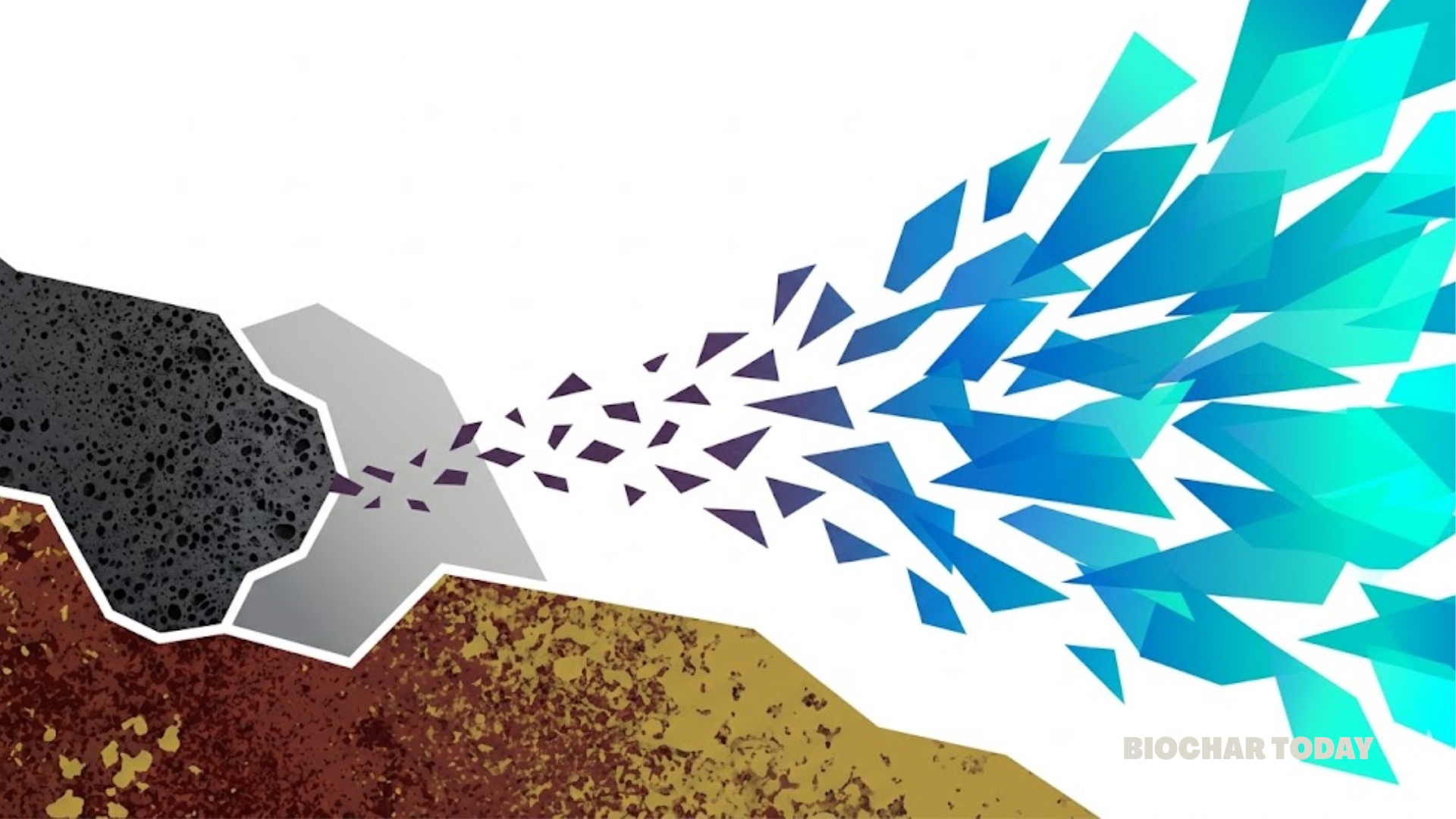
The research highlights the superior performance of engineered biochars, which utilize a highly porous structure to trap lead ions. When these materials are modified with substances like iron or magnesium, their ability to bind with pollutants increases significantly. For instance, biochar produced from watermelon rinds or rice straw can achieve remarkable removal efficiencies that often exceed ninety percent under optimal conditions. This high level of performance makes biochar a more sustainable and economically viable substitute for expensive synthetic membranes, particularly in resource-limited regions where industrial pollution is a major concern. The ability to regenerate these filters through simple chemical washes further enhances their long-term value in a circular economy.
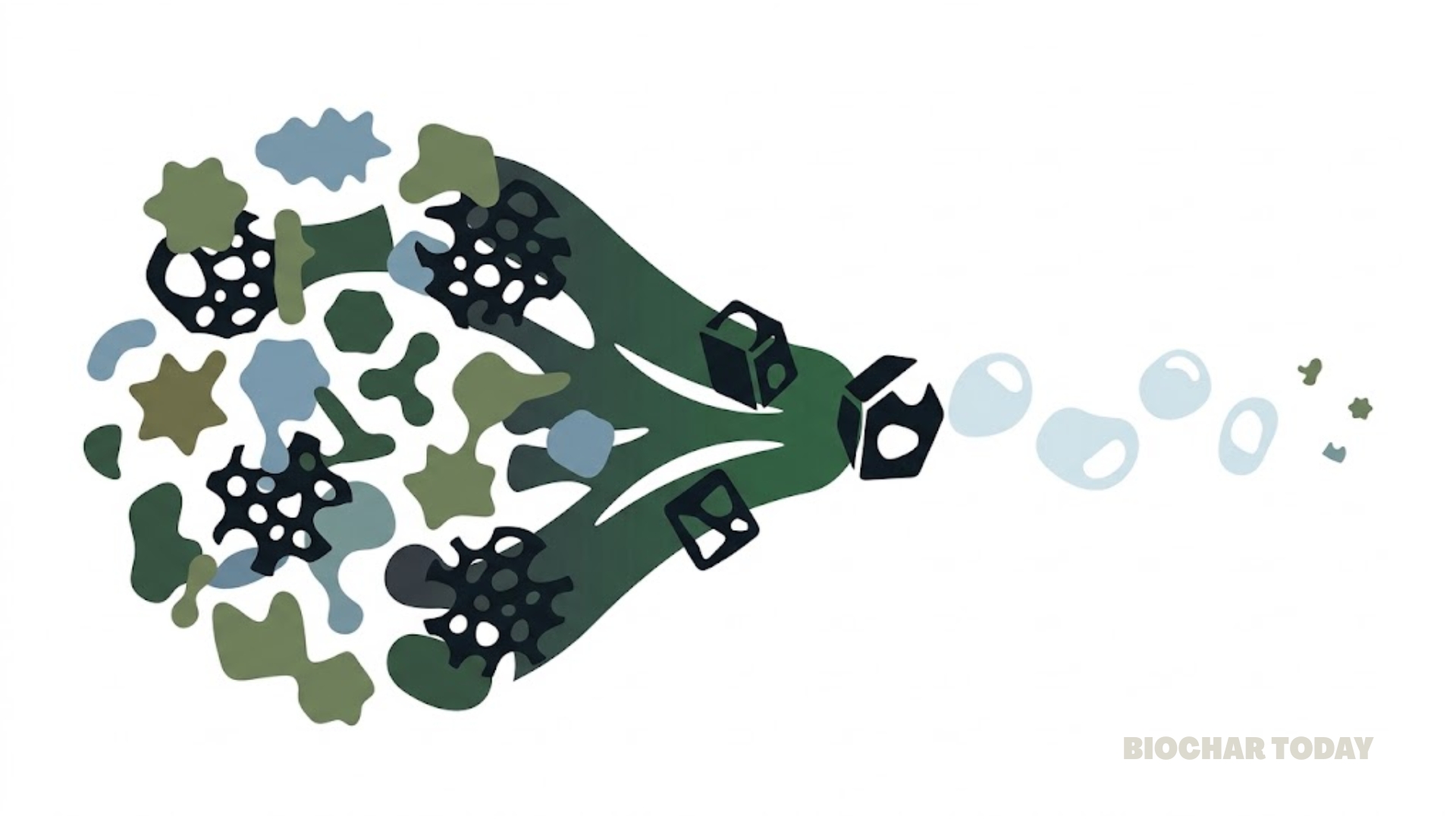
Beyond simple filtration, the study explores the integration of biochar with other biological and technological methods. Combining biochar with metal-resistant bacteria or specialized plants creates a hybrid system that can handle complex industrial effluents more effectively than a single method alone. These integrated approaches use the quick physical capture of biochar to reduce initial toxicity, allowing living organisms to provide long-term restoration of the water. While nanotechnology offers even faster reaction speeds, the cost-effectiveness and ecological compatibility of biochar make it the preferred choice for massive land and water cleanups. This holistic framework provides a roadmap for policymakers and engineers to design systems that are both high-performing and environmentally responsible.
The ultimate goal of these innovations is to prevent lead from entering the human food chain through contaminated water, crops, or livestock. Lead exposure is a systemic danger that can cause severe damage to the nervous, renal, and cardiovascular systems, with children being particularly vulnerable. By implementing scalable biochar solutions, industries can significantly reduce their environmental footprint and meet strict global safety regulations. The researchers advocate for a multidisciplinary approach that combines material science with digital tools like artificial intelligence to predict and optimize water treatment outcomes. Through the strategic use of bio-based adsorbents, society can move closer to achieving the United Nations Sustainable Development Goals for clean water and responsible production.
Source: Rahman, A., Haque, M. A., Rahman, M. M., Shinu, P., Rahman, M. M., Khan, A. A., & Rushd, S. (2025). Comprehensive Review of Microbial, Plant, Biochar, Mineral, and Nanomaterial Solutions for Lead-Contaminated Wastewater. Toxics, 13(12), 1082.



Leave a Reply