
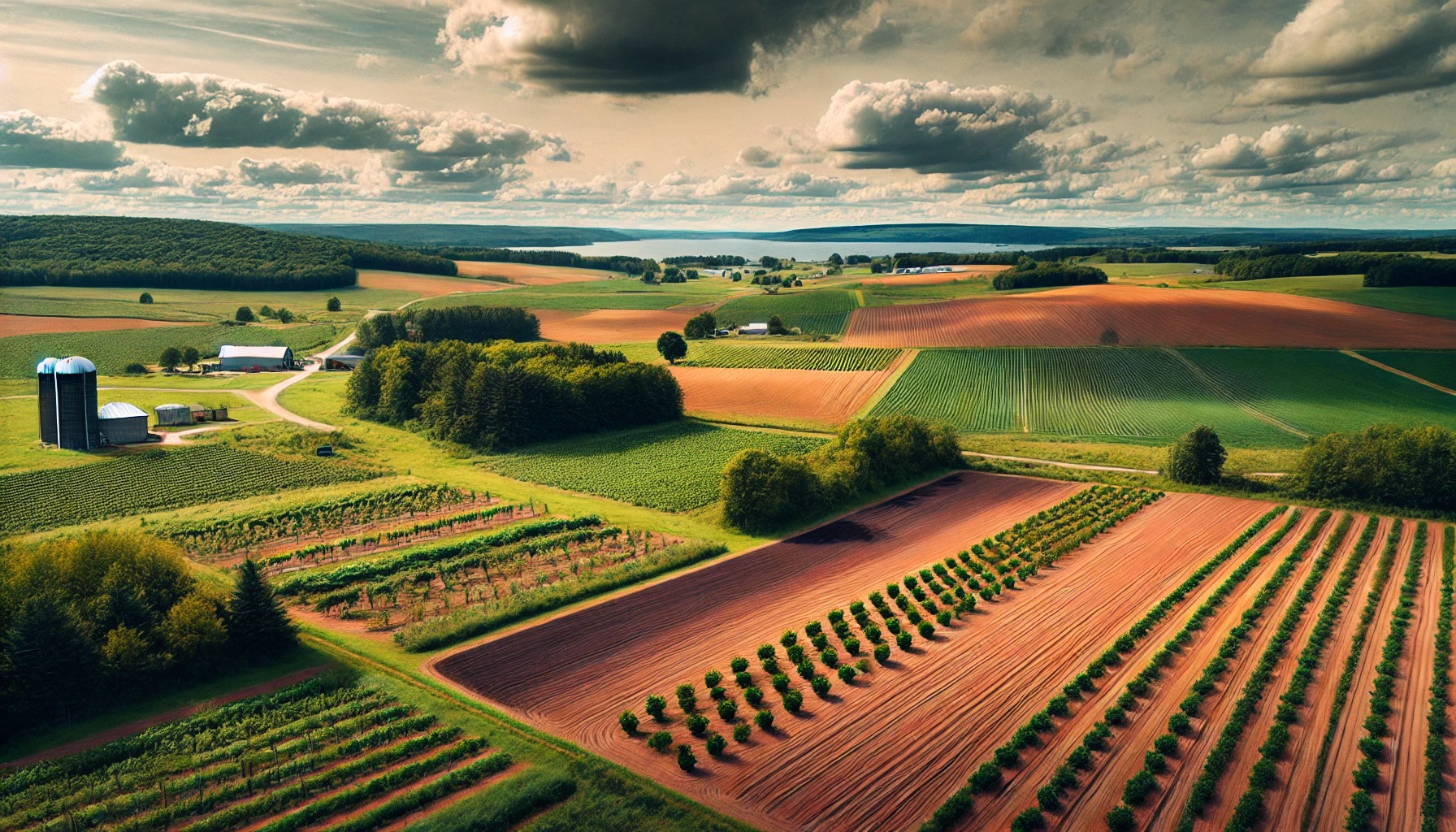
Northern Michigan, known for its vibrant agricultural industry, is witnessing a push towards more sustainable practices with the introduction of biochar—a carbon-rich material believed to enhance soil fertility. BiocharBiochar is a carbon-rich material created from biomass decomposition in low-oxygen conditions. It has important applications in environmental remediation, soil improvement, agriculture, carbon sequestration, energy storage, and sustainable materials, promoting efficiency and reducing waste in various contexts while addressing climate change challenges. More, created through the pyrolysisPyrolysis is a thermochemical process that converts waste biomass into bio-char, bio-oil, and pyro-gas. It offers significant advantages in waste valorization, turning low-value materials into economically valuable resources. Its versatility allows for tailored products based on operational conditions, presenting itself as a cost-effective and efficient More of organic biomassBiomass is a complex biological organic or non-organic solid product derived from living or recently living organism and available naturally. Various types of wastes such as animal manure, waste paper, sludge and many industrial wastes are also treated as biomass because like natural biomass these More, has the potential to significantly improve the sandy soils characteristic of the region, which are often low in organic matter and struggle with water retention.
Advocates like Bob LaPorte and soil scientist Tim Overdier highlight the historical use of biochar by Indigenous people in the Amazon to boost soil productivity, suggesting its potential benefits for modern agriculture in northern Michigan. They argue that incorporating biochar could not only improve crop yields but also enhance the region’s terroir, crucial for crops like wine grapes, cherries, and apples.
The recent Biochar Research Network Act of 2023 has sparked increased interest and activities surrounding biochar in the area. LaPorte and Overdier, who have long been involved in educational efforts through their CROWD workshops, are now working on a broader initiative. This initiative involves a tri-county collaboration between Leelanau, Benzie, and Grand Traverse counties, aimed at developing a blueprint for biochar use that could potentially be expanded statewide.
Northwestern Michigan College is also getting involved, with plans to integrate biochar research into their agricultural programs. If successful, this initiative could place the Grand Traverse region at the forefront of biochar innovation in the United States.
READ MORE: Advocates boost biochar, spark tri-county initiative


Leave a Reply