
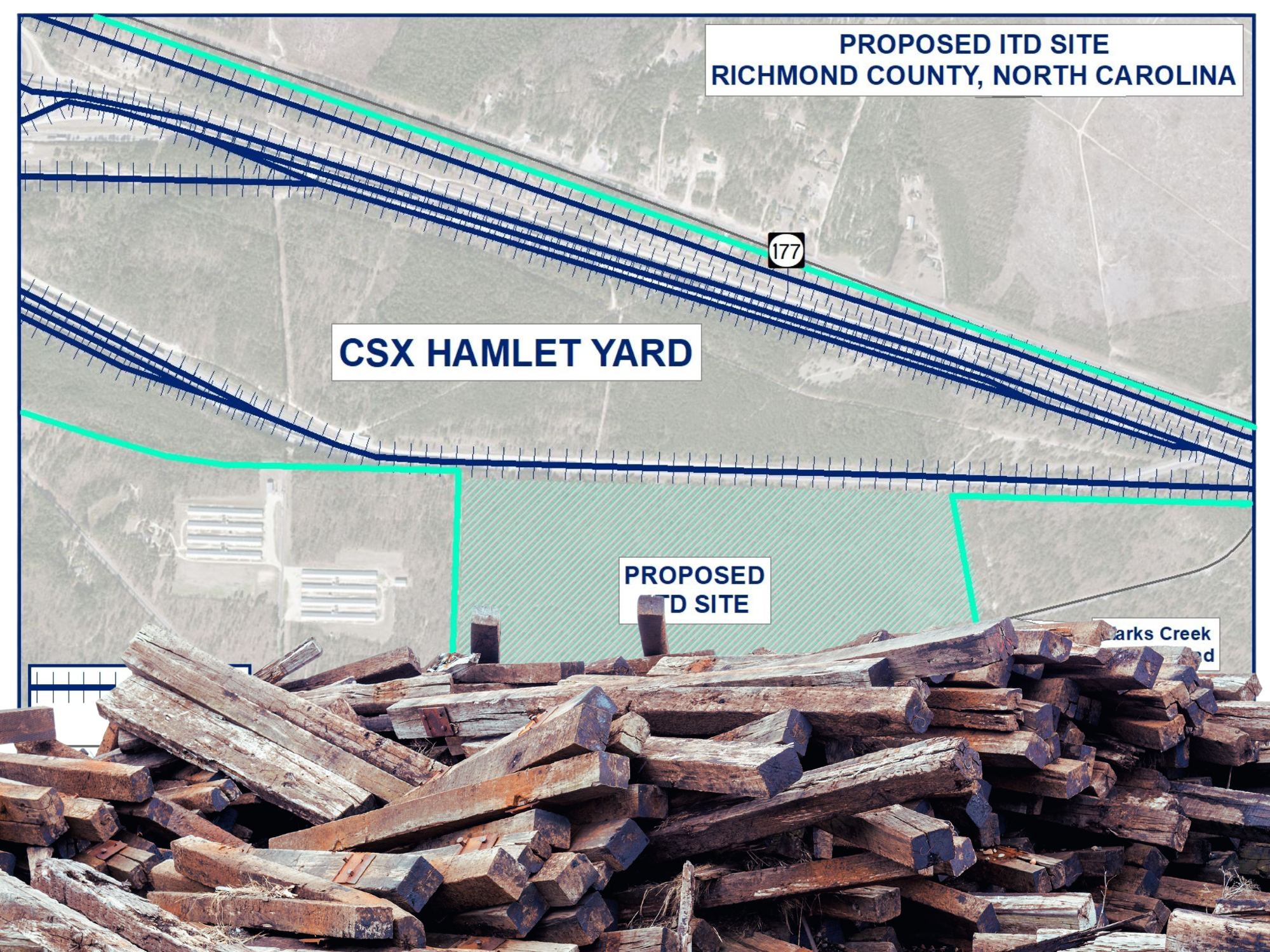
The recent public hearing held by the Department of Environmental Quality (DEQ) addressed the contentious proposal of International Tie Disposal establishing a biocharBiochar is a carbon-rich material created from biomass decomposition in low-oxygen conditions. It has important applications in environmental remediation, soil improvement, agriculture, carbon sequestration, energy storage, and sustainable materials, promoting efficiency and reducing waste in various contexts while addressing climate change challenges. More production facility on Mark’s Creek Church Rd. Representatives from DEQ and Polivka International, the parent company, gathered to gauge community concerns regarding the stormwater permit project.
Biochar, a carbon-rich material produced through pyrolysisPyrolysis is a thermochemical process that converts waste biomass into bio-char, bio-oil, and pyro-gas. It offers significant advantages in waste valorization, turning low-value materials into economically valuable resources. Its versatility allows for tailored products based on operational conditions, presenting itself as a cost-effective and efficient More, has garnered attention for its environmental benefits. However, concerns arise due to the facility’s proximity to residential areas and schools. The proposed facility aims to process creosote-soaked railroad ties, raising health and environmental apprehensions.
Despite promises of job creation, community members voiced skepticism, citing health risks and distrust of local officials who received funds for area beautification. Residents fear increased cancer rates and environmental degradation, emphasizing the need for prioritizing health over economic gains.
Criticism extended to elected officials accused of neglecting constituents’ welfare. Residents demand accountability from DEQ and vow to fight against the facility’s establishment, echoing sentiments of betrayal and disenfranchisement.
Polivka International’s representative faced scrutiny and skepticism during the hearing, underscoring the community’s deep-rooted distrust. Despite attempts to address concerns, the company struggled to assuage apprehensions, further exacerbating tensions.
The controversy underscores the clash between economic development and environmental preservation, emphasizing the imperative of community engagement and regulatory transparency. As the debate rages on, the fate of the proposed facility remains uncertain, highlighting the enduring struggle for environmental justice and community empowerment.
READ MORE: Hamlet residents express betrayal and concern over proposed biochar facility






Leave a Reply