

German climate tech company PyroCCS, through its subsidiary PyroNam, has partnered with German non-profit atmosfair to advance biocharBiochar is a carbon-rich material created from biomass decomposition in low-oxygen conditions. It has important applications in environmental remediation, soil improvement, agriculture, carbon sequestration, energy storage, and sustainable materials, promoting efficiency and reducing waste in various contexts while addressing climate change challenges. More carbon dioxide removal (CDR) in Namibia. This collaboration aims to develop multiple biochar production sites across the country, starting with a project on the Nog Verder Farm in Otjozondjupa.
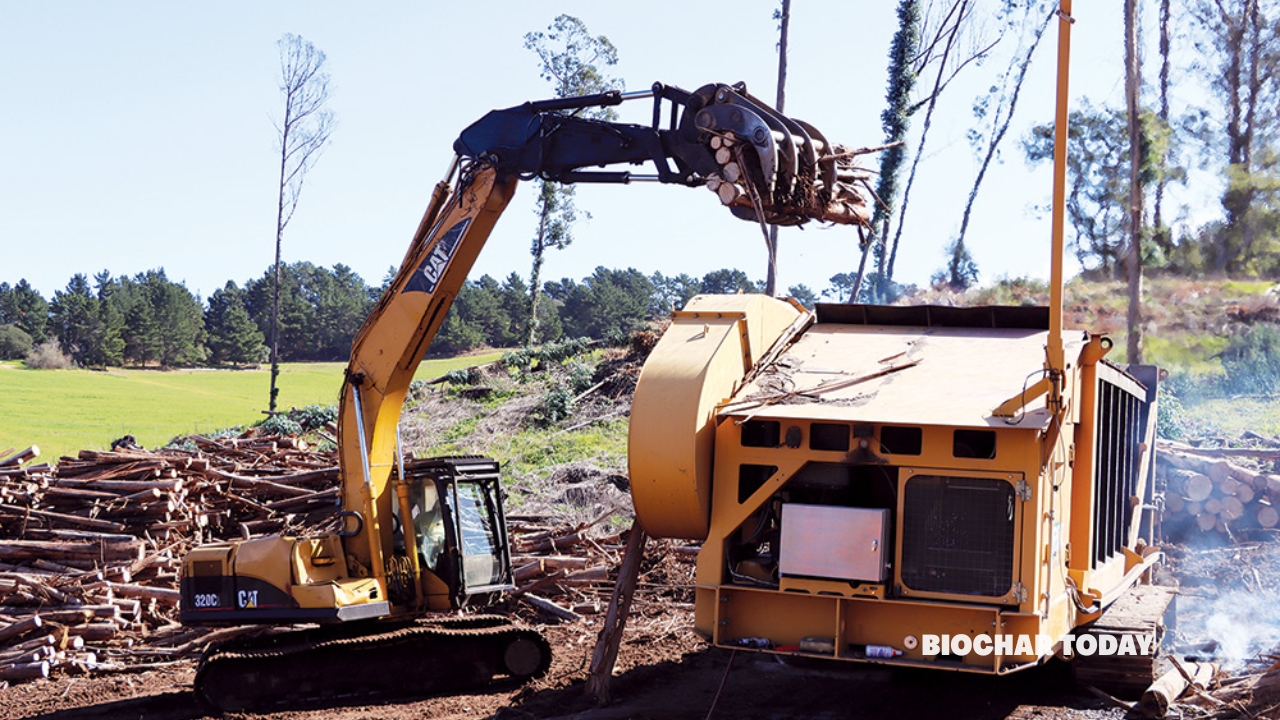
The Nog Verder facility will use sustainably harvested encroaching bush species as feedstockFeedstock refers to the raw organic material used to produce biochar. This can include a wide range of materials, such as wood chips, agricultural residues, and animal manure. More to produce at least 1,000 tons of biochar annually. The biochar will be applied to local soils, where it is expected to sequester over 2,000 tons of CO2 each year.
Construction at the site is complete, with PyroCCS’ low-emission SCB technology currently being installed. Carbon credit certification is anticipated by February 2025. PyroNam will oversee the construction, operation, and maintenance of project assets, while atmosfair funds the pyrolysisPyrolysis is a thermochemical process that converts waste biomass into bio-char, bio-oil, and pyro-gas. It offers significant advantages in waste valorization, turning low-value materials into economically valuable resources. Its versatility allows for tailored products based on operational conditions, presenting itself as a cost-effective and efficient More plants and manages the issuance of high-durability carbon credits.
The project incorporates PyroNam’s Sarva Carbon digital monitoring, reporting, and verification (dMRV) system and adheres to ICROA-endorsed Global Biochar C-Sink standards. Future plans include scaling operations to over 400 biochar plants in Namibia by 2030.
Henrike Geldmacher, Managing Director of PyroNam, highlights the project’s dual benefits: improving degraded soils to enhance food security and creating employment opportunities for unskilled youth. By combining environmental and socio-economic goals, the initiative positions biochar as a sustainable solution for climate resilience and local development.


Leave a Reply