
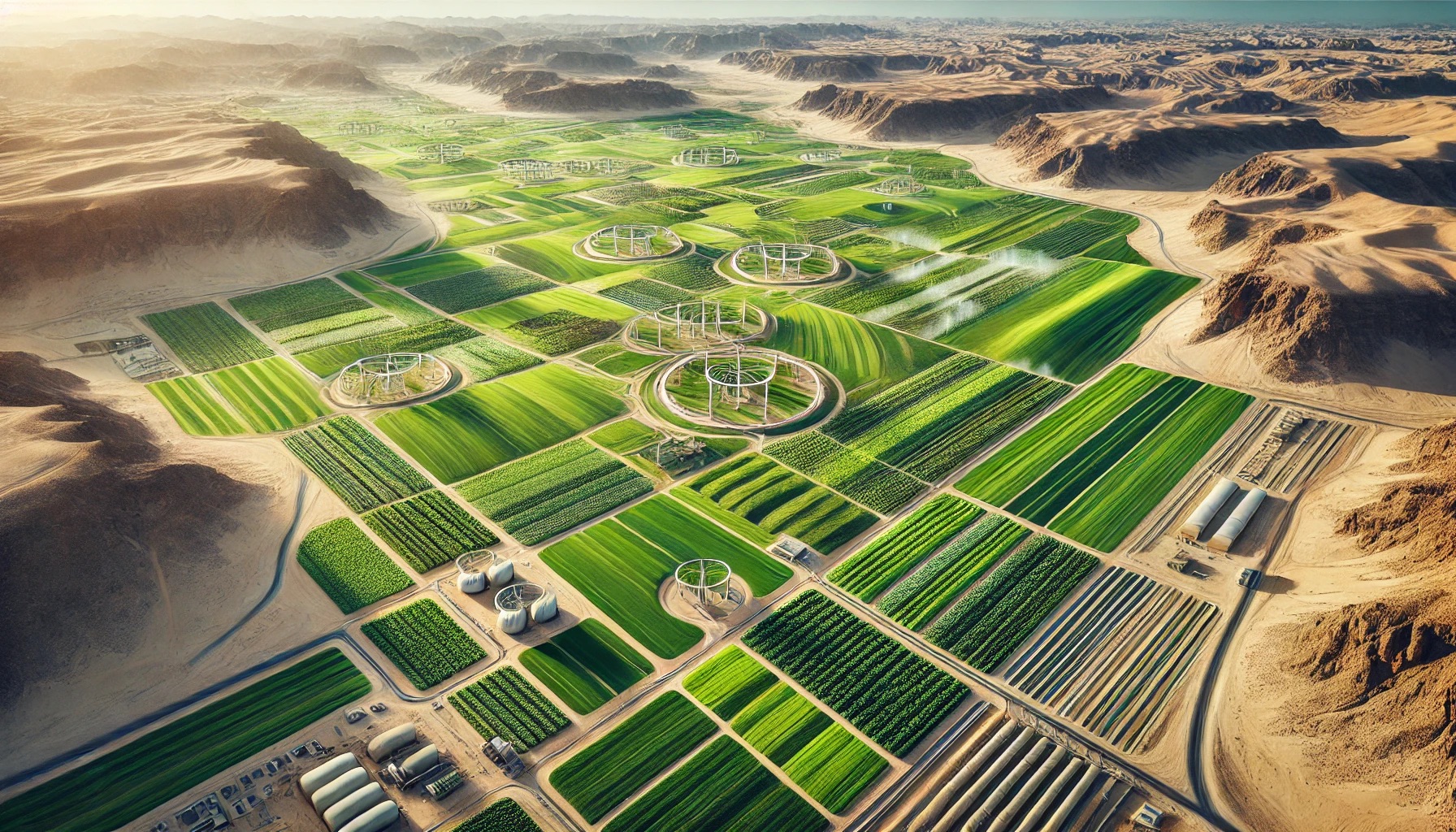
The global shift towards sustainability has driven the adoption of innovative technologies to mitigate environmental impacts, and biocharBiochar is a carbon-rich material created from biomass decomposition in low-oxygen conditions. It has important applications in environmental remediation, soil improvement, agriculture, carbon sequestration, energy storage, and sustainable materials, promoting efficiency and reducing waste in various contexts while addressing climate change challenges. More has emerged as a significant player in this transition. Biochar, a form of charcoalCharcoal is a black, brittle, and porous material produced by heating wood or other organic substances in a low-oxygen environment. It is primarily used as a fuel source for cooking and heating. More produced from organic materials, enhances soil health, increases crop yields, and sequesters carbon dioxide. Oman, committed to sustainable development, has embraced biochar technology to advance sustainable agriculture and address climate change.
Ahmed Rashid Salim al Rabaiai, a PhD candidate at Sultan Qaboos University, has championed the integration of biochar in Omani agriculture. His research, supported by Dr. Daniel Menezes Blackburn and Dr. Said al Ismaily, focuses on utilizing biochar to rehabilitate degraded and saline soils, enhancing fertility and productivity. Ahmed’s vision is driven by biochar’s potential to improve soil properties, making it a vital tool for sustainable waste management and agriculture in Oman.
Biochar’s unique attributes—superior surface area for water and nutrient retention, increased porosityPorosity of biochar is a key factor in its effectiveness as a soil amendment and its ability to retain water and nutrients. Biochar’s porosity is influenced by feedstock type and pyrolysis temperature, and it plays a crucial role in microbial activity and overall soil health. Biochar More for aeration and root growth, and long-term soil stability—make it a transformative solution for agriculture. In arid regions like Oman, its exceptional water retention capabilities reduce irrigation needs and conserve water, aiding plant development.
Oman’s commitment to biochar technology is evident through investments in research, pilot projects, and educational programs for farmers. Collaborations with global organizations and companies like NTZ Solutions ensure the production of high-quality biochar tailored to local needs, supporting Oman’s sustainability goals and Net Zero targets.
Biochar’s role in carbon sequestration further underscores its importance in climate change mitigation. By converting organic waste into stable carbon compounds, biochar helps reduce greenhouse gas emissions and atmospheric carbon concentrations. Ahmed envisions biochar as central to Oman’s climate change strategies, balancing agricultural productivity with environmental stewardship.
Oman’s biochar revolution, driven by researchers like Ahmed Al Rabaiai and supported by governmental and industrial collaborations, signifies a shift towards sustainable agriculture. This aligns with global sustainability objectives, promising a greener and more resilient future.
READ MORE: Biochar: A sustainable solution for agriculture and climate change in Oman




Leave a Reply