
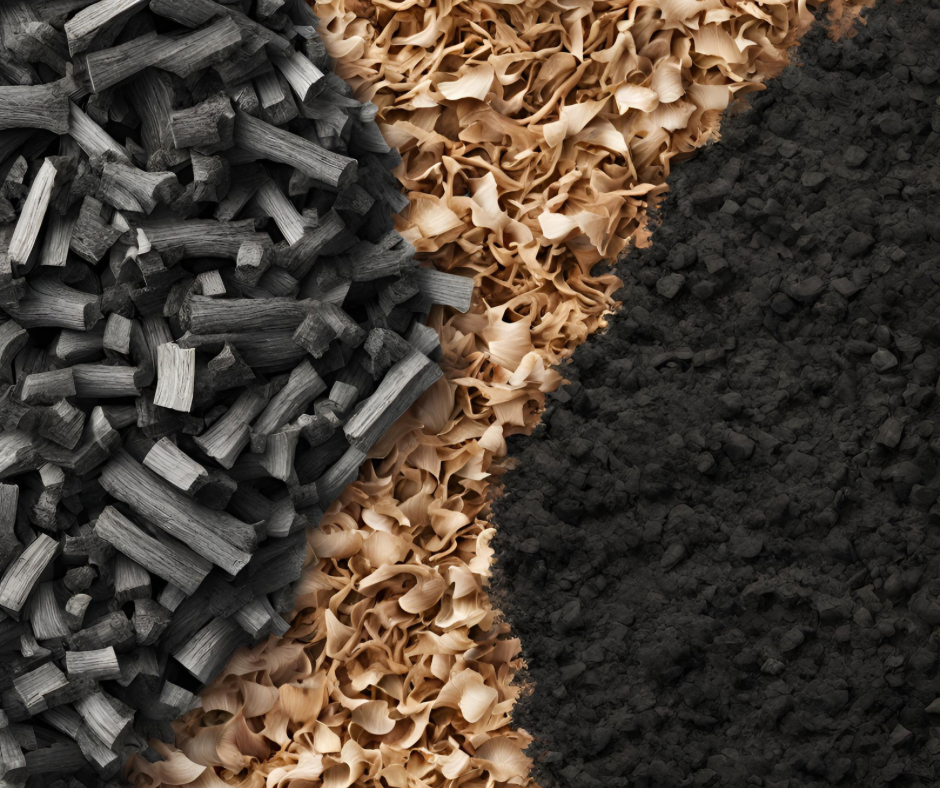
A $5 million investment has ignited a promising cleantech venture in Penobscot County, Maine. Standard Biocarbon, poised to become a regional leader in sustainable biocharBiochar is a carbon-rich material created from biomass decomposition in low-oxygen conditions. It has important applications in environmental remediation, soil improvement, agriculture, carbon sequestration, energy storage, and sustainable materials, promoting efficiency and reducing waste in various contexts while addressing climate change challenges. More production, stands on the cusp of commercialization, thanks to this crucial financial backing. But what exactly is biochar, and why is its rise in Maine noteworthy?
Biochar, a charcoal-like substance derived from organic waste like wood residuals, emerges as a groundbreaking tool in the fight against climate change. Created through a controlled heating process called pyrolysisPyrolysis is a thermochemical process that converts waste biomass into bio-char, bio-oil, and pyro-gas. It offers significant advantages in waste valorization, turning low-value materials into economically valuable resources. Its versatility allows for tailored products based on operational conditions, presenting itself as a cost-effective and efficient More, biochar holds the remarkable ability to sequester carbon dioxide in the soil for centuries, effectively removing it from the atmosphere. This carbon capture potential makes it a valuable weapon in our arsenal against rising greenhouse gas levels.
Beyond its climatic benefits, biochar acts as a superhero for soil health. Its application enhances fertility and water retention, leading to improved agricultural productivity and healthier ecosystems. This dual benefit positions biochar as a win-win for both environmental health and economic prosperity.
Standard Biocarbon stands at the forefront of this exciting field. Their state-of-the-art facility, strategically located near a sawmill, utilizes readily available mill residuals as its primary feedstockFeedstock refers to the raw organic material used to produce biochar. This can include a wide range of materials, such as wood chips, agricultural residues, and animal manure. More, transforming waste into a valuable resource. This not only reduces landfill burden but also fosters a circular economy within the region.
The recent $5 million investment from Nexus Development Capital marks a pivotal moment for Standard Biocarbon. With this crucial support, they are set to begin commercial production in just three months, paving the way for Maine-made biochar to enrich local farms and forests.
The emergence of this biochar venture in Maine holds significant promise. It showcases the potential of innovative technology to address pressing environmental challenges while fostering economic growth. Standard Biocarbon’s success could pave the way for broader adoption of biochar technology, shaping a more sustainable future for our planet. As this Maine spark ignites the flame of biochar production, we can witness a positive shift towards a greener and more resilient tomorrow.




Leave a Reply