
A new study published in the journal BiocharBiochar is a carbon-rich material created from biomass decomposition in low-oxygen conditions. It has important applications in environmental remediation, soil improvement, agriculture, carbon sequestration, energy storage, and sustainable materials, promoting efficiency and reducing waste in various contexts while addressing climate change challenges. More by Peduruhewa H. Jeewani and colleagues explores a novel solution to a critical problem: balancing food production with climate change mitigation in agricultural peatlands. Drained peats, while highly productive for farming, are also significant sources of greenhouse gas (GHG) emissions, accounting for roughly 4% of total anthropogenic GHG emissions globally. This research investigates the combined effects of raising the water table and adding biochar to these soils to reduce GHG emissions and maintain crop productivity.
Peatlands are natural carbon sinks, but when drained for agriculture, the stored carbon is exposed to oxygen, leading to its release as CO₂. This degradation not only contributes to global warming but also causes the peat to subside at a rate of 0.3 to 3 cm per year. While rewetting peatlands can significantly reduce these CO₂ emissions, the resulting waterlogged conditions are often unsuitable for most conventional crops. This creates a “food versus carbon” dilemma, which the authors aim to solve using biochar.
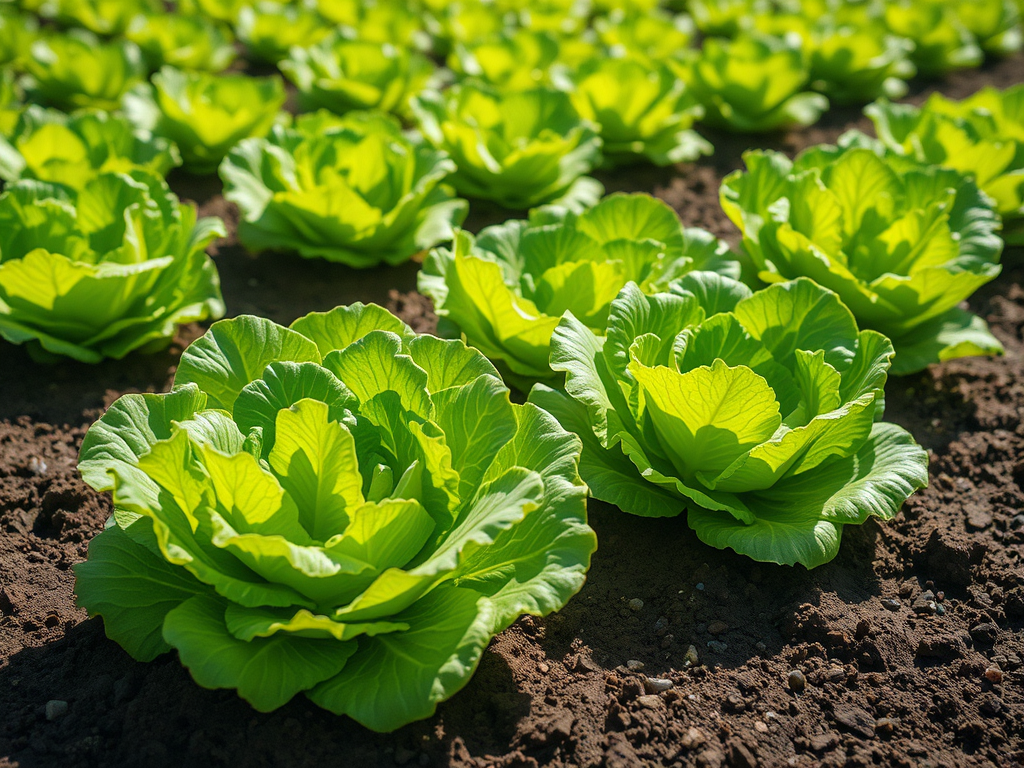
The study used a controlled mesocosm experiment with lettuce grown in peat soil with either a high water table (HW) or a low water table (LW). Biochar derived from the bioenergy crop Miscanthus was added to half of the mesocosms. The researchers measured emissions of CO₂, CH₄, and N₂O over 110 days and also analyzed soil, plant, and microbial changes.
The results were striking. Raising the water table alone significantly reduced CO₂ emissions by 18% and N₂O emissions by 40% compared to the low water table control. However, this also led to an undesirable increase in CH₄ emissions, which rose 2.5-fold. While CH₄ emissions were a concern, they made a negligible contribution to the total GHG emissions, less than 0.5%. The most impressive results came from the combination of a high water table and biochar. This treatment provided the strongest reduction in total GHG emissions, equivalent to 4.64 tCO₂eq ha⁻¹ yr⁻¹. This was a significant improvement over the unamended high water table treatment and the low water table control.
So, how did biochar achieve this? The study suggests that biochar works through both abiotic and biotic mechanisms. The biochar’s physicochemical properties, such as its porous structure, improve soil aeration and water retention, which helps to buffer against extreme moisture conditions. Furthermore, biochar amendment modified the microbial community composition and diversity, lowering the relative abundance of peat decomposers, such as Actinobacteria and Ascomycota. This shift in microbial communities from decomposers to other taxa is a key factor in suppressing CO₂ and N₂O emissions.
Perhaps most importantly for farmers, biochar application delivered significant economic benefits. The study found that biochar amendments resulted in a 38–56% greater lettuce biomassBiomass is a complex biological organic or non-organic solid product derived from living or recently living organism and available naturally. Various types of wastes such as animal manure, waste paper, sludge and many industrial wastes are also treated as biomass because like natural biomass these More compared to the unamended controls, regardless of the water table level. This finding directly challenges the long-standing assumption that rewetting peatlands for climate mitigation must come at the cost of food production. The improved yields provide a strong financial incentive for farmers to adopt this climate-friendly practice.
In conclusion, this research presents a compelling case for a new approach to managing agricultural peats. By combining high water tables with biochar, it may be possible to break the trade-off between food production and climate change mitigation, allowing farmers to reduce GHG emissions, enhance soil carbon stocks, and improve crop productivity simultaneously. While the results are promising, the authors emphasize the need for further field-scale testing over multiple cropping cycles to confirm these findings and support widespread implementation.
Source: Jeewani, P. H., Agbomedarho, E. O., Evans, C. D., Chadwick, D. R., & Jones, D. L. (2025). Wetter farming: raising water table and biochar for reduced GHG emissions while maintaining crop productivity in agricultural peatlands. Biochar, 7(1), 110.





Leave a Reply