
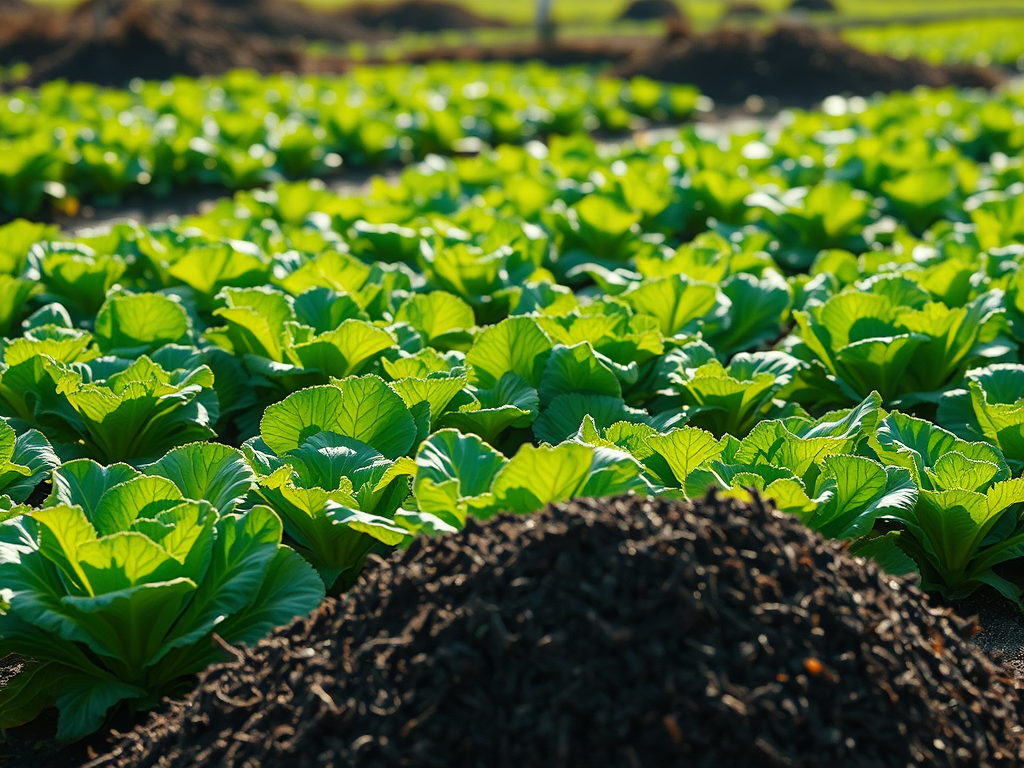
Drained peatlands, while agriculturally productive, are a significant source of greenhouse gas (GHG) emissions. In a new study published in the journal BiocharBiochar is a carbon-rich material created from biomass decomposition in low-oxygen conditions. It has important applications in environmental remediation, soil improvement, agriculture, carbon sequestration, energy storage, and sustainable materials, promoting efficiency and reducing waste in various contexts while addressing climate change challenges. More, Peduruhewa H. Jeewani and a team of researchers investigated a promising solution: combining a raised water table with biochar, a charcoal-like substance used as a soil amendmentA soil amendment is any material added to the soil to enhance its physical or chemical properties, improving its suitability for plant growth. Biochar is considered a soil amendment as it can improve soil structure, water retention, nutrient availability, and microbial activity. More. Their findings show that this two-pronged approach not only reduces GHGs but also increases crop productivity.
Peatlands store a massive amount of carbon, but when they’re drained for agriculture, that stored carbon oxidizes and is released into the atmosphere as carbon dioxide (CO2). In fact, these cultivated peats are responsible for roughly 4% of global anthropogenic GHG emissions. While re-wetting peatlands can protect their carbon stores and significantly reduce emissions, it presents a major challenge: most food crops aren’t suited for the resulting high-water conditions, leading to potential yield losses. This creates a “food versus carbon” dilemma, which the researchers sought to solve.
The study, a controlled mesocosm experiment over four months, tested four treatments on lettuce plants: a low water table control (Control+LW), a high water table control (Control+HW), biochar with a low water table (Biochar+LW), and biochar with a high water table (Biochar+HW). A high water table was maintained at -10 cm from the soil surface, while a low water table was kept at -15 cm. The researchers measured emissions of CO2, methane (CH4), and nitrous oxide (N2O), and also monitored lettuce growth and soil microbial communities.
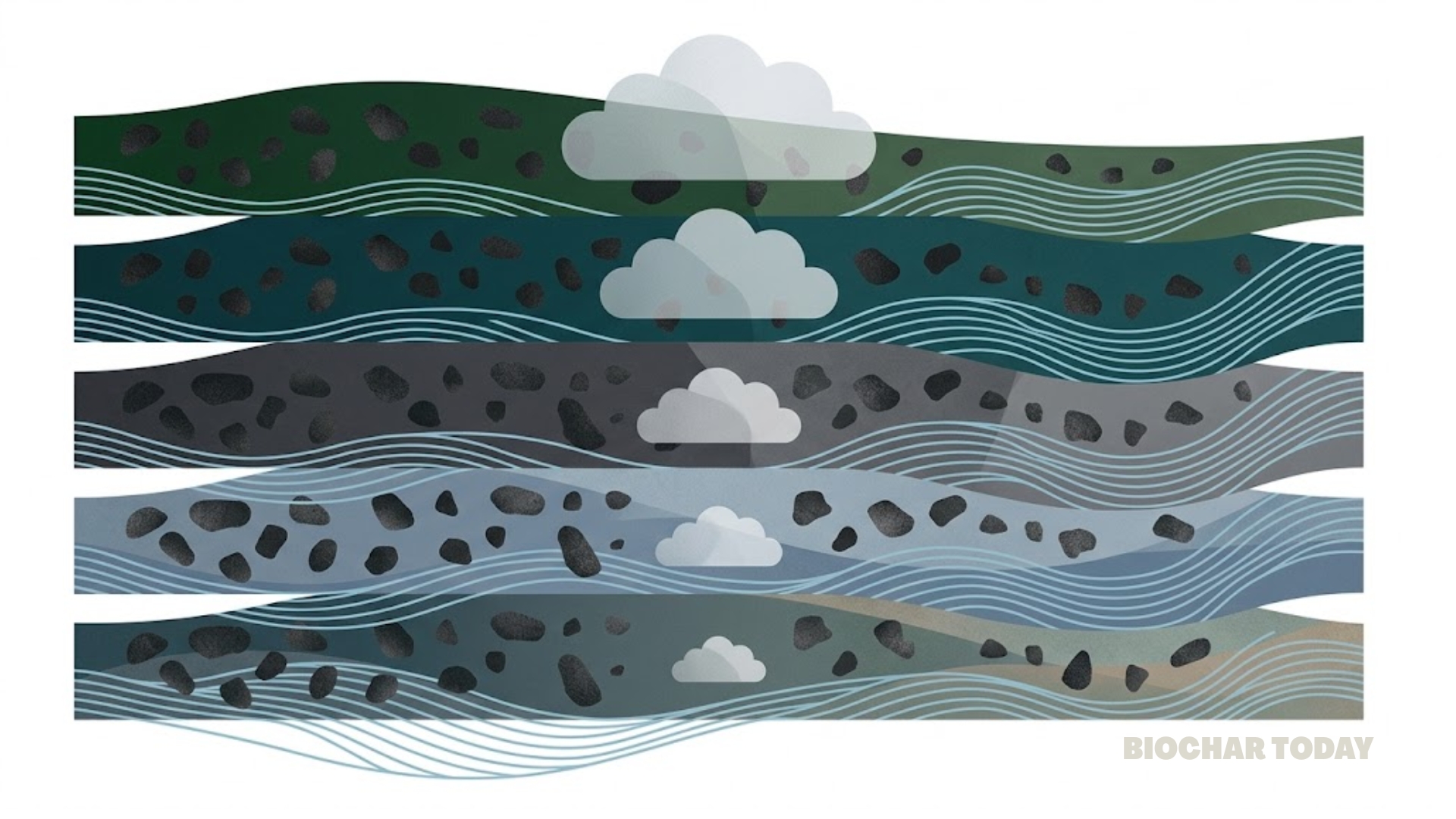
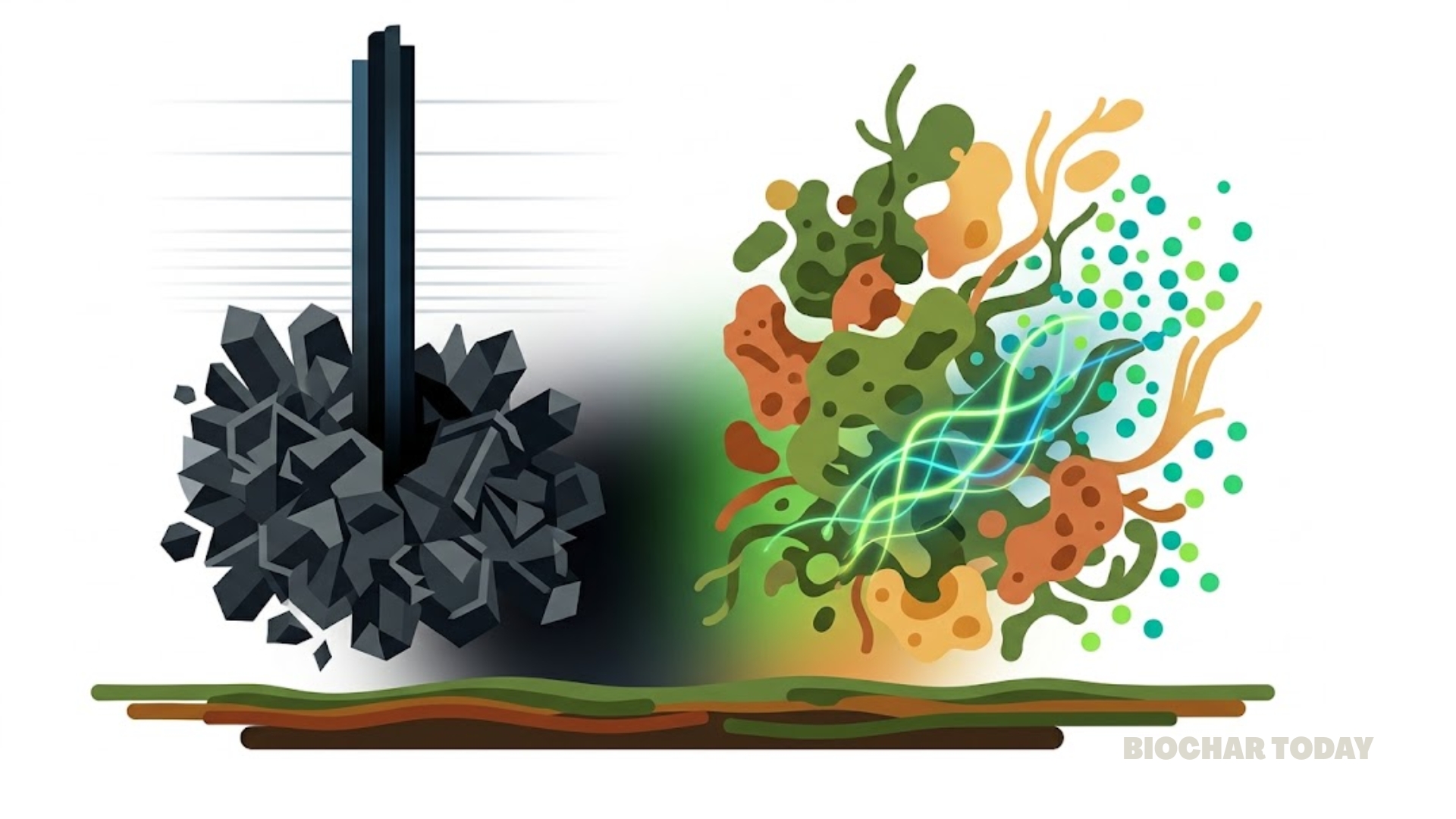
The results were striking. Raising the water table alone (Control+HW) reduced CO2 emissions by 18% compared to the low-water control. It also cut N2O emissions by 40%. However, the high water table did increase CH4 emissions by 2.5-fold due to the creation of anaerobic conditions that favor methane-producing microbes. The most effective treatment for overall GHG reduction was the combination of a high water table and biochar. This treatment (Biochar+HW) provided the strongest reduction in CO2 equivalent GHG emissions, bringing them down by 4.64 tCO2eq ha−1yr−1 compared to the low-water control. The addition of biochar to both high- and low-water conditions suppressed CO2 and CH4 emissions. For instance, biochar with a high water table reduced CO2 emissions by 24% compared to the high-water table control. The biochar likely achieved this by modifying the microbial community and inhibiting peat decomposition.
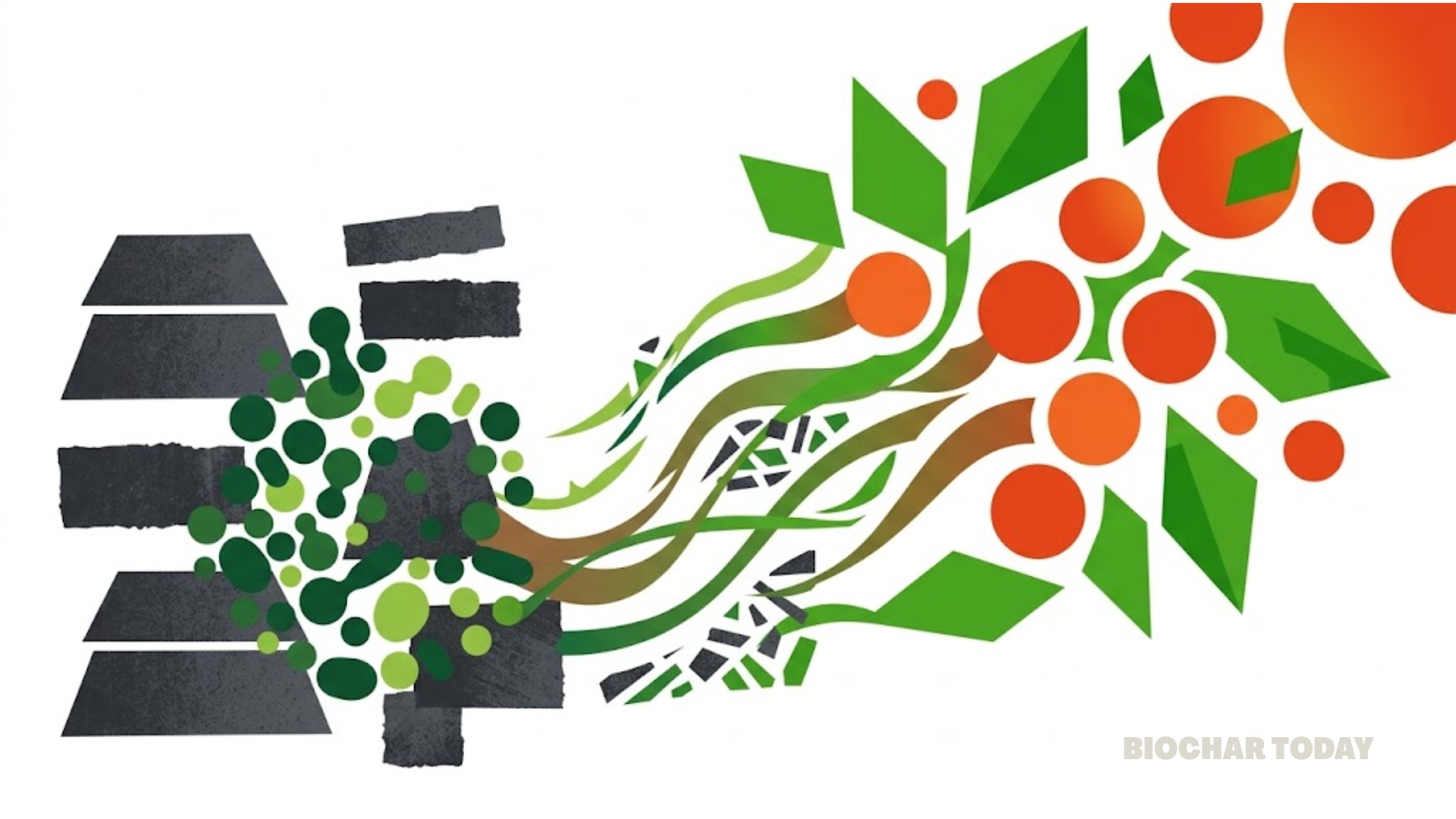
Beyond the environmental benefits, the study found a significant economic advantage. Biochar amendment increased lettuce biomassBiomass is a complex biological organic or non-organic solid product derived from living or recently living organism and available naturally. Various types of wastes such as animal manure, waste paper, sludge and many industrial wastes are also treated as biomass because like natural biomass these More by 38-56% compared to the unamended controls, regardless of the water table level. This is a crucial finding because it directly addresses the conflict between climate mitigation and food production. While a high water table alone can hinder root growth and reduce crop yields, the biochar appears to counteract this effect. The researchers suggest that the biochar’s porous structure may improve soil aeration and water retention, and its physicochemical properties can enhance nutrient availability and promote beneficial microbial activity. For example, biochar increased the relative abundance of beneficial fungi like Chaetomium, which may help suppress soil-borne diseases.
Overall, this research suggests that combining a high water table with biochar is a viable strategy for sustainable agriculture on peatlands. It offers a way to maintain or even enhance crop yields while simultaneously reducing GHG emissions. While these findings are from a controlled experiment and need to be tested at a larger field scale, they provide a powerful new solution for the “food versus carbon” problem in these critical ecosystems.
Source: Jeewani, P. H., Agbomedarho, E. O., Evans, C. D., Chadwick, D. R., & Jones, D. L. (2025). Wetter farming: raising water table and biochar for reduced GHG emissions while maintaining crop productivity in agricultural peatlands. Biochar, 7(1), 110.


Leave a Reply