
Key Takeaways
- Using biocharBiochar is a carbon-rich material created from biomass decomposition in low-oxygen conditions. It has important applications in environmental remediation, soil improvement, agriculture, carbon sequestration, energy storage, and sustainable materials, promoting efficiency and reducing waste in various contexts while addressing climate change challenges. More created at very high temperatures is much more effective at trapping toxic cadmium in the soil than biochar made at lower temperatures.
- High-temperature biochar creates a healthy home for beneficial soil bacteria that help naturally freeze heavy metals in place.
- Combining certain microbes with low-temperature biochar can accidentally make cadmium more active and easier for plants to soak up.
- Kitchen waste can be recycled into a powerful tool to clean up polluted farmland and keep our food supply safer.
- For the best results in cleaning up soil, the temperature used to make biochar must be carefully selected to match the specific pollution problem.
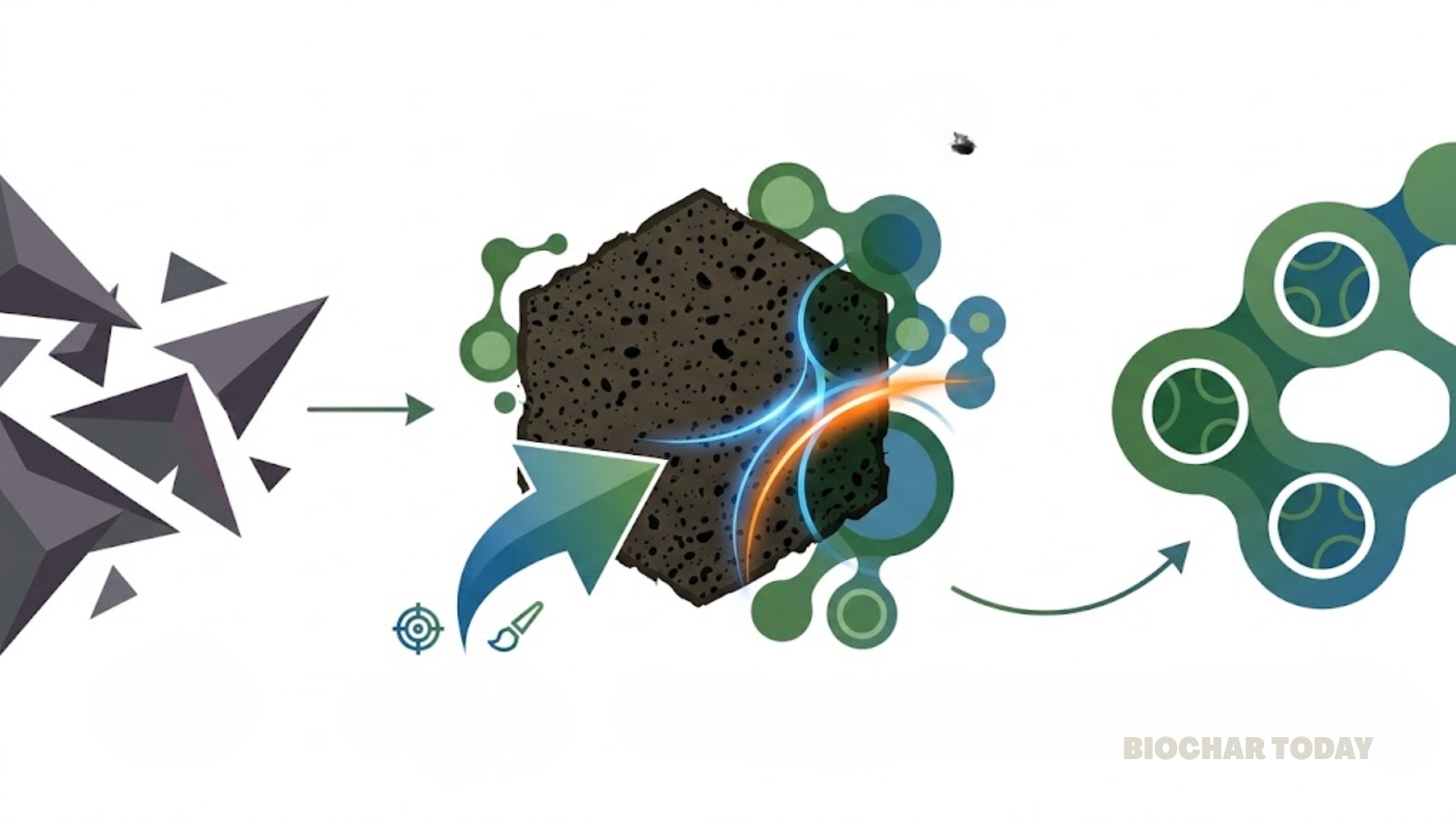
In a study recently published in the journal Environmental and Biogeochemical Processes, lead author Yanqing Xiong and a team of researchers investigated how the temperature used to create biochar determines its success in cleaning up cadmium from contaminated soil. The team explored the complex relationship between biochar and soil microbes, revealing that the physical and chemical changes caused by high-heat processing are essential for a successful remediation strategy. Their findings suggest that simply adding any biochar to polluted ground is not enough; rather, the specific properties of the material must be tailored to encourage a helpful partnership between the carbon-rich additive and the natural microbial life in the dirt.
The researchers discovered that biochar produced from kitchen waste at a high temperature of seven hundred degrees Celsius outperformed versions made at lower temperatures. This high-heat biochar reduced the most dangerous, acid-extractable form of cadmium by more than twenty-eight percent. It also lowered the total amount of cadmium that plants could easily absorb by over twenty-two percent. This level of stabilization is significant because cadmium is a persistent toxin that can easily move from the soil into food crops, posing a serious risk to human health. The effectiveness of the high-temperature material was linked to its well-developed internal pores and its high alkalinity, which physically trapped the metal and chemically turned it into less mobile forms.
In contrast, biochar produced at the lower temperature of three hundred degrees Celsius told a very different story. While it was excellent at boosting soil fertility by increasing organic matter and nutrients, it was poor at stopping the movement of cadmium. In fact, it only reduced the most mobile fraction of the metal by about four percent. The study noted that this low-temperature version retained more soluble carbon, which acted as a quick food source for many different types of microbes. While this sounds positive for soil health, it actually created a side effect where the increased microbial activity began to release organic acids. These acids dissolved the cadmium that was already in the soil, making it even more available for plants to suck up through their roots.
The investigation into soil life showed that high-temperature biochar acted as a selective filter for the microbial community. By providing a stable but nutrient-poor environment, it favored the growth of specific, stress-tolerant bacteria and fungi such as Bacillus and Mucor. These beneficial organisms are known to help stabilize heavy metals by forming protective biofilms or sticking the metals to their own cell walls. This created a powerful synergy where the biochar provided the physical structure to hold the metal, and the reshaped microbial community provided a biological layer of security to keep the cadmium from escaping back into the environment.
A particularly interesting part of the research involved the introduction of common bacteria to see how they would react with the different biochars. When these microbes were added alongside low-temperature biochar, the plants actually ended up with higher concentrations of cadmium in their tissues. This confirmed the researchers’ fears that the wrong combination of biochar and biology could accidentally make a pollution problem worse. However, when the same microbes were added to soil containing high-temperature biochar, the system remained stable. The alkaline and porous nature of the high-heat biochar prevented the microbes from reactivating the metal, ensuring that the cadmium stayed locked away in the ground.
The study concludes that for practical soil cleanup, the selective application of biochar is critical. For regions dealing with heavy metal toxicity, the team recommends using biochar processed at seven hundred degrees Celsius because it maximizes the immobilization of cadmium and protects the food chain from contamination. This research provides a new theoretical foundation for designing sustainable remediation projects that take full advantage of the natural teamwork between engineered carbon materials and the microscopic life that sustains our soil ecosystems.
Source: Xiong, Y., Lin, R., Wang, Y., Liu, K., Guo, J., Wu, M., Chen, Q., Oleszczuk, P., & Pan, B. (2026). Selective application of biochars to realize biochar-microbe synergistic immobilization of soil cadmium. Environmental and Biogeochemical Processes, 2, e001.



Leave a Reply