
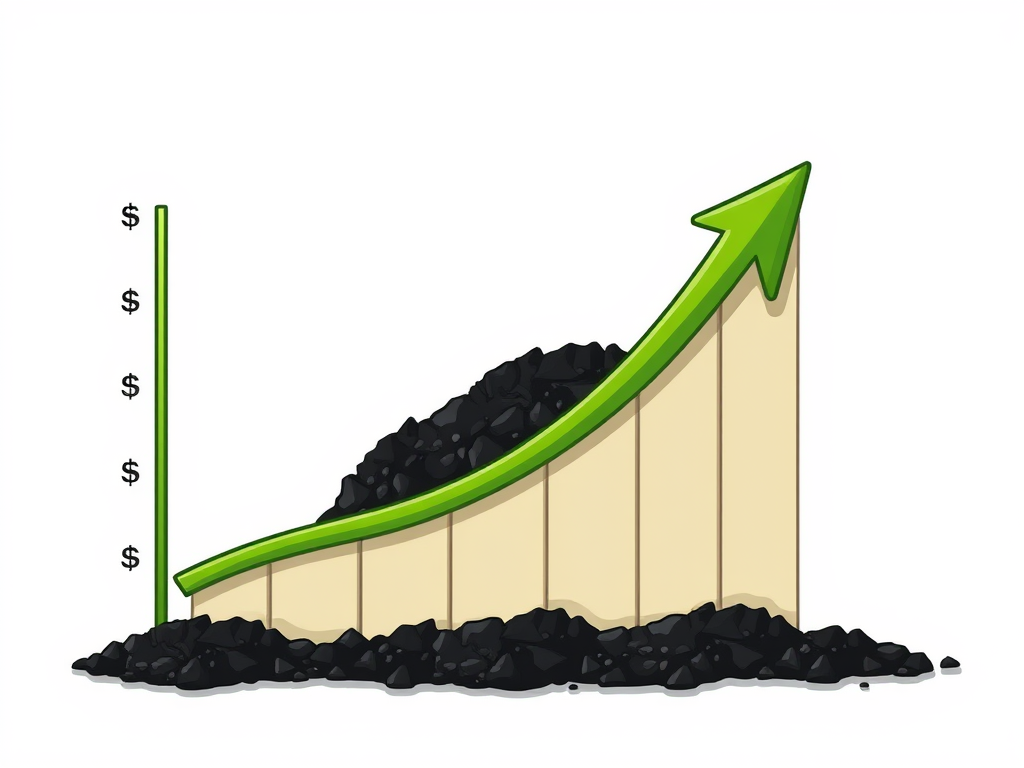
The carbon offsets market, which has faced a period of stagnation since 2021, is showing strong signs of revival. According to a new report from GlobalData, this resurgence is being driven by a decisive shift from low-quality, often discredited, carbon offsetting projects towards more robust, “removal-based” solutions. This trend holds significant implications for the biocharBiochar is a carbon-rich material created from biomass decomposition in low-oxygen conditions. It has important applications in environmental remediation, soil improvement, agriculture, carbon sequestration, energy storage, and sustainable materials, promoting efficiency and reducing waste in various contexts while addressing climate change challenges. More sector, which is increasingly recognized as a key player in the high-quality carbon removal space.
Historically, the market has been plagued by concerns over the integrity and real-world impact of certain projects. However, a growing commitment from governments and major corporations to achieve net-zero emissions is pushing a demand for offsets that are durable, verifiable, and permanent. The report notes that 47 of the top 100 global companies are already purchasing offsets, with tech giants like Microsoft and Google leading the charge in meeting their ambitious 2030 sustainability goals.
The article highlights that to mitigate the reputational and legal risks associated with low-quality credits, companies are specifically seeking out advanced carbon removal technologies. Biochar is named alongside direct air capture (DAC) and enhanced rock weathering (ERW) as a preferred solution. This places biochar in a premium category of carbon removal technologies that can provide the long-term, verifiable carbon sequestration that the market is now demanding.
While the high costs of these advanced technologies present a challenge to scalability, the increasing demand for quality is creating a new premium segment within the market. For biochar producers, this signifies a strong, growing market for their credits and a clear path forward for attracting investment and securing long-term buyers. Once a carbon sequestration potential figure is verified, biochar-based carbon removals are somewhat simple. The weight in char is multiplied by its feedstockFeedstock refers to the raw organic material used to produce biochar. This can include a wide range of materials, such as wood chips, agricultural residues, and animal manure. More (and potentially thermo-conversion speed) specific coefficient, which can then be converted to CO2 values by an agreed ratio.
Ultimately, the future of the carbon offsets market appears to be in solutions that offer genuine, lasting carbon removal, and biochar is well-positioned to be a cornerstone of this new, quality-driven era.



Leave a Reply