
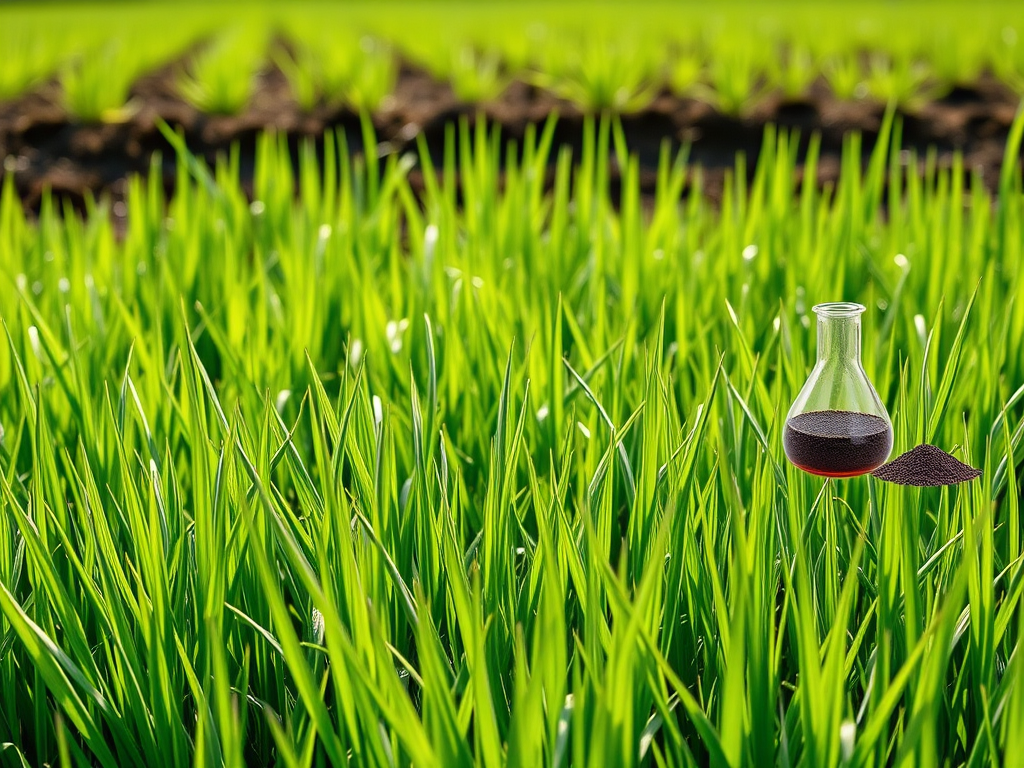
In a study published in Acta Agriculturae Scandinavica, Section B—Soil & Plant Science, researchers Pavel Covali, Henn Raave, Jordi Escuer-Gatius, Tõnu Tõnutare, and Alar Astover investigated how low-temperature hay biocharBiochar is a carbon-rich material created from biomass decomposition in low-oxygen conditions. It has important applications in environmental remediation, soil improvement, agriculture, carbon sequestration, energy storage, and sustainable materials, promoting efficiency and reducing waste in various contexts while addressing climate change challenges. More can improve the fertilizing power of slurry digestate (SD). SD is a common organic fertilizer, but its value is often diminished by the loss of nitrogen and carbon through gas emissions during storage and application. While acidification with sulfuric acid has been a traditional method to reduce these emissions, it has drawbacks, such as lowering soil pHpH is a measure of how acidic or alkaline a substance is. A pH of 7 is neutral, while lower pH values indicate acidity and higher values indicate alkalinity. Biochars are normally alkaline and can influence soil pH, often increasing it, which can be beneficial More and increasing sulfur concentration, which can be detrimental to acidic soils. The researchers compared the effects of different amendments—untreated biochar, phosphoric acid-acidified biochar, sulfuric acid-acidified biochar, and pure sulfuric acid—on perennial ryegrass grown in pots.
The study found that amending SD with untreated biochar (BCUT) was as effective as using pure sulfuric acid in improving the fertilizing value of the SD. Compared to the control, all SD treatments nearly doubled the nitrogen input to the soil. However, the DMY was only significantly higher in the SD amended with untreated biochar and in the SD treated with sulfuric acid. The most notable finding was the impact on nitrogen and carbon balances in the soil. The researchers concluded that both the untreated biochar and sulfuric acid amendments were effective in minimizing nitrogen loss from the soil, showing a three-to-four-times lower N deficit compared to the untreated SD. At the end of the second growth period, the SD + BCUT and SD + H2SO4 treatments had significantly lower nitrogen loss values than all other treatments. The SD + BCUT treatment had a positive carbon balance in the soil, meaning it increased the total carbon content, whereas other treatments generally showed a negative carbon balance, indicating a net loss. This result suggests that untreated biochar not only helps retain nitrogen but also contributes to long-term carbon sequestration in the soil.
Contrary to the initial hypothesis, acidifying the biochar did not improve its performance. The treatments using acidified biochar resulted in slightly lower dry matter yield and nitrogen uptake, and higher nitrogen and carbon losses compared to the untreated biochar amendment. This suggests that the acidification process, particularly with phosphoric acid, may have made the biochar more susceptible to microbial degradation, leading to greater carbon and nitrogen losses over time. However, the phosphoric acid-acidified biochar did lead to a higher, though not statistically significant, uptake of phosphorus by the plants, possibly due to residual phosphorus from the acidification process.
This study is groundbreaking as it is one of the first to directly compare the effects of pure acid and biochar on the fertilizing value of cattle SD. The results demonstrate that untreated biochar can serve as a superior alternative to sulfuric acid. It offers comparable benefits in enhancing nutrient availability and minimizing nitrogen loss, while also providing the added advantage of increasing soil carbon input and reducing carbon loss. This research provides valuable insights for farmers and policymakers seeking sustainable agricultural practices that improve crop productivity and mitigate climate change.
Source: Covali, P., Raave, H., Escuer-Gatius, J., Tõnutare, T., & Astover, A. (2025). Low-temperature hay biochar and acid treatment increases fertiliser value of slurry digestate. Acta Agriculturae Scandinavica, Section B—Soil & Plant Science, 75(1), 2538465.



Leave a Reply