

Key Takeaways
- Rural communities in Kenya can use leftovers from home cooking and local tree seeds to clean their household wastewater for gardening.
- Using specialized cookstoves to create biocharBiochar is a carbon-rich material created from biomass decomposition in low-oxygen conditions. It has important applications in environmental remediation, soil improvement, agriculture, carbon sequestration, energy storage, and sustainable materials, promoting efficiency and reducing waste in various contexts while addressing climate change challenges. More provides a cleaner way to prepare food while also capturing carbon to help the environment.
- Recycling household water reduces the time women and children spend fetching water from distant sources and improves overall home hygiene.
- This natural treatment system creates a circular economy where agricultural waste is turned into a valuable tool for growing more food.
- Proper disposal of the used filter material is essential to prevent concentrated pollutants from returning to the soil or local water supplies.
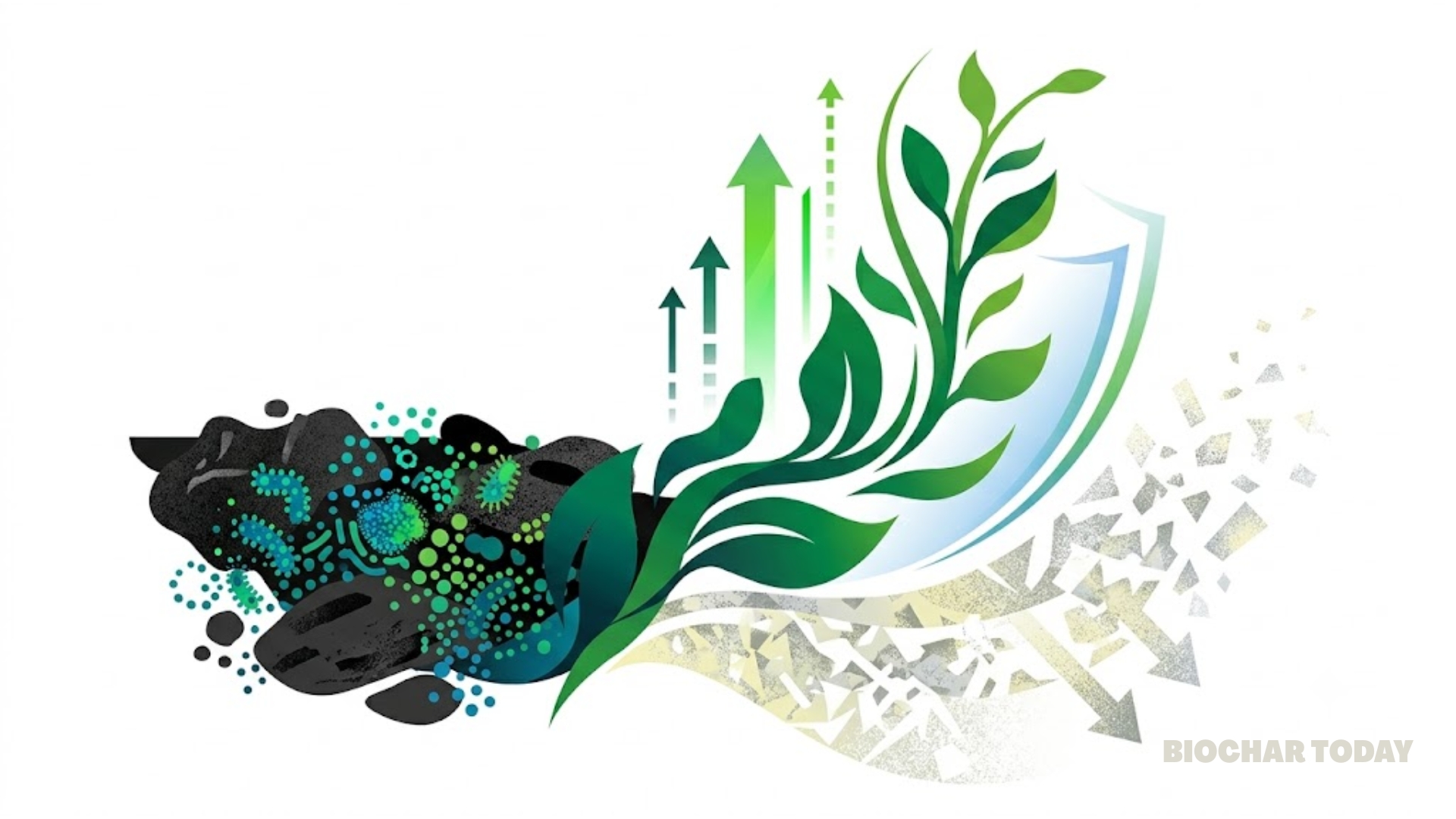
The recent study published in the Journal of Cleaner Production by Cecilia Sundberg and a team of researchers from Sweden and Kenya investigates an innovative approach to managing household wastewater in rural areas. Access to safe water remains a major hurdle for many in the Global South, but this research highlights how nature-based solutions can bridge the gap. By combining biochar with extracts from the Moringa oleifera tree, households can effectively filter water from laundry and kitchens. This treated water is then safe for use in irrigating home gardens or for general cleaning, creating a sustainable loop that preserves precious freshwater for drinking and cooking.
The findings demonstrate significant potential for environmental and health improvements. One of the primary benefits is the reduction of harmful smoke in the home, as the gasificationGasification is a high-temperature, thermochemical process that converts carbon-based materials into a gaseous fuel called syngas and solid by-products. It takes place in an oxygen-deficient environment at temperatures typically above 750°C. Unlike combustion, which fully burns material to produce heat and carbon dioxide (CO2), gasification More cookstoves used to produce the biochar are much cleaner than traditional open fires. Furthermore, the biochar itself acts as a permanent storage for carbon. If the used filters are buried in the soil, they can lock away carbon for long periods, directly contributing to climate change mitigation. This dual-purpose use of agricultural by-products represents a core principle of the circular bioeconomy, where nothing is wasted and every residue is viewed as a resource for another process.
However, the assessment also identifies important risks that must be managed to ensure long-term success. Because the filters concentrate pollutants like detergents and pathogens, their final disposal is a critical concern. If these spent filters are not handled correctly, they could potentially leak contaminants back into the environment. The researchers suggest that mixing the spent material into pit latrines or using it in brick-making could safely immobilize these pollutants. There is also a trade-off regarding the use of moringa seed cake, which is traditionally used as high-quality animal feed. Balancing the need for water treatment with the needs of livestock is a key factor for local adoption.
From a social perspective, the study highlights how these technologies can empower local communities. Because the system relies on materials that are grown or produced on-site, it avoids the high costs and complex maintenance associated with centralized water infrastructure. Reducing the need to fetch water also lifts a significant burden from women and children, who often travel long distances to collect water for their families. By providing a low-cost, decentralized method for recycling water, the system supports both public health and economic resilience. The researchers emphasize that for these systems to be successful, they must be co-developed with the people who will use them, ensuring that the technology fits within their cultural practices and daily routines.
Ultimately, the results of this early-stage assessment provide a clear roadmap for future development. While the initial tests are promising, the next steps involve moving toward larger pilot trials to gather more precise data on how these filters perform over several months of constant use. Quantifying exactly how much water can be saved and how much carbon can be stored will be essential for scaling the project. This integrated approach to water, energy, and agriculture offers a practical way to meet international sustainability goals while addressing the immediate, everyday needs of rural households in Kenya and beyond.
Source: Sundberg, C., Tibbetts, H., Zakrisson, L., Njenga, M., Ndinda, C., & Hetman, I. (2026). Early-stage sustainability assessment of greywater treatment with Moringa oleifera seed extract and biochar. Journal of Cleaner Production, 538, 147349.



Leave a Reply