
Key Takeaways
- Utilizing the Balanites aegyptiaca tree to create eco-friendly water filters offers a sustainable method for removing hazardous organic pollutants from industrial wastewater.
- BiocharBiochar is a carbon-rich material created from biomass decomposition in low-oxygen conditions. It has important applications in environmental remediation, soil improvement, agriculture, carbon sequestration, energy storage, and sustainable materials, promoting efficiency and reducing waste in various contexts while addressing climate change challenges. More composites decorated with strontium oxide nanoparticles proved more effective than raw biomassBiomass is a complex biological organic or non-organic solid product derived from living or recently living organism and available naturally. Various types of wastes such as animal manure, waste paper, sludge and many industrial wastes are also treated as biomass because like natural biomass these More, reaching a high adsorption capacity for toxic nitrophenols.
- The production process relies on green nanotechnology, using natural plant extracts as safe alternatives to hazardous chemical reducing agents.
- These innovative adsorbents are highly stable and reusable, maintaining over 80% of their cleaning efficiency even after five successive treatment cycles.
- This sustainable approach not only cleans water effectively but also repurposes agricultural waste, supporting a circular economy and reducing environmental footprints
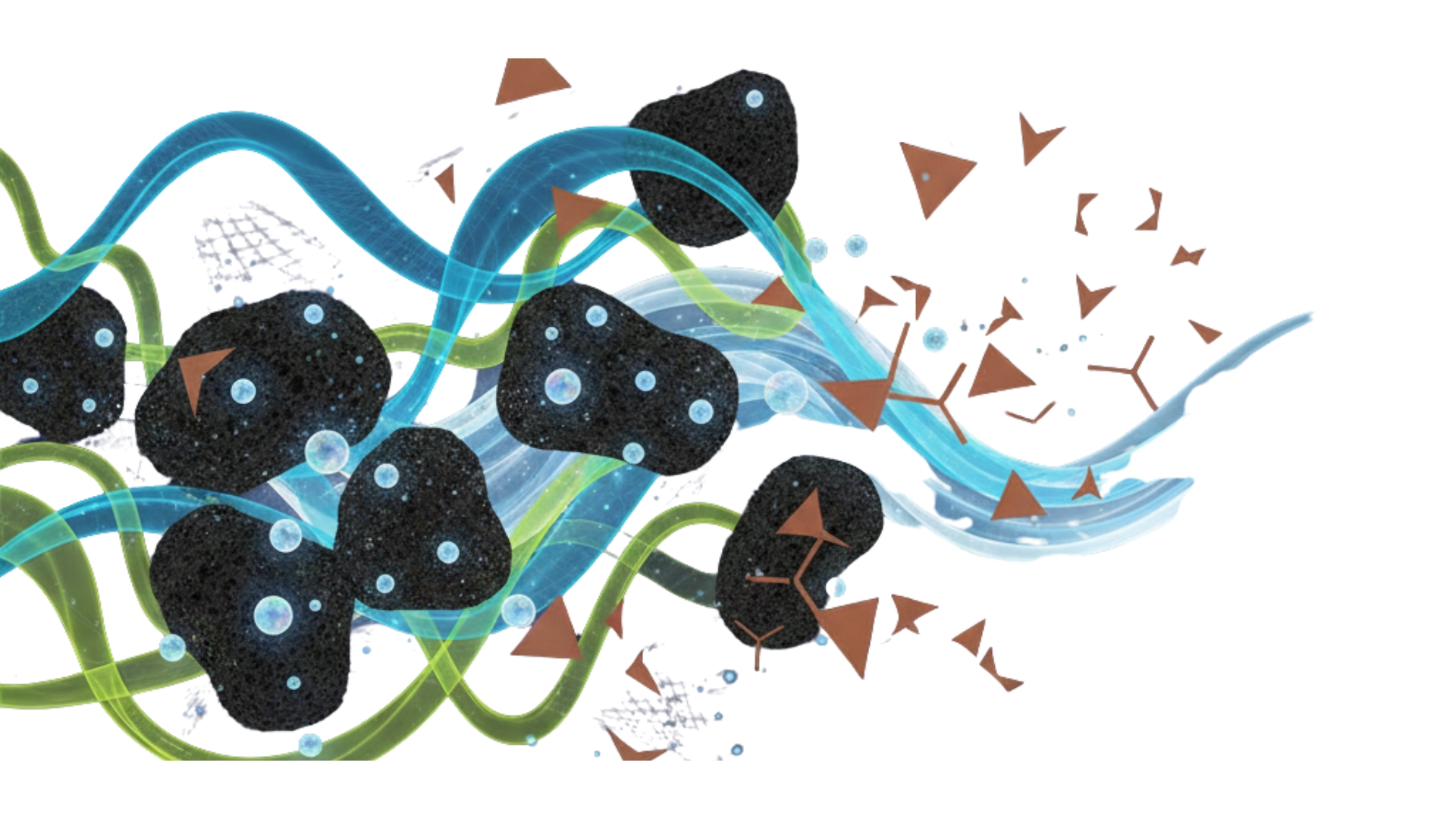
A groundbreaking study published in Scientific Reports by Fawzy et al. details a sustainable route for synthesizing eco-friendly adsorbents derived from the Balanites aegyptiaca plant (commonly known as Laloub) to remove ortho-nitrophenol (o-NP) from contaminated water. Nitrophenols are dangerous organic contaminants noted for their high toxicity, persistence, and tendency to bioaccumulate in aquatic life and humans. By integrating green nanotechnology with agricultural waste valorization, the researchers developed strontium oxide-decorated biochar (SrO-BC) and biomass (SrO-BM) composites that provide an efficient, cost-effective alternative to traditional, environmentally taxing wastewater treatment methods.
The fabrication process represents a significant shift toward green chemistry. The researchers utilized Balanites aegyptiaca leaf extract as a natural reducing and capping agent for the green synthesis of SrO nanoparticles, eliminating the need for toxic chemicals. Simultaneously, branches of the tree were used to prepare raw biomass and were pyrolyzed to create biochar. While the strontium oxide nanoparticles were uniformly distributed over both surfaces, the study specifically evaluated whether the energy spent converting biomass into biochar resulted in superior performance.
The quantitative findings confirmed that SrO-BC is the superior adsorbent. Experimental results showed that SrO-BC achieved a maximum adsorption capacity of 335.57 mg/g for o-NP, significantly outperforming the 234.74 mg/g capacity of the SrO-BM composite. These results were obtained under optimized conditions. Further testing on genuine wastewater from a paint industry effluent corroborated these findings, with the biochar composite achieving an 88.5% removal efficiency compared to 81.9% for the biomass version.
The mechanism governing this removal involves a complex interplay of physical and chemical forces. Thermodynamic analysis indicated that the process is spontaneous and endothermic, characterized by physical interactions such as hydrogen bonding, π−π stacking, and electron donor-acceptor pathways. Shifting in the peaks of XPS and FTIR spectra before and after adsorption confirmed the active participation of functional oxygenated groups and benzene rings in binding the nitrophenol molecules.
Durability and economic feasibility are critical for industrial application. Reusability tests demonstrated that both composites are highly stable, retaining more than 80% of their removal efficiency after five cycles. The biochar composite remained particularly robust, with its efficiency staying above 70% throughout the trials. A cost analysis further suggested that these plant-derived composites are cost-effective at a lab scale and highly competitive with more expensive, synthetic chemical adsorbents. By transforming the “desert date” into a high-performance water treatment tool, this research offers a reusable and green pathway for sustainable industrial wastewater management.
Source: Fawzy, M., Alzain, R., Eltaweil, A. S., & Abd El-Monaem, E. M. (2025). Engineering of Balanites aegyptiaca-derived SrO@biochar and SrO@biomass for nitrophenol removal from wastewater. Scientific Reports, 15(43869).



Leave a Reply