

Google has entered its largest biocharBiochar is a carbon-rich material created from biomass decomposition in low-oxygen conditions. It has important applications in environmental remediation, soil improvement, agriculture, carbon sequestration, energy storage, and sustainable materials, promoting efficiency and reducing waste in various contexts while addressing climate change challenges. More carbon removal agreement, partnering with Indian startup Varaha to purchase 100,000 tons of carbon dioxide removal credits by 2030. This is Google’s first collaboration with a carbon project in India and marks the largest biochar-based deal to date.
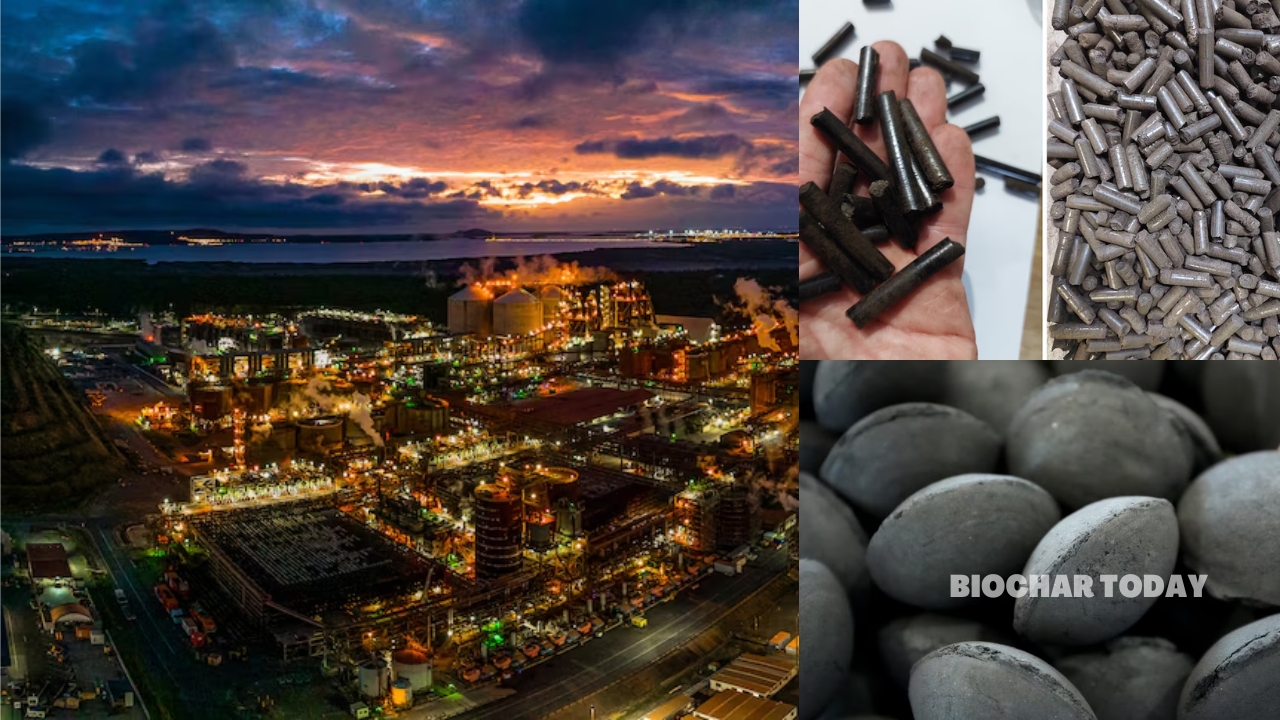
Varaha, based in New Delhi, produces biochar—a form of carbon-rich charcoalCharcoal is a black, brittle, and porous material produced by heating wood or other organic substances in a low-oxygen environment. It is primarily used as a fuel source for cooking and heating. More used for soil enhancement and carbon sequestration—using an industrial process in Gujarat. The project sources biomassBiomass is a complex biological organic or non-organic solid product derived from living or recently living organism and available naturally. Various types of wastes such as animal manure, waste paper, sludge and many industrial wastes are also treated as biomass because like natural biomass these More from Prosopis Juliflora, an invasive plant that disrupts local ecosystems, converting it into biochar through pyrolysisPyrolysis is a thermochemical process that converts waste biomass into bio-char, bio-oil, and pyro-gas. It offers significant advantages in waste valorization, turning low-value materials into economically valuable resources. Its versatility allows for tailored products based on operational conditions, presenting itself as a cost-effective and efficient More. The startup plans to restore native grasslands affected by the plant’s spread.
Biochar’s effectiveness as a carbon removal solution depends on its permanence, which can range from 1,000 to 2,500 years. Varaha’s reactors optimize biochar production to ensure durability, with each ton generating 2.5 carbon credits. By 2030, the company aims to produce 100,000 tons of biochar and generate 1 million carbon credits annually.
Google’s emissions in 2023 reached 14.3 million tons of CO₂ equivalent, highlighting the need for significant offsets. Though this deal represents a small fraction of Google’s emissions, it aligns with its goal of achieving net-zero emissions by 2030.
Varaha also supports over 100,000 small farmers across South Asia and East Africa through its sustainable practices, removing over 2 million tons of greenhouse gases. Backed by prominent investors, the startup is pioneering tech-driven carbon solutions in the region.
This deal underscores biochar’s potential for scalable carbon removal and environmental restoration.
LEARN MORE: Google strikes world’s largest biochar carbon removal deal with Indian startup Varaha



Leave a Reply