
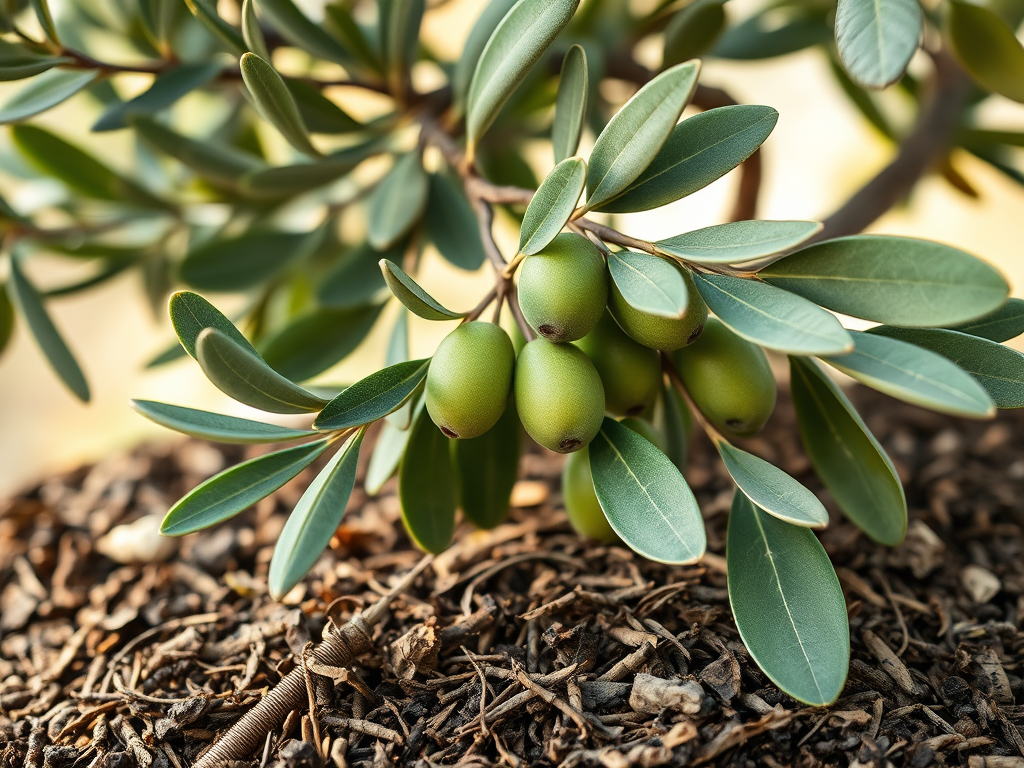
The agricultural sector, a cornerstone of global food security, faces increasing pressure to manage the vast quantities of waste it generates. This waste, ranging from fruit peels to pruning residues, often goes underutilized, leading to environmental concerns and missed economic opportunities. However, recent research is transforming this challenge into an opportunity by converting agricultural by-products into valuable resources. A doctoral thesis by Melissa Prelac, from the University of Zagreb’s Faculty of Food Technology and Biotechnology, highlights the potential of biocharBiochar is a carbon-rich material created from biomass decomposition in low-oxygen conditions. It has important applications in environmental remediation, soil improvement, agriculture, carbon sequestration, energy storage, and sustainable materials, promoting efficiency and reducing waste in various contexts while addressing climate change challenges. More (BC) derived from grapevine pruning residues (GPR) as an effective adsorbent for recovering high-value polyphenolic compounds from other agro-food wastes like onion peels (OP) and olive leaves (OL).
The study focuses on polyphenols, a group of naturally occurring compounds in plants known for their significant antioxidant, anti inflammatory, and antimicrobial properties. These bioactive compounds hold immense potential for applications in the food, pharmaceutical, and cosmetic industries. Traditionally, extracting these compounds often involves toxic solvents and energy-intensive methods. Prelac’s research, however, champions a “green chemistry” approach, employing environmentally friendly water-based extraction techniques such as maceration (MAC), ultrasound-assisted extraction (UAE), and microwave-assisted extraction (MAE).
To produce the adsorbent, grapevine pruning residues—a significant waste product from viticulture—were transformed into biochar through slow pyrolysisPyrolysis is a thermochemical process that converts waste biomass into bio-char, bio-oil, and pyro-gas. It offers significant advantages in waste valorization, turning low-value materials into economically valuable resources. Its versatility allows for tailored products based on operational conditions, presenting itself as a cost-effective and efficient More in a Kon-Tiki flame curtain kiln at approximately 400∘C. This process yields a carbon-rich, porous material with physicochemical properties favorable for adsorption, including an alkaline pHpH is a measure of how acidic or alkaline a substance is. A pH of 7 is neutral, while lower pH values indicate acidity and higher values indicate alkalinity. Biochars are normally alkaline and can influence soil pH, often increasing it, which can be beneficial More, high carbon content, and well-developed macroporous structures. The biochar from GPR exhibited a large pore size ranging from 11.74 to 16.40 µm, which is beneficial for adsorption and nutrient recovery. The green extraction methods were optimized to maximize polyphenol yield and antioxidant activity. Among the various conditions tested, UAE at 90∘C with a solid-to-liquid ratio of 1:100 g/mL proved most effective for both onion peel and olive leaf extracts, resulting in higher yields of polyphenolic compounds. Specifically, for olive leaf extracts, MAC and UAE at temperatures between 60 and 90∘C and s/l ratios of 1:250 to 1:500 g/mL yielded the highest amounts of polyphenols, particularly oleuropein. For onion peel extracts, protocatechuic acid and quercetin-3,4′-diglucoside were maximally extracted at temperatures ≥75∘C.
A key aspect of this research involved evaluating the biochar’s adsorption capacity for these extracted polyphenols. The adsorption potential was modeled using Langmuir and Freundlich isotherms, with both models demonstrating a good fit for the experimental data (R-squared values generally above 0.90). Oleuropein and quercetin-3,4′-diglucoside showed the highest adsorption among all investigated compounds. In adsorption dynamics experiments, biochar adsorbed the greatest amount of caffeic acid (5.73 mg CA/g of BC), followed by gallic acid (3.90 mg GA/g of BC) and oleuropein (3.17 mg OLP/g of BC) over a 24-hour contact period. Despite being the lowest adsorbed among the tested standards, oleuropein achieved the highest recovery rate of 91.4% through online solid-phase extraction (SPE), followed by gallic acid (61.8%) and caffeic acid (41.5%). This suggests that biochar has a higher affinity for adsorbing low-polar compounds but allows for better recovery of more polar ones.
The study also investigated the influence of biochar dosage on adsorption efficiency. The optimal dosage for most compounds was found to be 0.5 g BC/L, with higher dosages sometimes leading to reduced efficiency due to particle aggregation and limited available surface area. However, for oleuropein and hydroxytyrosol in olive leaves, the highest biochar dosage (2.5 g) yielded superior performance, with oleuropein’s adsorbed amount nearly tripling. Overall, this research successfully demonstrates an integrated, sustainable approach to valorizing agricultural waste. By transforming grapevine pruning residues into biochar for the adsorption and recovery of high-value phytochemicals from onion peels and olive leaves, the study supports circular economy principles and offers a non-toxic solution for various industries, including food, pharmaceutical, and environmental sectors like wastewater treatment. This innovative pathway reduces environmental impact and promotes resource efficiency, paving the way for a more sustainable future in agro-industrial production.
Source: Prelac, M. (2025). The adsorption of phytochemicals from onion peel and olive leaf aqueous extracts onto biochar from grapevine pruning residues. University of Zagreb, Faculty of Food Technology and Biotechnology.





Leave a Reply