
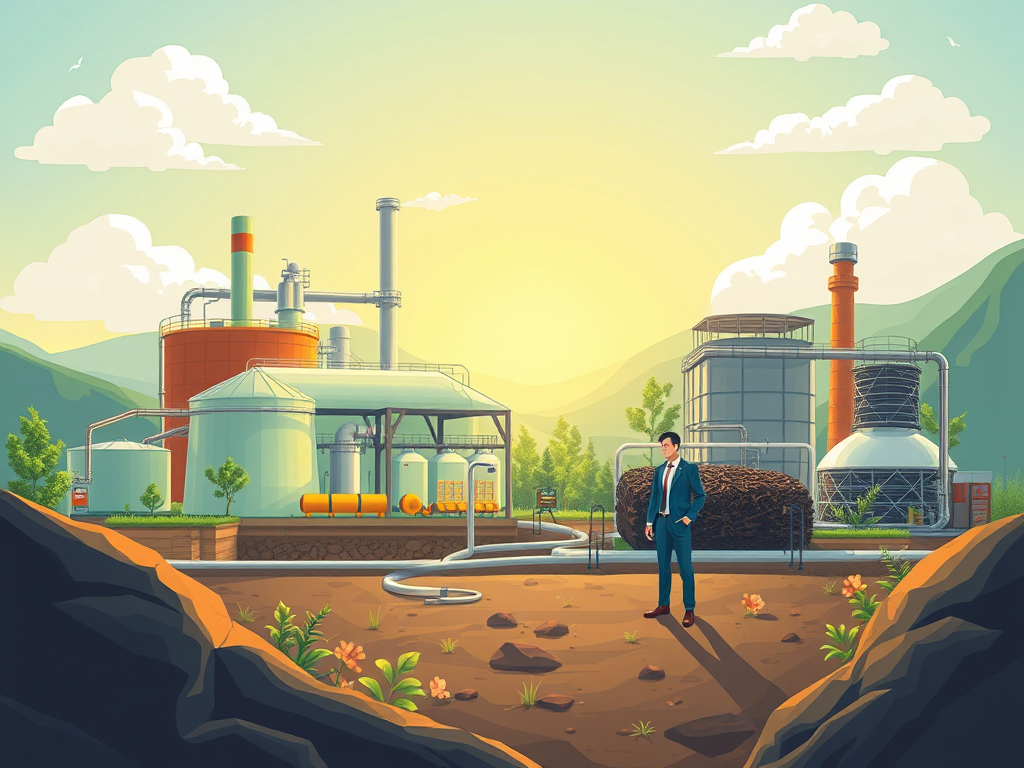
Fortis Energy, a prominent player in the renewable energy sector, has announced a strategic expansion of its portfolio with the acquisition of the Çobanlar Biogas Power Plant in Afyon, Türkiye. This move not only solidifies Fortis’s presence in the region but also highlights a growing trend in the bioenergy landscape that has significant, adjacent implications for the biocharBiochar is a carbon-rich material created from biomass decomposition in low-oxygen conditions. It has important applications in environmental remediation, soil improvement, agriculture, carbon sequestration, energy storage, and sustainable materials, promoting efficiency and reducing waste in various contexts while addressing climate change challenges. More industry.
The newly acquired facility, which has been operational since 2021, boasts a robust capacity of 3.55 MWe. Utilizing anaerobic digestion, the plant processes a substantial 100,000 tonnes of agricultural and animal waste annually, generating over 26 GWh of renewable electricity. This impressive output contributes to the nation’s sustainable energy goals and provides a crucial solution for waste management. Crucially, the process also yields an organic fertiliser as a by-product, which is used to enhance soil health and reduce dependency on synthetic chemicals.
While the primary focus of this announcement is on electricity generation and waste-to-fertiliser conversion, the story holds a compelling subplot for the biochar sector. The organic digestate produced by the anaerobic digestion process represents a highly valuable and sustainable feedstockFeedstock refers to the raw organic material used to produce biochar. This can include a wide range of materials, such as wood chips, agricultural residues, and animal manure. More. Instead of being solely applied as a fertiliser, this digestate can be further processed through pyrolysisPyrolysis is a thermochemical process that converts waste biomass into bio-char, bio-oil, and pyro-gas. It offers significant advantages in waste valorization, turning low-value materials into economically valuable resources. Its versatility allows for tailored products based on operational conditions, presenting itself as a cost-effective and efficient More to create high-quality biochar. This method creates a potent and carbon-sequestering soil amendmentA soil amendment is any material added to the soil to enhance its physical or chemical properties, improving its suitability for plant growth. Biochar is considered a soil amendment as it can improve soil structure, water retention, nutrient availability, and microbial activity. More, effectively turning a single-purpose waste stream into a dual-purpose resource.
By bridging the gap between biogas production and biochar manufacturing, companies like Fortis Energy can pioneer a more integrated and circular bioeconomy. This new expansion in Türkiye could serve as a powerful case study, demonstrating how the outputs from one green technology can serve as the inputs for another, opening up new pathways for growth and innovation within the biochar industry. This synergy could lead to new collaborations and investment, strengthening the entire bio-based economy.
PRESS RELEASE: Fortis Energy expands portfolio with Türkiye biogas plant



Leave a Reply