
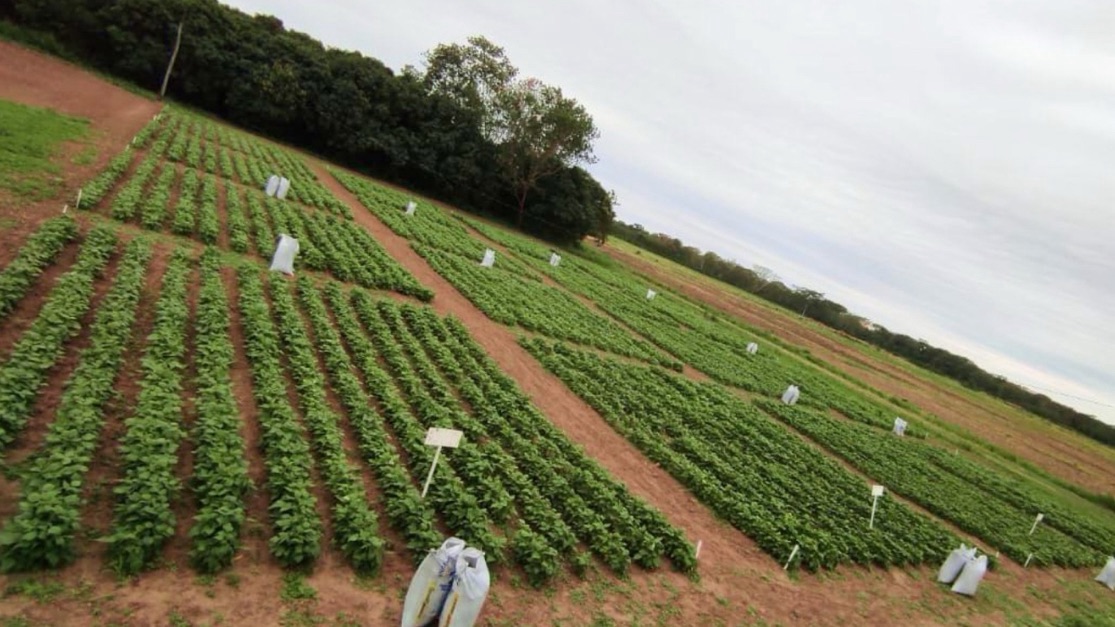
A recent field study by Exomad Green in Bolivia explored how biocharBiochar is a carbon-rich material created from biomass decomposition in low-oxygen conditions. It has important applications in environmental remediation, soil improvement, agriculture, carbon sequestration, energy storage, and sustainable materials, promoting efficiency and reducing waste in various contexts while addressing climate change challenges. More affects crop yields. The research, a collaboration with CIAT (Centro de Investigación Agrícola Tropical), looked at corn and beans grown in controlled plots across three different regions of Santa Cruz: Cañada Larga, Saavedra, and Mairana.
The study’s goal was to measure the impact of different soil treatments on crop growth and overall yield.Study MethodsThe study used four different soil treatments:
- A control group with no treatment (T1).
- A group with only biochar applied (T2).
- A group with biochar plus NPKS fertilizers (T3).
- A group with biochar, NPKS fertilizers, and microorganisms (T4).
A single dose of biochar was applied at a rate of 4 tons per hectare before the bean planting cycle began. After the beans were harvested, corn was planted in the same plots without any new biochar being added.

The results showed a significant increase in yield for both crops in the plots treated with biochar.
For the bean crop, the most significant improvement was seen in the T4 group, which had a 25.47% increase in yield compared to the control group. The T2 and T3 groups also showed notable increases of 12.94% and 19.90%, respectively.
The corn crop also saw substantial gains. The T4 treatment again produced the best results, with a 32.02% increase in yield over the control plots. The T2 and T3 plots had yield increases of 14.65% and 15.12%, respectively. These positive results for corn were achieved even during a severe drought, highlighting biochar’s ability to improve soil resilience.

This year-long study suggests that using biochar can lead to significant improvements in crop yields when applied to soils without fertilizer. As with many Biochar studies, however, this did not evaluate the effect of Biochar compared to using fertilizer alone, which is presumably a more realistic control scenario.
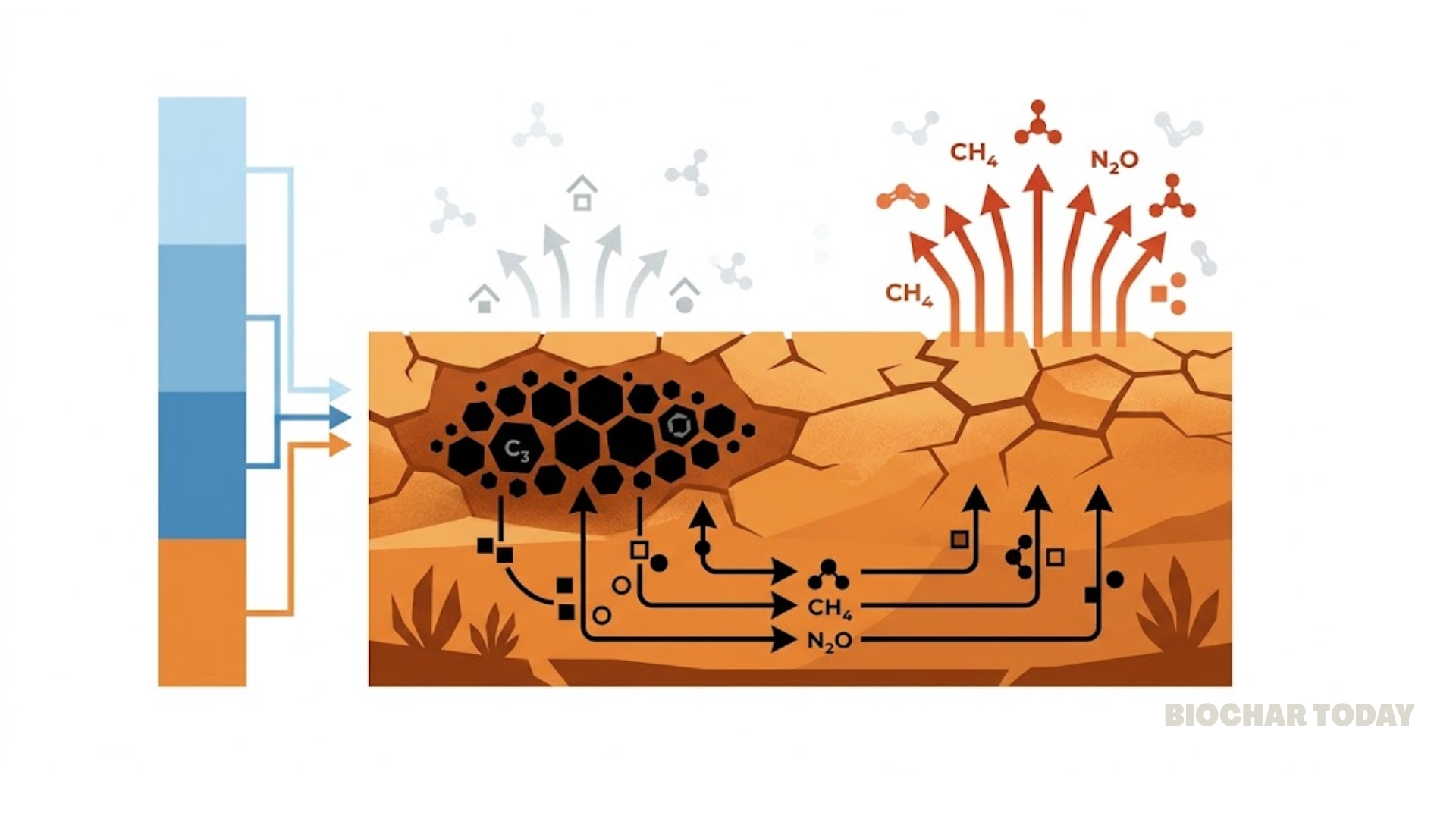
The application of biochar was found to improve soil health by increasing nutrient availability, enhancing soil porosityPorosity of biochar is a key factor in its effectiveness as a soil amendment and its ability to retain water and nutrients. Biochar’s porosity is influenced by feedstock type and pyrolysis temperature, and it plays a crucial role in microbial activity and overall soil health. Biochar More, and helping to retain moisture. These factors not only contributed to better crop development but also led to more efficient use of fertilizers. The study demonstrates biochar’s value as an effective organic amendment in regenerative agriculture practices.




Leave a Reply