
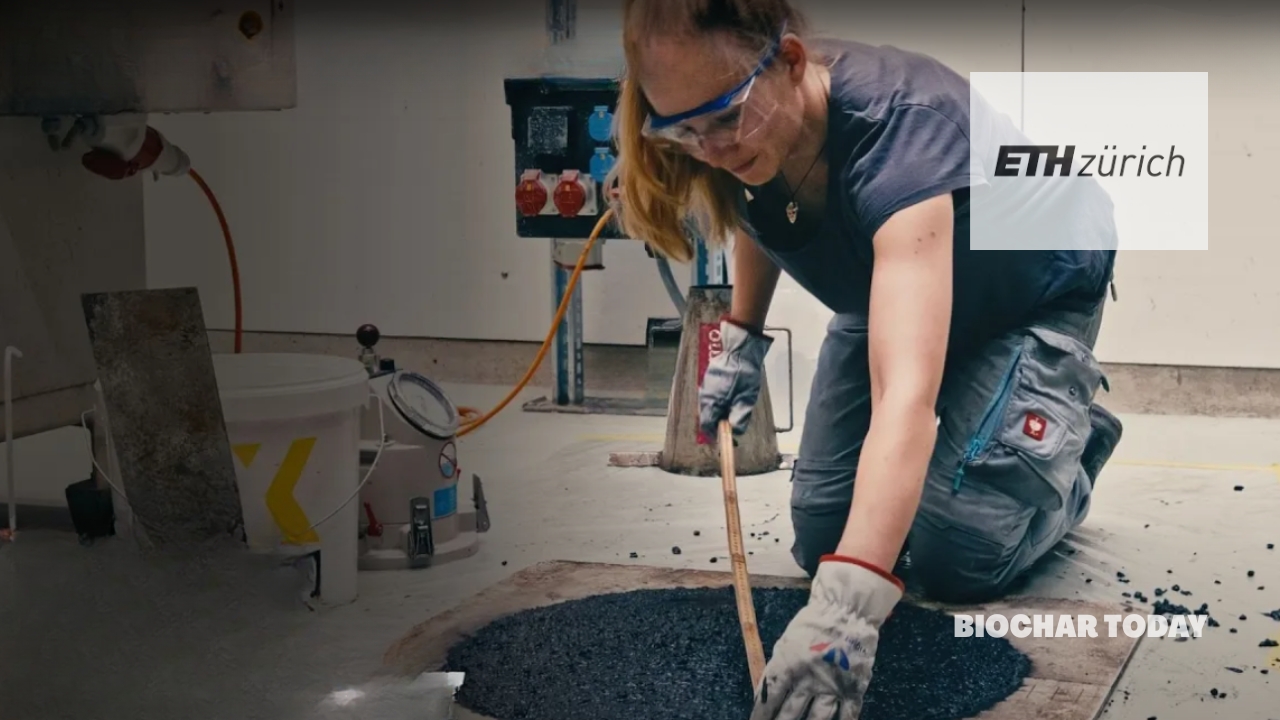
Researchers at ETH Zurich in Switzerland are pioneering the integration of biogenic waste products into the construction sector to address the high carbon footprint of traditional building materials. By converting agricultural residues and organic by-products into reactive ashes or biocharBiochar is a carbon-rich material created from biomass decomposition in low-oxygen conditions. It has important applications in environmental remediation, soil improvement, agriculture, carbon sequestration, energy storage, and sustainable materials, promoting efficiency and reducing waste in various contexts while addressing climate change challenges. More, the team has identified a viable pathway to replace a portion of Portland cement in concrete mixtures. This analytical focus on biogenic materials aims to leverage existing waste streams to create a more sustainable, circular economy within the global infrastructure industry.
The primary challenge addressed by this research is the substantial carbon dioxide emission profile inherent in clinker production, which is the foundational component of conventional cement. The cement industry remains one of the most difficult sectors to decarbonize due to the chemical processes required to manufacture Portland cement. Furthermore, the construction industry requires materials that do not sacrifice structural integrity or long-term durability for environmental benefits, necessitating a rigorous scientific understanding of how alternative additives interact within the cementitious matrix.
The solution developed by the ETH Zurich team involves the thermal conversion of biogenic waste into specialized ashes and biochar that exhibit pozzolanic reactivity. These materials are engineered to function as supplementary cementitious materials (SCMs), which are blended into the concrete to reduce the volume of clinker required. The researchers are specifically investigating the chemical and microstructural mechanisms of these biogenic additives to ensure they optimize the hydration process. This methodical approach ensures that the resulting concrete maintains the necessary mechanical properties while incorporating carbon-sequestering elements directly into the building material.
The outcomes of this research demonstrate that biogenic ashes can significantly lower the net carbon emissions of concrete production. Beyond mere emission reduction, the inclusion of biochar offers a mechanism for long-term carbon sequestration, potentially turning buildings into carbon sinks. Preliminary findings suggest that these formulations are scalable and viable for real-world applications, provided that sustainable sourcing and circular-economy logistics are maintained. This work provides a technical framework for the construction industry to transition toward low-carbon standards without compromising material performance or durability.




Leave a Reply